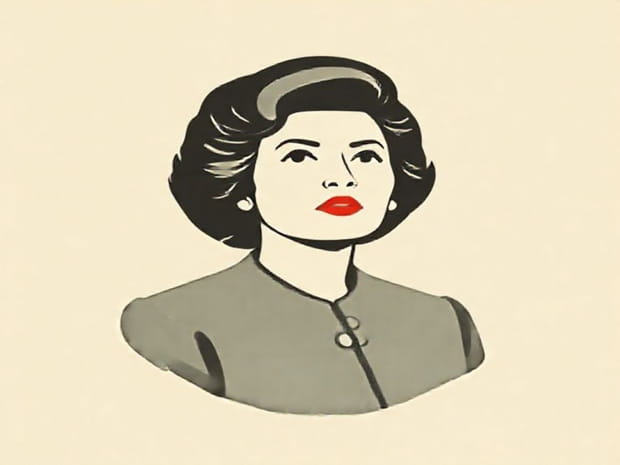
Facts About Valentina Tereshkova
Valentina Tereshkova is one of the most iconic figures in the history of space exploration, renowned for being the first woman to travel into space. Her journey represents not only a remarkable personal achievement but also a significant milestone for women in science and aerospace. Born in a small village in the Soviet Union, Tereshkova’s rise to international recognition was fueled by her dedication, courage, and exceptional skill, inspiring countless people around the world. Understanding the facts about Valentina Tereshkova allows us to appreciate the historical, scientific, and cultural impact of her groundbreaking spaceflight.
Early Life and Background
Valentina Tereshkova was born on March 6, 1937, in the village of Maslennikovo, in the Yaroslavl Region of the Soviet Union. She came from a humble background; her father worked in a textile plant and died during World War II. Tereshkova grew up helping her family while attending school and later worked in a textile factory herself. Despite these challenges, she developed an interest in parachuting and aviation, which would later play a pivotal role in her selection for the Soviet space program.
Introduction to Aviation and Parachuting
Before joining the space program, Tereshkova trained as a parachutist and became an accomplished skydiver. She completed over 100 parachute jumps, which was a critical qualification for early cosmonauts, as many early space missions involved parachute landings. Her training in parachuting demonstrated her physical endurance, bravery, and precision qualities that Soviet space officials valued highly when selecting candidates for space missions.
Selection for the Soviet Space Program
In 1961, following Yuri Gagarin’s historic first human spaceflight, the Soviet Union sought to send a woman into space. Over 400 female candidates applied for the program, but Tereshkova’s combination of technical skills, parachuting experience, and determination made her stand out. She underwent rigorous physical, psychological, and technical training, including zero-gravity simulations, isolation tests, and extensive instruction in spacecraft operations. Her performance throughout the selection process confirmed her suitability for a historic mission.
Vostok 6 Mission
Valentina Tereshkova was launched into space on June 16, 1963, aboard the Vostok 6 spacecraft. She orbited the Earth 48 times over the course of almost three days, traveling at speeds exceeding 27,000 kilometers per hour. During the mission, Tereshkova conducted scientific experiments, observed the Earth from space, and maintained detailed logs of her experience. Her flight made her the first woman to journey into space, a groundbreaking achievement that captured global attention and demonstrated the capabilities of female astronauts.
Challenges During the Mission
Tereshkova faced numerous challenges during her spaceflight. The physical strain of weightlessness, coupled with the confined space of the Vostok 6 capsule, tested her endurance. Communication delays and limited technological support made the mission even more demanding. Despite these obstacles, she successfully completed her mission, returning to Earth safely on June 19, 1963. Her resilience and ability to handle the stress of spaceflight cemented her status as a pioneering figure in astronautics.
Post-Flight Recognition
Upon her return, Valentina Tereshkova received widespread acclaim in the Soviet Union and internationally. She was awarded numerous honors, including the title of Hero of the Soviet Union, the country’s highest distinction. Her achievement also inspired women around the world to pursue careers in science, technology, engineering, and mathematics (STEM). Tereshkova became a symbol of female empowerment, breaking barriers in fields traditionally dominated by men.
Later Career and Contributions
After her historic flight, Tereshkova continued to contribute to the Soviet space program and public life. She held various positions in the government, advocating for space exploration, science education, and women’s participation in technical fields. She also represented the Soviet Union in international forums, sharing her experience and promoting scientific collaboration. Even decades after her flight, Tereshkova remained an influential figure in space research and policy discussions.
Legacy and Influence
Valentina Tereshkova’s legacy extends beyond her historic flight. She inspired generations of female astronauts, including pioneers like Sally Ride, the first American woman in space, and modern cosmonauts and astronauts. Her story demonstrates the importance of perseverance, skill, and courage, serving as a role model for anyone pursuing careers in science and exploration. Museums, documentaries, and educational programs continue to celebrate her achievements, ensuring that her impact on space history remains recognized worldwide.
Interesting Facts About Valentina Tereshkova
- She was only 26 years old when she flew aboard Vostok 6.
- Tereshkova remains the youngest woman ever to have flown in space.
- She was selected from over 400 applicants to become the first female cosmonaut.
- Her call sign during the mission was Chaika, which means Seagull in Russian.
- She orbited Earth 48 times and traveled more than 2 million kilometers during her flight.
- Tereshkova later became a prominent political figure, serving in various governmental roles.
- She received the Hero of the Soviet Union award, the highest honor in the USSR.
- Her flight helped the Soviet Union demonstrate gender equality in space exploration during the Cold War era.
- Valentina has met with several astronauts and cosmonauts throughout the world, fostering international goodwill.
- Her achievements are celebrated annually in Russia and internationally as milestones in space history.
Valentina Tereshkova’s journey from a small Russian village to becoming the first woman in space is a story of courage, determination, and extraordinary talent. Her accomplishments on the Vostok 6 mission not only advanced space exploration but also challenged societal norms, inspiring women across the globe to pursue careers in science and technology. By understanding the facts about Valentina Tereshkova, we gain insight into her enduring impact on space history, gender equality in STEM fields, and the inspiration she continues to provide for future generations. Her legacy reminds us that exploration and discovery are not limited by gender but are driven by passion, skill, and perseverance.
Valentina Tereshkova remains a beacon of inspiration for young scientists, aspiring astronauts, and anyone seeking to achieve greatness against the odds. Her story highlights the transformative power of space exploration and the importance of recognizing the contributions of women who have shaped history in profound ways. Even decades after her mission, her influence resonates in the ongoing quest for knowledge and human advancement beyond our planet.