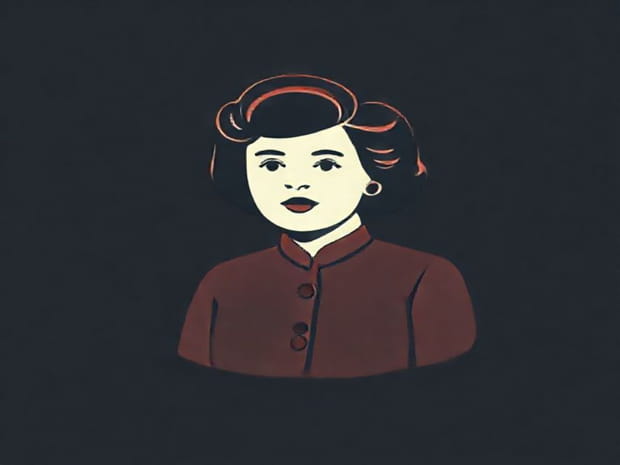
Facts About Valentina Tereshkova For Kids
Valentina Tereshkova is one of the most famous figures in space history, and her story is inspiring for kids and adults alike. She became the first woman to fly into space, paving the way for future generations of female astronauts. Born in 1937 in a small village in Russia, Tereshkova’s journey from a humble background to the heights of space exploration shows the power of determination, courage, and education. Her mission was not only a historic achievement for the Soviet space program but also a symbol of possibility and inspiration for children who dream of exploring science, technology, engineering, and space. Learning about her life provides many interesting facts that are fun and educational for young minds.
Early Life of Valentina Tereshkova
Valentina Tereshkova was born on March 6, 1937, in the village of Maslennikovo, Russia. She grew up in a modest family and helped her parents with farming work. Despite having a simple upbringing, she was very curious and interested in learning new things. As a child, she enjoyed reading, sports, and mechanical activities. These early experiences helped shape her determination and curiosity, qualities that would later make her an excellent candidate for space travel. Tereshkova also worked in a textile factory before joining the Soviet Air Force as a parachutist, which provided her with the necessary physical training for space missions.
Becoming a Cosmonaut
In the 1960s, the Soviet Union was competing with the United States in the Space Race, and they were looking for brave individuals to become cosmonauts. Valentina Tereshkova volunteered and was selected from thousands of applicants. She trained rigorously, learning about spacecraft systems, parachuting, and survival skills. Her training was tough and required both mental and physical strength. Kids can find it inspiring to know that even ordinary people can achieve extraordinary things through hard work, persistence, and courage.
Historic Space Mission
Valentina Tereshkova made history on June 16, 1963, when she launched into space aboard the Vostok 6 spacecraft. She orbited the Earth 48 times during her mission, which lasted almost three days. Her flight was a major achievement because it demonstrated that women could handle the physical and mental challenges of space travel just as well as men. Tereshkova conducted experiments, monitored spacecraft systems, and communicated with ground control. Her calmness and intelligence during the mission proved her skills as a cosmonaut and inspired millions of people around the world.
Interesting Facts About Her Mission
- Valentina Tereshkova was only 26 years old when she went to space.
- She became the first and youngest woman to fly in space alone.
- During her mission, she orbited the Earth 48 times, covering a distance of nearly 1.3 million kilometers.
- She conducted scientific experiments, including monitoring the effects of space travel on the human body.
- Her flight helped scientists understand how space travel affects women, contributing to future space missions.
Life After Space
After returning from space, Valentina Tereshkova became a celebrated figure in the Soviet Union and around the world. She received many awards, including the title Hero of the Soviet Union, which is the highest honor in her country. Beyond recognition, Tereshkova dedicated herself to public service, politics, and inspiring future generations. She encouraged young people, especially girls, to pursue careers in science, technology, engineering, and mathematics (STEM). Her example shows kids that achievements in science and exploration are possible for anyone willing to work hard and dream big.
Educational Achievements
Valentina Tereshkova continued her education after her historic flight. She earned a degree in engineering and became involved in space research and government work. Her dedication to learning emphasizes the importance of education and continuous personal growth. Kids can learn from her example that curiosity, studying hard, and pursuing interests in science and technology can lead to amazing opportunities, even ones that seem impossible.
Fun Facts for Kids
- Valentina Tereshkova loved parachuting before becoming a cosmonaut.
- Her nickname was Chaika, which means Seagull in Russian, symbolizing freedom and flight.
- She inspired many books, cartoons, and school lessons about women in space.
- She was part of a mission that included only one woman, highlighting her bravery and uniqueness.
- Valentina’s story encourages kids to dream big, even if they come from a small town or face challenges.
Valentina Tereshkova’s Legacy
Valentina Tereshkova’s legacy goes beyond space exploration. She represents courage, determination, and the idea that anyone can achieve greatness. By breaking barriers for women in space, she set an example for equality and opportunity. Her achievements continue to inspire kids worldwide to learn about space, science, and history. Educational programs often highlight her story to teach lessons about bravery, perseverance, and the importance of following one’s dreams. Tereshkova shows that through curiosity, preparation, and resilience, it is possible to reach the stars both literally and metaphorically.
Lessons for Kids
- Dream big and believe in your abilities.
- Work hard and be persistent, even if challenges arise.
- Education and curiosity can open doors to amazing opportunities.
- Bravery comes in many forms, including trying something new or exploring new ideas.
- Girls and boys can pursue careers in space, science, and exploration equally.
Valentina Tereshkova’s story is a source of inspiration and knowledge for kids everywhere. From her humble beginnings in a small Russian village to her historic journey as the first woman in space, she demonstrates the power of courage, determination, and education. Her life teaches important lessons about perseverance, the value of learning, and the importance of dreaming big. By learning about Valentina Tereshkova, kids can discover that no matter where they come from, they can achieve extraordinary things. Her story encourages children to explore, ask questions, and reach for the stars, both in science and in life.