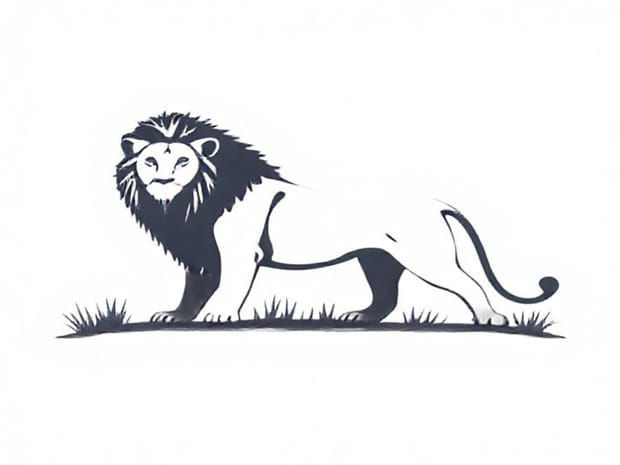
Facts About Transvaal Lions
The Transvaal lion, also known as the South African lion, is a majestic predator that inhabits the grasslands and savannas of southern Africa. Known for its strength, social structure, and distinctive mane, this subspecies plays a crucial role in maintaining ecological balance by regulating populations of herbivores. Observing the Transvaal lion in its natural habitat provides insight into the behaviors, hunting strategies, and social dynamics of one of the most iconic animals on the continent. Understanding the facts about Transvaal lions is essential for conservation efforts, wildlife management, and promoting awareness about the challenges facing these apex predators.
Overview and Classification
The Transvaal lion, scientifically namedPanthera leo krugeri, is a subspecies of the African lion native to South Africa, Botswana, Zimbabwe, and Mozambique. It is part of the Panthera genus, which includes other large cats such as leopards, tigers, and jaguars. This subspecies is distinguished by its size, color, and social behaviors, as well as its adaptation to the savanna ecosystems of southern Africa. Conservationists consider the Transvaal lion an important species for maintaining biodiversity and the ecological integrity of its habitat.
Physical Characteristics
- Adult males typically weigh between 150 to 190 kilograms, while females weigh 120 to 140 kilograms.
- Males feature a prominent mane that ranges from golden to dark brown, which provides protection during fights and attracts females.
- Females are slightly smaller and lack the mane, making them more agile hunters.
- Coat color varies from light tan to golden brown, helping with camouflage in grasslands.
- Powerful build with muscular legs and a long tail ending in a tuft of dark fur.
Habitat and Distribution
Transvaal lions primarily inhabit savannas, open woodlands, and grasslands where prey is abundant. They require large territories to support their social groups, known as prides, and tend to avoid dense forests or arid deserts. National parks and wildlife reserves in South Africa, such as Kruger National Park, serve as critical habitats that protect these lions from habitat loss and poaching. Understanding their distribution helps conservationists implement effective protection strategies and maintain ecological balance in the region.
Key Habitat Features
- Open savannas for hunting and patrolling territory.
- Areas with sufficient water sources and prey availability.
- Mixed woodland and grassland for cover and denning sites.
- Protected reserves to mitigate human-lion conflicts.
- Migration corridors that allow movement between habitats.
Behavior and Social Structure
Transvaal lions are social animals that live in prides, which are typically composed of related females, their offspring, and a small number of resident males. This social structure allows them to cooperate in hunting, protect territory, and rear cubs. Males defend the pride from intruders and rival males, while females hunt and care for the young. Communication through vocalizations, scent marking, and body language helps maintain pride cohesion and coordinate group activities.
Social Dynamics
- Prides usually consist of 10 to 15 individuals, but larger groups are possible in areas with abundant prey.
- Resident males may remain in a pride for several years before being challenged by rivals.
- Females are primarily responsible for hunting, often using cooperative strategies.
- Cubs are protected by the entire pride and learn hunting skills through observation and practice.
- Vocal roars help communicate territory boundaries and social status.
Diet and Hunting
Transvaal lions are apex predators that feed on a variety of herbivores, including zebras, wildebeests, impalas, and buffaloes. They hunt primarily at night or during cooler hours of the day, relying on stealth, strength, and teamwork. Lionesses often hunt in groups to increase their success rate, while males provide protection and occasionally assist in hunting larger prey. Their diet plays a critical role in controlling herbivore populations and maintaining the balance of ecosystems.
Hunting Strategies
- Cooperative hunting among females for larger prey.
- Stalking and ambush techniques using grasslands for cover.
- Males defend kills from scavengers and rival prides.
- Opportunistic feeding on smaller animals when larger prey is scarce.
- Feeding hierarchy within the pride, with males usually eating first.
Reproduction and Lifespan
Reproduction in Transvaal lions involves complex social interactions. Females reach sexual maturity around 3 years of age, while males become capable of reproduction slightly later. Gestation lasts approximately 110 days, and litters typically contain 1 to 4 cubs. Cubs are vulnerable to predation and male takeovers, making pride protection essential for survival. In the wild, Transvaal lions live up to 12-14 years, with lifespan influenced by environmental conditions, prey availability, and human impact.
Reproductive Facts
- Cubs are born blind and rely on maternal care for the first few weeks.
- Females often synchronize births to share protection responsibilities.
- Male lions may commit infanticide when taking over a pride, ensuring their own genes are passed on.
- Cubs gradually learn hunting and social behaviors from older pride members.
- Juveniles may disperse from the natal pride to establish new territories.
Conservation Status
The Transvaal lion faces several threats, including habitat loss, human-wildlife conflict, and poaching. Conservation programs aim to protect their populations through the establishment of national parks, anti-poaching initiatives, and ecological monitoring. Responsible ecotourism also helps raise awareness and funds for lion conservation. Maintaining healthy lion populations is critical for preserving biodiversity and the natural heritage of southern Africa.
Threats and Conservation Measures
- Habitat encroachment due to agriculture and urban development.
- Poaching for trophies and body parts.
- Human-lion conflicts, especially in rural communities.
- Protected reserves and wildlife corridors to support natural movement.
- Community education and ecotourism initiatives to promote coexistence.
Interesting Facts About Transvaal Lions
- Known for their deep, resonant roars that can be heard up to 8 kilometers away.
- Exhibit a unique social structure with cooperative hunting and pride dynamics.
- Males’ mane color can indicate age, strength, and health.
- Play a crucial ecological role as apex predators in maintaining prey populations.
- Can run short distances at speeds up to 50 kilometers per hour during hunting.
The Transvaal lion is a remarkable species that embodies strength, social intelligence, and ecological significance. Understanding facts about Transvaal lions from their physical characteristics and social behavior to their diet, reproduction, and conservation challenges offers a comprehensive view of their importance in southern African ecosystems. Protecting these iconic predators ensures the continued balance of biodiversity, supports ecotourism, and highlights the value of preserving natural habitats for future generations. Observing Transvaal lions in their natural environment provides both educational and awe-inspiring experiences, making them a symbol of wildlife conservation in Africa.