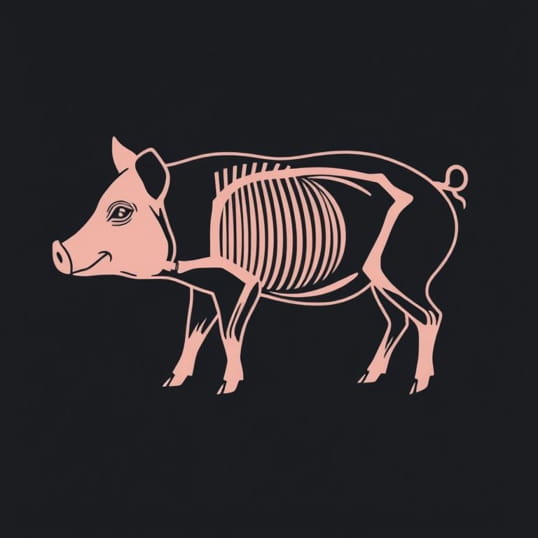
External Anatomy Of Swine
The external anatomy of swine is a fundamental aspect of understanding pig physiology, behavior, and proper management in both agricultural and veterinary contexts. By studying the external structures of swine, farmers, veterinarians, and animal science students can identify healthy development, detect abnormalities, and improve overall animal welfare. Swine, also known as domestic pigs, exhibit distinctive anatomical features that allow them to adapt to various environments, forage efficiently, and interact socially. Understanding these external features not only aids in proper husbandry but also enhances breeding programs, disease prevention, and overall productivity in pig farming.
General Body Structure of Swine
Body Shape and Size
Swine have a compact, cylindrical body with a relatively large head, a strong neck, and a rounded torso. Their body size varies depending on breed, age, and sex, but typically adult pigs range from medium to large in size, with a weight that can exceed 100 kilograms for mature individuals. The cylindrical body shape allows efficient movement and stability, while the muscular development supports both mobility and foraging activity.
Skin and Hair
The skin of swine is covered with sparse bristles or hair, which varies in density depending on the breed. Skin coloration ranges from pink and white to black, spotted, or mixed patterns. Healthy skin should appear smooth and free from lesions or parasites. The bristles serve as a minor protective barrier, while the underlying skin plays a key role in thermoregulation and protection against environmental factors.
Head Anatomy
Snout
The snout is a prominent and highly specialized structure in swine, used for rooting, foraging, and sensory perception. The nose is flat and flexible, ending in a disc-like structure called the rostral plate. This disc is tough and contains numerous sensory receptors, allowing pigs to detect food, odors, and textures in soil or other substrates. The snout is essential for natural behaviors such as digging and exploring the environment.
Eyes
Swine eyes are positioned laterally on the head, providing a wide field of vision. The eyelids are equipped with eyelashes that protect against debris, and pigs have a nictitating membrane that helps maintain eye moisture and cleanliness. Eye health is crucial for overall well-being, and signs of discharge, cloudiness, or swelling may indicate infection or injury.
Ears
The ears of swine are erect or semi-erect depending on the breed and serve as auditory organs. Pigs have excellent hearing, which helps them detect predators, locate food, and communicate with other pigs. The shape and mobility of the ears also aid in thermoregulation and expression of mood or social signals.
Limbs and Hooves
Forelimbs and Hindlimbs
Swine possess strong and muscular forelimbs and hindlimbs, which support walking, running, and rooting behavior. The limbs are relatively short compared to the body, providing stability and balance. Muscular development in the limbs also facilitates movement in uneven terrain and contributes to overall physical strength.
Hooves
Swine are cloven-hoofed animals, meaning each foot is divided into two main toes that bear most of the weight. The hooves provide traction and support during movement and play a role in digging and rooting. Proper hoof care is essential to prevent lameness, infections, and injuries that can impact mobility and productivity.
Tail and Back
Tail
The tail of a pig is a slender, flexible structure located at the posterior end. It is often curly or straight depending on the breed. The tail serves as a communication tool, indicating emotions such as excitement, curiosity, or stress. Tail biting or unusual postures may signal social stress, health issues, or poor environmental conditions.
Back and Spine
The dorsal region of swine, including the back and spine, is muscular and supports the attachment of internal organs and limbs. The spinal alignment is important for posture, balance, and movement. Examination of the back can help identify deformities, injuries, or signs of disease.
Ventral Anatomy
Abdomen
The abdomen of swine is soft and flexible, allowing expansion during feeding and housing internal organs such as the stomach, intestines, and reproductive structures. The abdominal wall supports these organs and protects them from injury. Observing the abdomen can help identify swelling, hernias, or other abnormalities that may require veterinary attention.
Teats and Udder
Female swine, or sows, have multiple teats arranged in two parallel rows along the ventral side. The number of teats varies by breed but typically ranges from six to eight pairs. The teats are essential for nursing piglets and should be evenly spaced, functional, and free from injury or infection. Proper care of the udder is crucial for reproductive success and piglet health.
External Genitalia
Male Swine
In male pigs, the penis and preputial sheath are visible externally. The scrotum, containing the testes, is located near the rear limbs and is important for reproductive function. Observing external genitalia is important for identifying sexual maturity, health, and breeding suitability.
Female Swine
In female pigs, the vulva is visible beneath the tail and serves as the external opening of the reproductive tract. The vulva can indicate the reproductive status of the sow, including estrus or pregnancy. Proper hygiene and care of the external genitalia are essential to prevent infections and maintain reproductive efficiency.
Importance of Understanding Swine External Anatomy
Health Monitoring
Knowledge of external anatomy allows farmers and veterinarians to monitor pig health effectively. Signs such as changes in skin color, swelling, lesions, or abnormal posture can indicate disease, injury, or stress, prompting timely intervention.
Animal Management
Understanding external features aids in proper feeding, housing, and handling. For example, recognizing limb structure and hoof health helps prevent injuries and lameness, while awareness of reproductive anatomy supports breeding programs and piglet care.
Behavioral Observation
The external anatomy also plays a role in observing natural behaviors. Ears, tails, and body posture provide insight into the emotional state of swine, allowing caregivers to address stress, aggression, or discomfort effectively.
The external anatomy of swine is a vital aspect of animal science, veterinary care, and effective farm management. Key structures, including the head, snout, ears, eyes, limbs, hooves, tail, and reproductive organs, serve specific functions that support health, behavior, and productivity. Understanding these external features allows for proper monitoring, disease prevention, and optimized husbandry practices. Whether in breeding, farming, or veterinary contexts, a detailed knowledge of swine external anatomy contributes to animal welfare, efficient management, and overall success in pig rearing operations.