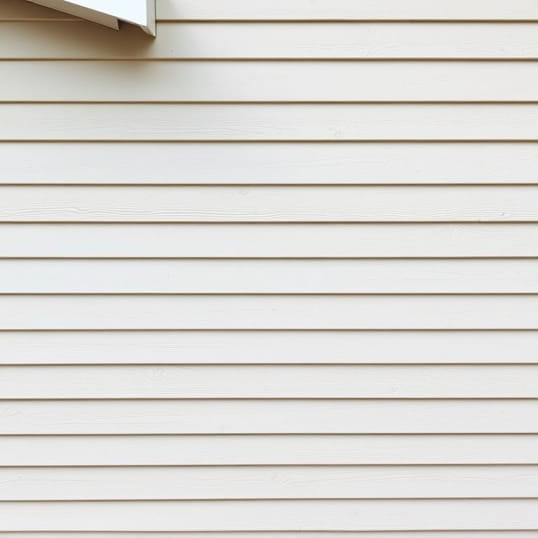
Exterior Wood Clapboard Siding
Exterior wood clapboard siding is a classic and widely used option for home exteriors, offering a combination of timeless aesthetic appeal and practical durability. This type of siding consists of long, narrow wooden boards that overlap horizontally, creating a layered effect that enhances both the appearance and protection of a building. Many homeowners choose exterior wood clapboard siding not only for its natural beauty but also for its ability to withstand various weather conditions, provide insulation, and increase the value of a property. Understanding the features, benefits, maintenance, and installation considerations of wood clapboard siding is essential for anyone planning to improve the exterior of their home.
What is Exterior Wood Clapboard Siding?
Exterior wood clapboard siding is made from individual wooden boards, typically crafted from cedar, pine, or redwood, which are installed horizontally on the exterior walls of a building. Each board overlaps the one below it, creating a tight seal that protects against rain, wind, and other environmental elements. The overlapping design allows water to run off effectively, reducing the risk of moisture infiltration and potential damage to the underlying structure. Clapboard siding can be painted or stained in various colors to complement the architectural style of the home.
Key Features of Wood Clapboard Siding
- Horizontal Overlapping DesignProvides a traditional look while improving weather resistance.
- Natural Wood MaterialOffers an aesthetically pleasing finish with unique grain patterns and textures.
- Versatile FinishesCan be painted, stained, or left natural to suit different design preferences.
- Durable and Long-LastingWhen properly maintained, wood clapboard siding can last for decades.
- Insulation BenefitsAdds a layer of insulation to the exterior walls, helping to regulate indoor temperature.
- Eco-FriendlyWood siding is a renewable resource and can be sourced sustainably.
Benefits of Exterior Wood Clapboard Siding
There are numerous advantages to choosing wood clapboard siding for a home exterior, including both aesthetic and functional benefits
- Classic AppearanceProvides a timeless, elegant look that enhances curb appeal and property value.
- Customizable FinishCan be painted or stained in virtually any color, allowing homeowners to achieve a desired style.
- Weather ProtectionThe overlapping design and natural properties of wood protect the home from wind, rain, and sun.
- DurabilityHigh-quality wood, such as cedar or redwood, is resistant to rot and decay when properly treated.
- Environmental SustainabilityWood is biodegradable and can be sourced from responsibly managed forests.
- Thermal PerformanceAdds an insulating layer to the exterior walls, improving energy efficiency.
Types of Wood Used in Clapboard Siding
Several types of wood are commonly used for clapboard siding, each offering distinct characteristics
- CedarNaturally resistant to rot, decay, and insect damage. Its attractive grain makes it a popular choice.
- PineWidely available and affordable, pine can be treated for improved durability and painted or stained for a refined look.
- RedwoodKnown for its rich color and natural resistance to weathering and decay.
- Composite or Engineered WoodMade from wood fibers and resins, providing enhanced durability while mimicking the appearance of natural wood.
Installation Considerations
Proper installation is essential to ensure that exterior wood clapboard siding provides maximum protection and aesthetic appeal. Key considerations include
- Wall PreparationEnsure the exterior wall is clean, dry, and properly sheathed before installation.
- Moisture BarrierInstall a weather-resistant barrier beneath the siding to prevent water penetration.
- Board SpacingAllow for expansion and contraction due to temperature and humidity changes.
- FasteningUse appropriate nails or screws that are corrosion-resistant to secure boards.
- FinishingSeal, stain, or paint the siding according to manufacturer recommendations to protect against weather and UV damage.
Maintenance Tips for Wood Clapboard Siding
Maintaining wood clapboard siding ensures its longevity and keeps the home exterior looking fresh and attractive
- Inspect the siding annually for signs of rot, damage, or insect activity.
- Repaint or restain the siding every few years to protect against moisture and UV damage.
- Clean the surface regularly with a mild detergent and water to remove dirt and mildew.
- Ensure gutters and downspouts direct water away from the siding to prevent moisture accumulation.
- Replace damaged boards promptly to prevent further deterioration of surrounding areas.
Common Challenges and Solutions
While exterior wood clapboard siding offers many benefits, there are some challenges homeowners should consider
- Moisture DamageCan be mitigated by using water-resistant treatments and proper installation with a moisture barrier.
- Insect InfestationRegular inspection and treatment with insect-repellent finishes help protect the wood.
- Fading and DiscolorationSun exposure may cause fading over time; using high-quality paints or stains can reduce this effect.
- Expansion and ContractionProper spacing and fastening accommodate natural wood movement due to temperature changes.
Modern Uses and Design Trends
Exterior wood clapboard siding continues to be popular in contemporary architecture, with several modern trends emerging
- Combining natural wood with other materials, such as stone or metal, for a modern mixed-material aesthetic.
- Using wide or narrow boards to create unique visual patterns and textures.
- Applying natural stains or muted paint colors for a minimalist, Scandinavian-inspired look.
- Incorporating energy-efficient insulation behind the siding for improved home performance.
Exterior wood clapboard siding is a timeless and practical choice for enhancing the beauty and durability of a home. Its natural wood texture, horizontal overlapping design, and versatility make it suitable for a wide range of architectural styles. By selecting the right type of wood, ensuring proper installation, and maintaining it regularly, homeowners can enjoy the benefits of long-lasting protection, improved insulation, and exceptional curb appeal. Whether used on traditional or modern homes, wood clapboard siding remains a reliable and aesthetically pleasing option for exterior wall coverings.