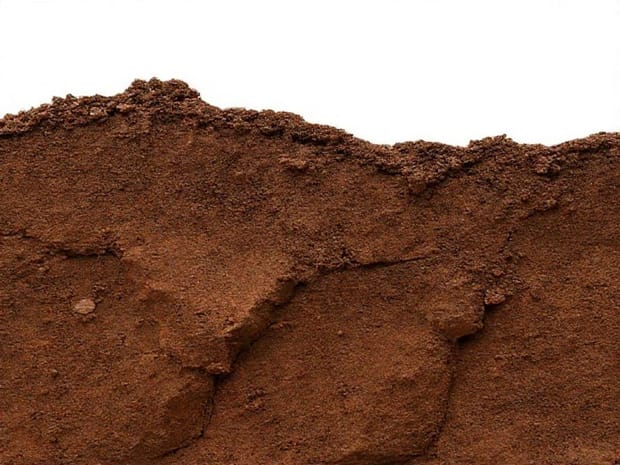
Explain Why Clayey Soils Are Unstable
Clayey soils are a common type of soil found in many parts of the world, characterized by their fine ptopics and unique physical properties. These soils are often rich in minerals such as kaolinite, illite, and montmorillonite, which give them their distinctive sticky texture when wet and hard, compact form when dry. Despite being fertile and suitable for agriculture in certain conditions, clayey soils are considered unstable in many engineering and construction contexts. Their instability is a result of their ptopic size, water retention properties, shrink-swell behavior, and low permeability, all of which can lead to structural challenges, erosion, and landslides. Understanding why clayey soils are unstable is crucial for geotechnical engineers, farmers, and urban planners to mitigate risks and ensure the safety and durability of structures built on these soils.
Properties of Clayey Soils
Clayey soils are made up of ptopics that are less than 0.002 millimeters in diameter, making them the finest soil ptopics compared to silt and sand. This fine ptopic size contributes to several distinct properties that influence their stability
- High PlasticityClay ptopics can deform easily without cracking, which leads to changes in volume when water content varies.
- High CohesionThe tiny ptopics stick together strongly due to electrostatic forces, which can make the soil initially resistant to erosion but also prone to sudden collapse under stress.
- Low PermeabilityWater moves very slowly through clayey soils, leading to waterlogging during heavy rainfall or irrigation.
- Shrink-Swell BehaviorClay expands when wet and contracts when dry, causing movement in the soil structure.
- High Water RetentionClay holds a large amount of water, which affects its weight, pressure, and load-bearing capacity.
Causes of Instability in Clayey Soils
The instability of clayey soils arises from a combination of physical, chemical, and environmental factors. These factors influence how clay reacts to water, pressure, and temperature changes, making it a challenging soil type for construction and agriculture.
1. Water Retention and Saturation
Clayey soils have a high capacity to absorb and retain water due to their fine ptopic size and plate-like structure. When water infiltrates clay, it fills the tiny pores between the ptopics, increasing the soil’s weight and reducing its shear strength. Saturated clay can become soft and slippery, leading to problems like landslides, foundation settlement, and slope failure. In contrast, overly dry clay may harden and crack, reducing cohesion in localized areas and contributing to uneven settlement of structures.
2. Shrink-Swell Behavior
The shrink-swell property of clayey soils is one of the primary reasons for their instability. When wet, clay expands, exerting pressure on any structures built on it. When dry, it shrinks, creating voids and cracks. This cyclic movement can damage buildings, roads, and pipelines over time. Areas with high seasonal rainfall variation or irrigation are particularly susceptible to this problem, as the alternating wetting and drying cycles amplify soil movement.
3. Low Permeability
Clayey soils are poorly permeable, meaning water infiltrates slowly. While this property allows clay to retain moisture for plant growth, it can also lead to surface runoff and waterlogging during heavy rainfall. Waterlogged clay loses internal cohesion, increasing the risk of landslides and slope failures. Poor drainage further exacerbates the instability of clayey soils, making them unsuitable for certain types of construction without significant soil improvement techniques.
4. Cohesion and Ptopic Arrangement
The cohesive nature of clay ptopics can both stabilize and destabilize soil. While cohesion helps clay resist minor erosion, it can create a deceptive sense of stability. When the soil becomes saturated or overloaded, the cohesion can fail suddenly, resulting in landslides, mudflows, or foundation collapses. The plate-like arrangement of clay ptopics also allows them to slide over each other easily when lubricated with water, contributing to sudden soil movements.
5. Sensitivity to Environmental Changes
Clayey soils are highly sensitive to changes in moisture, temperature, and load. Rainfall, flooding, or excessive irrigation can rapidly alter water content, leading to swelling or softening of the soil. Temperature fluctuations can cause drying cracks, while human activities such as excavation, construction, or heavy vehicle movement can disturb the delicate balance of clay ptopic arrangement. This sensitivity makes clayey soils unpredictable and difficult to manage without proper engineering solutions.
Engineering and Construction Challenges
The unstable nature of clayey soils presents significant challenges in civil engineering and construction projects. Structures built on clayey soils may experience differential settlement, cracks in foundations, walls, and pavements, or even catastrophic failure in extreme cases. Engineers must take soil properties into account when designing buildings, roads, or embankments in clay-rich areas. Common solutions include soil stabilization, drainage systems, and deep foundations to transfer loads to more stable strata.
Common Engineering Solutions
- Soil stabilization using lime, cement, or fly ash to reduce plasticity and improve strength.
- Installation of proper drainage systems to prevent waterlogging and reduce swelling.
- Deep foundations, such as piles, to transfer structural loads to more stable layers beneath the clay.
- Regular monitoring of soil moisture content and movement in sensitive regions.
- Land grading and compaction to reduce slope instability and erosion risk.
Agricultural Implications
Although clayey soils are often fertile due to high nutrient content and water retention, their instability affects agricultural practices. Waterlogged conditions can harm crops by restricting oxygen to roots, while cracking during dry periods can damage seedlings and reduce soil uniformity. Farmers must carefully manage irrigation, drainage, and crop selection to optimize yields and minimize the negative effects of unstable clay soils. Techniques such as raised beds, mulching, and soil amendment with organic matter are commonly used to mitigate instability in agricultural settings.
Agricultural Management Techniques
- Raised planting beds to prevent waterlogging.
- Organic amendments like compost or manure to improve soil structure.
- Controlled irrigation to avoid excessive saturation.
- Crop rotation and selection of deep-rooted plants to enhance soil stability.
- Mulching to retain moisture evenly and reduce cracking.
Environmental Consequences
The instability of clayey soils also has broader environmental implications. Landslides, erosion, and sedimentation from clay-rich areas can impact rivers, wetlands, and water quality. In urban regions, clayey soils may lead to foundation problems, road damage, and increased maintenance costs. Proper understanding of the reasons behind clay instability helps in planning environmentally sustainable interventions, including soil conservation, slope reinforcement, and erosion control measures.
Environmental Management Approaches
- Afforestation and planting deep-rooted vegetation to stabilize slopes.
- Terracing and contour farming to reduce erosion on slopes.
- Check dams and sediment traps to prevent downstream siltation.
- Land use planning to avoid construction on highly unstable clay areas.
- Monitoring of soil movement and rainfall patterns for disaster mitigation.
Clayey soils are inherently unstable due to a combination of their fine ptopic size, high plasticity, shrink-swell behavior, low permeability, and sensitivity to environmental changes. These properties lead to challenges in construction, agriculture, and environmental management. Understanding why clayey soils are unstable allows engineers, farmers, and planners to implement effective mitigation strategies such as soil stabilization, proper drainage, deep foundations, and agricultural soil management. While clayey soils can be fertile and supportive for plant growth, their instability requires careful attention and planning to prevent structural damage, erosion, and environmental degradation. By studying the properties and behavior of clay soils, we can optimize land use, enhance safety, and promote sustainable development in regions dominated by this unique but challenging soil type.