Explain The Function Of The Menisci Of The Knee
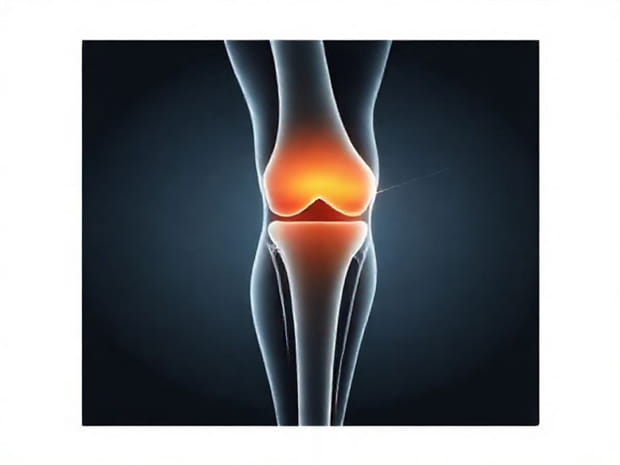
The menisci of the knee are two crescent-shaped pieces of cartilage that play an essential role in maintaining stability, absorbing shock, and protecting the joint during movement. Found between the femur and the tibia, these structures work like cushions, distributing weight evenly whenever you walk, run, squat, or jump. Understanding the function of the menisci is vital for anyone interested in joint health, sports performance, or injury prevention, as damage to these tissues can significantly affect mobility and quality of life.
Anatomy of the Menisci
The knee has two menisci the medial meniscus on the inner side and the lateral meniscus on the outer side of the joint. Both are made of fibrocartilage, a durable yet flexible material designed to withstand pressure. They are shaped like curved wedges, with thicker edges along the outer rim and a thinner center. Their position allows them to fit snugly between the rounded ends of the femur and the flat surface of the tibia.
Medial Meniscus
The medial meniscus is larger and more C-shaped than its counterpart. Because it is attached more firmly to the joint capsule and the medial collateral ligament, it is less mobile and slightly more prone to injury, especially during twisting motions of the knee.
Lateral Meniscus
The lateral meniscus is smaller and more circular, with greater flexibility due to its looser attachments. Its mobility helps it adapt to the varying shapes of the femur as the knee bends and straightens, offering resilience during athletic movements.
Main Functions of the Menisci
The menisci contribute to knee health in several important ways
- Shock AbsorptionThey act as natural shock absorbers, protecting bones from the impact created by activities such as running or jumping.
- Load DistributionThe menisci spread body weight evenly across the knee, reducing stress on the articular cartilage and minimizing wear.
- Joint StabilityTheir curved shape helps keep the femur aligned with the tibia, preventing the knee from sliding or rotating excessively.
- Lubrication and NutritionThey assist in spreading synovial fluid across the joint surface, improving lubrication and nourishing surrounding cartilage.
- ProprioceptionNerve endings in the menisci provide feedback about joint position, supporting balance and coordination.
Shock Absorption and Load Distribution
One of the most critical roles of the menisci is to absorb and dissipate forces traveling through the knee. When you land from a jump or take a step, pressure passes through the femur into the tibia. Without cushioning, this force could damage delicate cartilage or bone surfaces. The menisci compress slightly under weight, spreading the load and preventing concentrated stress in one area, which protects the joint from early degeneration.
Protecting Articular Cartilage
By evenly distributing weight, the menisci help safeguard the smooth articular cartilage that covers the ends of the bones. Healthy cartilage reduces friction, allowing effortless movement. When the menisci are damaged or removed, pressure increases on the cartilage, often leading to early osteoarthritis.
Joint Stability and Alignment
The menisci stabilize the knee by guiding the femur as it rolls and glides over the tibia during bending and straightening. Their wedge-like shape keeps the bones aligned, particularly when the knee is partially flexed, such as during climbing stairs or standing from a seated position. A stable joint is less likely to suffer from injuries like ligament tears or dislocations.
Assisting Ligament Function
While the ligaments of the knee provide primary stability, the menisci support them by limiting excessive motion. They also help maintain proper spacing inside the joint, which is crucial for ligament tension and efficient movement.
Role in Lubrication and Nutrition
Synovial fluid is a slippery substance inside the joint that reduces friction and nourishes cartilage. The menisci act as small pumps, helping distribute this fluid as the knee moves. This constant flow ensures the articular surfaces remain healthy and reduces the likelihood of degeneration caused by poor lubrication.
Facilitating Smooth Movement
Because they maintain a consistent layer of synovial fluid, the menisci allow for smooth, pain-free motion. Whether you are squatting, lunging, or performing daily activities, this lubrication keeps the knee functioning efficiently.
Proprioceptive Function
Another less obvious function of the menisci is proprioception the body’s ability to sense the position and movement of joints. Specialized nerve endings within the menisci send signals to the brain, helping coordinate balance and muscle activity. This feedback is essential for athletic performance, preventing falls, and reacting quickly to changes in terrain.
Importance for Athletes
For athletes, proprioceptive feedback from the menisci enhances agility and quick reflexes. When these tissues are damaged, the brain may receive less information about knee position, increasing the risk of further injury.
Common Meniscal Injuries
Despite their durability, menisci are vulnerable to injury, particularly during sports or sudden twisting motions. Tears are among the most frequent knee injuries, often occurring when the foot is planted, and the knee rotates. Degenerative changes can also weaken the tissue over time, especially in older adults.
Symptoms of a Meniscus Tear
Typical signs include
- Pain along the joint line
- Swelling or stiffness after activity
- A popping sensation at the time of injury
- Locking or catching of the knee during movement
Treatment and Recovery
Management depends on the severity and location of the tear. Minor injuries may heal with rest, ice, compression, and elevation, combined with physical therapy to strengthen surrounding muscles. Severe or complex tears may require arthroscopic surgery to repair or remove damaged tissue. Protecting the menisci after treatment through gradual rehabilitation is vital to restore their cushioning and stabilizing functions.
Preventing Meniscal Damage
To preserve the health of your menisci, focus on exercises that strengthen the quadriceps, hamstrings, and calf muscles. Proper warm-ups before sports, wearing supportive footwear, and avoiding sudden twisting movements can reduce strain on the knee joint. Maintaining a healthy weight also lessens the pressure placed on these small but vital structures.
Long-Term Joint Care
Consistent attention to knee mechanics and flexibility helps prevent meniscal wear and tear. Yoga, swimming, and cycling are low-impact activities that support joint health while keeping the muscles around the knee strong and flexible.
The menisci of the knee perform crucial functions that keep this complex joint stable, cushioned, and nourished. From shock absorption and weight distribution to alignment and proprioception, they ensure that every step, jump, or bend is smooth and protected. Understanding their anatomy and purpose emphasizes the need to safeguard them through proper training, healthy lifestyle habits, and early treatment of injuries. Caring for the menisci not only supports athletic performance but also preserves long-term mobility and quality of life.