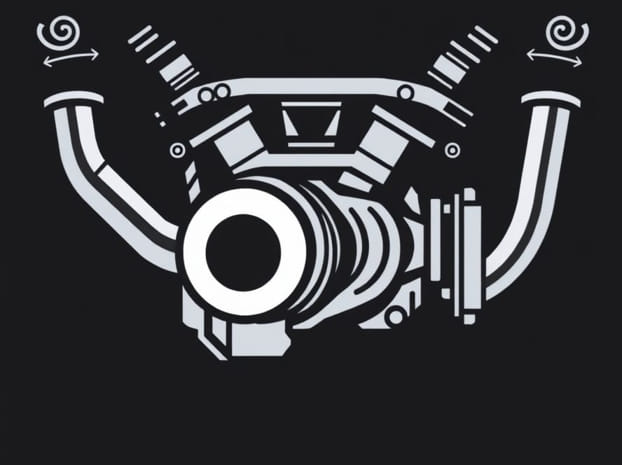
Exhaust Camshaft Position System Performance
Modern engines are designed with advanced control systems to balance performance, efficiency, and emissions. One of the key components that makes this possible is the exhaust camshaft position system. When the exhaust camshaft position system performance starts to degrade or fails, the engine may lose power, fuel economy can drop, and warning lights often appear. Understanding how this system works, why it is important, and what happens when problems arise is essential for drivers, mechanics, and enthusiasts who want to keep their engines running smoothly. This detailed guide explores everything about the exhaust camshaft position system performance, from its role in an engine to symptoms, causes, and solutions for common issues.
What Is the Exhaust Camshaft Position System?
The exhaust camshaft position system is a critical part of a vehicle’s variable valve timing mechanism. Its primary purpose is to control the timing of the exhaust valves so that gases leave the combustion chamber efficiently. By adjusting the exhaust camshaft position, the system ensures optimal combustion cycles, improving both power output and fuel efficiency.
The system typically includes a camshaft position sensor, a camshaft actuator, and an electronic control module (ECM) that manages the timing. The ECM constantly monitors signals and adjusts the camshaft position depending on engine load, speed, and driving conditions.
Why Exhaust Camshaft Position System Performance Matters
Proper exhaust camshaft position system performance has a direct impact on the overall health and efficiency of an engine. When the system operates correctly, it delivers
- Smoother engine operation
- Improved fuel efficiency
- Better power delivery
- Reduced emissions
- Extended engine life
On the other hand, poor performance or failure in the system can lead to misfires, rough idling, increased fuel consumption, and even long-term engine damage if ignored.
Main Components of the System
Exhaust Camshaft
The camshaft itself has lobes that control the timing and movement of the exhaust valves. In modern engines, camshafts are designed to adjust slightly depending on engine demand.
Camshaft Position Sensor
This sensor tracks the exact position of the camshaft and sends data to the ECM. The sensor ensures the engine control unit can adjust timing accurately.
Camshaft Actuator or Phaser
This device physically shifts the camshaft position when instructed by the ECM. It allows dynamic control over exhaust valve timing.
Engine Control Module (ECM)
The ECM acts as the brain of the system, processing input from multiple sensors to calculate and apply the correct camshaft adjustments.
Common Symptoms of Poor Exhaust Camshaft Position System Performance
When the system is not working properly, drivers may notice several issues. Common symptoms include
- Check engine light illumination
- Rough idle or stalling
- Engine misfires
- Loss of acceleration and power
- Reduced fuel economy
- Unusual exhaust smoke
These signs indicate that the exhaust valves are not opening and closing at the right time, disrupting the combustion process.
Causes of Exhaust Camshaft Position System Problems
There are multiple reasons why the exhaust camshaft position system performance may fail. Common causes include
- Faulty camshaft position sensor
- Dirty or clogged oil passages affecting the actuator
- Worn or damaged camshaft actuator
- Low or contaminated engine oil
- Electrical wiring issues
- Failed ECM or communication errors
Because the system relies heavily on oil pressure and clean sensors, even simple maintenance neglect can lead to performance problems.
Diagnosis of Exhaust Camshaft Position System Performance
Diagnosing issues with this system requires proper tools and knowledge. Mechanics often use an OBD-II scanner to retrieve diagnostic trouble codes (DTCs) related to camshaft performance. A common code associated with this issue is P0014, which indicates that the exhaust camshaft timing is over-advanced. Other codes may point to sensor malfunctions or actuator faults.
In addition to scanning codes, mechanics may check oil levels, test the sensor with a multimeter, and inspect the actuator for wear or clogging. Electrical connections are also tested to ensure proper signal transmission.
Fixing Exhaust Camshaft Position System Performance Issues
The solution depends on the root cause of the problem. Common repairs include
- Replacing the camshaft position sensor
- Cleaning or replacing the camshaft actuator
- Changing engine oil and filter
- Repairing damaged wiring or connectors
- Updating or reprogramming the ECM
In severe cases, such as when the camshaft itself is worn, more extensive repairs may be required. Regular maintenance and timely oil changes can prevent many of these problems from happening.
How Maintenance Helps Performance
Maintaining proper exhaust camshaft position system performance starts with consistent engine care. Drivers can take proactive steps to extend the lifespan of the system
- Use the correct grade of engine oil recommended by the manufacturer
- Change oil and filters at regular intervals
- Inspect electrical connections periodically
- Address warning lights promptly
- Keep up with scheduled vehicle maintenance
By following these steps, the likelihood of major camshaft system failures decreases significantly.
Impact on Fuel Efficiency and Emissions
One of the biggest advantages of a functioning exhaust camshaft position system is improved fuel efficiency. By optimizing exhaust valve timing, the engine burns fuel more effectively, requiring less fuel for the same performance. Additionally, the system helps reduce harmful emissions by ensuring that exhaust gases exit the combustion chamber cleanly and efficiently. This not only benefits the driver financially but also supports cleaner air and compliance with emission standards.
When to Seek Professional Help
If the check engine light turns on and diagnostics point to an exhaust camshaft position system performance issue, professional assistance is usually necessary. While some repairs, like oil changes, can be done at home, replacing actuators or testing sensors may require advanced tools and knowledge. Ignoring the problem for too long can lead to catalytic converter damage or even more severe engine issues.
The exhaust camshaft position system performance is vital for the modern engine’s efficiency, reliability, and longevity. When it functions properly, the system ensures optimal valve timing, smooth performance, reduced emissions, and improved fuel economy. However, when problems arise, they can quickly affect drivability and long-term engine health. Understanding the role of sensors, actuators, and the ECM, along with the importance of proper oil maintenance, can help drivers recognize symptoms early and take the right corrective actions. Ultimately, a well-maintained exhaust camshaft position system contributes to better performance, cost savings, and a cleaner environment.