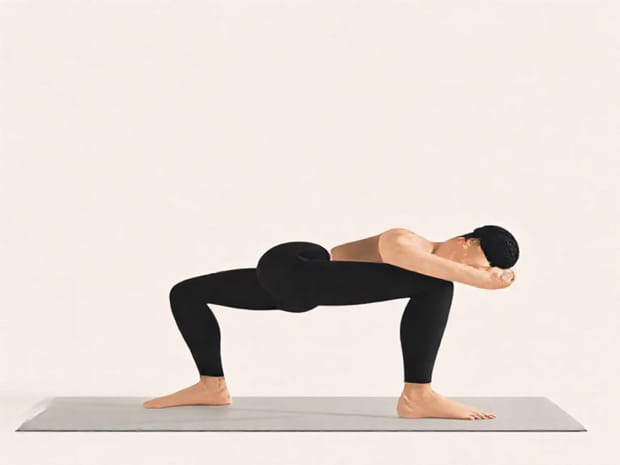
Exercises To Loosen Hamstrings
Tight hamstrings are a common issue for many people, especially those who spend long hours sitting at a desk, driving, or engaging in sports that require running and jumping. When the hamstrings become stiff, they can limit flexibility, increase the risk of injury, and even contribute to lower back pain. Incorporating exercises to loosen hamstrings into your routine can help improve mobility, enhance athletic performance, and promote overall comfort in daily activities. By stretching and strengthening these muscles properly, you can maintain healthy movement patterns and reduce discomfort.
Why Focus on Hamstring Flexibility?
The hamstrings are a group of three muscles located at the back of the thigh. They are responsible for bending the knee and extending the hip, both of which are essential in walking, running, and climbing. When these muscles are tight, they restrict range of motion and pull on surrounding areas like the hips and lower back. This often leads to poor posture and discomfort.
Improving hamstring flexibility through targeted exercises offers several benefits
- Better mobility in the hips and legs
- Reduced risk of hamstring strains and tears
- Improved athletic performance
- Relief from lower back tightness
- Enhanced posture and daily comfort
Effective Exercises to Loosen Hamstrings
There are many stretches and mobility drills that target the hamstrings directly. Some are static, holding the stretch for a period of time, while others are dynamic, involving controlled movement. A combination of both can yield the best results.
Standing Hamstring Stretch
This is one of the simplest ways to stretch the hamstrings without any equipment. It is suitable for beginners and can be done almost anywhere.
- Stand with feet hip-width apart.
- Place one heel on a low surface such as a step or chair.
- Keep the leg straight and gently lean forward from the hips.
- Hold for 20-30 seconds before switching sides.
Seated Forward Fold
A yoga-inspired stretch, the seated forward fold deeply stretches the hamstrings while also calming the mind and relaxing the spine.
- Sit on the floor with legs extended straight in front of you.
- Flex your feet so your toes point upward.
- Reach forward with both hands, aiming to touch your toes.
- Hold the position for 20-40 seconds, breathing steadily.
Lying Hamstring Stretch with Strap
Using a strap or towel provides support while isolating the hamstrings for a deeper stretch.
- Lie on your back with legs extended.
- Loop a strap around the ball of your right foot.
- Keep the other leg flat on the floor.
- Gently pull your right leg upward until you feel a stretch in the hamstring.
- Hold for 30 seconds and switch legs.
Downward Dog Pose
This classic yoga pose stretches the hamstrings while also lengthening the spine and engaging the shoulders.
- Start on all fours, then lift your hips toward the ceiling.
- Straighten your legs as much as possible without locking the knees.
- Press your heels toward the floor to deepen the stretch.
- Hold for 30-60 seconds.
Dynamic Leg Swings
Dynamic stretching improves blood flow and warms up the hamstrings before exercise. Leg swings are effective for loosening muscles in preparation for activity.
- Stand next to a wall for support.
- Swing one leg forward and backward in a controlled manner.
- Keep movements smooth and avoid jerking.
- Repeat 10-15 swings per leg.
Walking Toe Touch
This mobility drill combines stretching with movement, making it great as part of a warm-up routine.
- Step forward with your right foot while extending your left arm.
- Reach down and touch your right toes with your left hand.
- Alternate sides as you walk forward.
- Continue for 10-15 steps.
Pigeon Pose Variation
While primarily a hip opener, the pigeon pose also provides an excellent stretch for the hamstrings when performed with a slight adjustment.
- Start in a plank position and bring your right leg forward.
- Extend your right leg slightly straighter than in a traditional pigeon pose.
- Lean forward to deepen the hamstring stretch.
- Hold for 20-30 seconds and repeat on the other side.
Tips for Stretching Hamstrings Safely
Hamstrings can be sensitive muscles, and overstretching can cause injury instead of relief. To get the best results from these exercises, keep these tips in mind
- Warm up lightly with walking or jogging before stretching.
- Move slowly into each stretch; avoid bouncing.
- Hold static stretches for at least 20-30 seconds.
- Practice stretching consistently, not just when you feel tightness.
- Listen to your body and stop if you feel sharp pain.
When to Do Hamstring Stretches
Exercises to loosen hamstrings can be performed at different times depending on your goals. Dynamic stretches like leg swings and walking toe touches are best before workouts because they prepare the muscles for movement. Static stretches such as seated forward fold or lying hamstring stretch are better suited for after exercise or during relaxation routines like yoga.
How Often Should You Stretch?
For noticeable improvements in flexibility, consistency is key. Aim to stretch your hamstrings at least 3-4 times per week. If you have particularly tight hamstrings, daily stretching can help speed up progress. Even just 10-15 minutes per day can lead to long-term benefits in mobility and comfort.
Additional Benefits of Loosening Hamstrings
While the primary goal is improved flexibility, regular hamstring stretching can also positively impact other aspects of health and fitness
- Reduced tension in the lower back, hips, and calves
- Better running stride and athletic efficiency
- Improved circulation in the legs
- Decreased likelihood of cramps and spasms
Hamstring tightness is a problem many people face, but it can be managed with the right approach. By incorporating exercises to loosen hamstrings into your weekly routine, you can enjoy better mobility, prevent injuries, and enhance your physical performance. From simple standing stretches to yoga poses like downward dog, there are plenty of effective options to suit all fitness levels. Remember to be consistent, patient, and mindful of proper form to get the most benefit from each exercise. Over time, your hamstrings will become more flexible, supporting a healthier and more active lifestyle.