Examples Of Rube Goldberg Machines
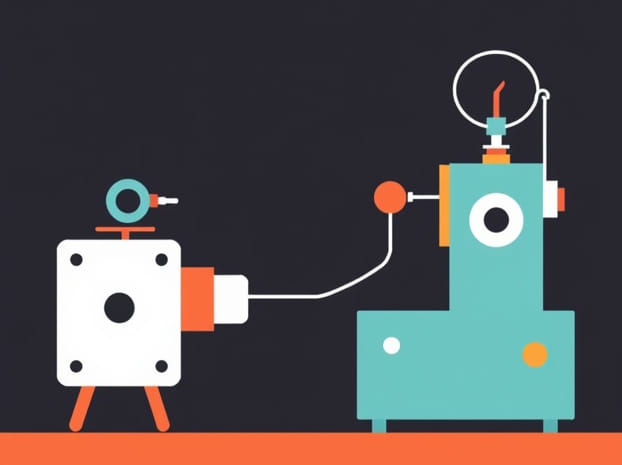
Rube Goldberg machines are fascinating inventions that capture the imagination through their intricate and often humorous sequences of events. Named after the American cartoonist Rube Goldberg, these machines are designed to perform a simple task in an overly complicated and creative way, using a chain reaction of mechanical interactions. From turning on a light to pouring a cup of coffee, Rube Goldberg machines exemplify the playful intersection of engineering, creativity, and problem-solving, offering endless opportunities for experimentation and entertainment.
Understanding Rube Goldberg Machines
At their core, Rube Goldberg machines transform ordinary tasks into elaborate sequences that involve multiple steps, often requiring several mechanical, kinetic, or physical reactions. The goal is not efficiency but rather ingenuity, complexity, and visual appeal. These machines can incorporate everyday objects such as dominoes, pulleys, levers, marbles, and even household appliances to create chain reactions that ultimately achieve a simple objective. The charm of Rube Goldberg machines lies in the unexpected and whimsical ways that components interact, highlighting creativity and problem-solving skills.
Key Elements of a Rube Goldberg Machine
- Chain ReactionsEach action triggers the next, creating a continuous sequence of events.
- Multiple ComponentsRube Goldberg machines utilize a variety of objects, both mechanical and household items, to achieve the final task.
- Complexity for SimplicityThe outcome is a simple action achieved through a highly elaborate process.
- Creativity and HumorOften, the machines are designed to be amusing and visually engaging.
Classic Examples of Rube Goldberg Machines
Many examples of Rube Goldberg machines exist in both media and real life, showcasing the creativity and intricate planning required. These machines often appear in cartoons, advertisements, and engineering competitions, demonstrating a wide variety of designs and themes.
1. Breakfast Preparation Machines
One popular example is a machine designed to prepare breakfast. A marble might roll down a ramp, triggering a lever that pours cereal into a bowl. A string attached to a toaster can pop bread into the air at the right moment, while a fan turns on a coffee maker. Each step is carefully synchronized, turning a simple morning routine into a playful mechanical ballet.
2. Alarm Clock Machines
Some Rube Goldberg machines are created to wake someone up in the morning. A ball may drop onto a series of dominoes, which then push a book off a ledge. This movement might pull a string connected to a small bell, ringing it to wake the sleeper. The combination of multiple components and carefully timed actions makes waking up both effective and entertaining.
3. Office or Classroom Machines
In schools and offices, Rube Goldberg machines are often constructed for educational or recreational purposes. For example, a machine might be designed to turn off a light or close a window. Students might use books, rulers, paper cups, and toy cars to create a sequence that ultimately presses a switch. These machines teach principles of physics, engineering, and problem-solving while engaging participants in creative thinking.
4. Artistic or Entertainment Machines
Rube Goldberg machines are frequently used in media for artistic or entertainment purposes. Movie scenes often include machines that pour drinks, light candles, or feed pets in convoluted ways. One famous example is a machine that sets off a series of chain reactions to pop a balloon at the end of a film scene. These machines demonstrate precision engineering and timing, captivating audiences with their ingenuity.
Modern Examples in Competitions and Media
Many contemporary engineers, students, and hobbyists build Rube Goldberg machines for competitions and social media. The American Rube Goldberg Machine Contest, for example, encourages students to design machines that perform a specific task in the most creative and complex way possible. Modern examples often incorporate electronics, robotics, and computer-controlled elements to increase complexity and precision, blending traditional mechanical ingenuity with modern technology.
5. Digital and Robotic Rube Goldberg Machines
In recent years, machines have included motors, sensors, and microcontrollers to automate sequences. A machine might use a sensor to detect a falling object, triggering a motor to spin a wheel, which then releases a ball to roll down a ramp. These advanced machines combine mechanical engineering with programming and electronics, expanding the possibilities for creativity and functionality.
6. Household Task Machines
Everyday household tasks provide excellent opportunities for Rube Goldberg machines. For example, a machine might turn on a TV, pour a drink, or feed a pet. Simple objects such as string, pulleys, toy cars, and kitchen utensils can create elaborate sequences that accomplish a mundane task in a surprisingly entertaining way. These machines often highlight the contrast between the simplicity of the task and the complexity of the method used to achieve it.
Educational Value of Rube Goldberg Machines
Beyond entertainment, Rube Goldberg machines offer significant educational benefits. They teach fundamental principles of physics, such as energy transfer, gravity, and momentum. Participants learn about problem-solving, engineering design, and critical thinking as they plan and construct sequences. Additionally, building these machines encourages teamwork, patience, and iterative design, as small errors in timing or alignment can disrupt the entire chain reaction. Many schools and universities incorporate Rube Goldberg machines into STEM curricula to engage students in hands-on learning experiences.
Teaching Physics Concepts
- Energy TransferMachines illustrate how potential and kinetic energy move through different components.
- Force and MotionStudents learn how forces act on objects to create movement in a sequence.
- Momentum and FrictionThe machines demonstrate how momentum and friction affect the timing and efficiency of actions.
Promoting Creativity and Problem-Solving
Designing a Rube Goldberg machine encourages creativity and innovation. Participants must envision multiple steps, anticipate potential problems, and adjust components for optimal performance. This trial-and-error process fosters critical thinking, resilience, and adaptive learning, providing both fun and educational value.
Famous Media and Pop Culture Examples
Rube Goldberg machines have become iconic in popular culture. Movies, TV shows, and advertisements frequently feature them for humor or to demonstrate ingenuity. For instance, commercials for candy, beverages, and household products often showcase machines that complete a simple task in complex and visually engaging ways. Animated films and cartoons also popularize these machines, appealing to audiences of all ages by emphasizing creativity and unexpected outcomes.
7. Cartoon Examples
Classic cartoons often feature characters interacting with Rube Goldberg machines, where one simple action triggers an elaborate sequence that results in humorous outcomes. These examples demonstrate the principles of chain reactions and mechanical engineering in a fun and accessible manner, making complex ideas understandable for children and adults alike.
8. Movie Examples
Some movies include elaborate sequences that resemble Rube Goldberg machines. These scenes often involve multiple props, actors, and precise timing to achieve an effect that entertains viewers while demonstrating complex interactions. Such machines show how the principles of Rube Goldberg can be applied creatively in large-scale productions.
Rube Goldberg machines are remarkable examples of creativity, engineering, and problem-solving combined into entertaining sequences. From simple household tasks to complex media productions, these machines illustrate how ordinary actions can be transformed into elaborate and humorous chain reactions. Examples such as breakfast preparation machines, alarm clock sequences, educational projects, and media-driven machines highlight the diversity and educational value of Rube Goldberg designs. Whether for learning physics concepts, fostering creativity, or providing entertainment, Rube Goldberg machines continue to inspire engineers, students, and hobbyists worldwide, demonstrating the endless possibilities of mechanical ingenuity.