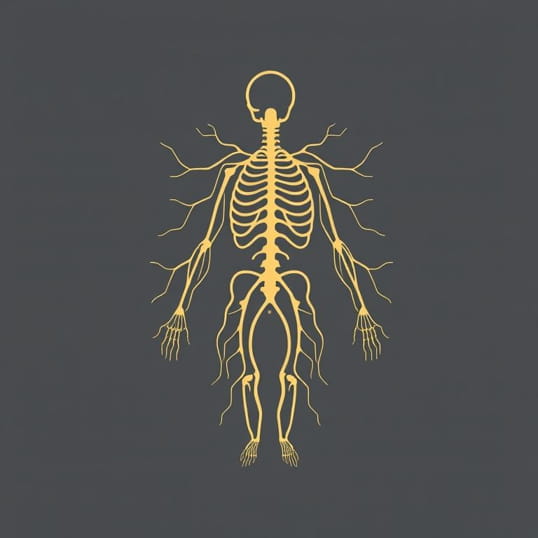
Example Of Somatic Nervous System
The human nervous system is a complex network that coordinates bodily functions, sensations, and voluntary movements. Among its major components, the somatic nervous system plays a vital role in controlling voluntary actions and transmitting sensory information from the body to the central nervous system. It is responsible for activities such as walking, writing, and speaking, as well as processing external stimuli like touch, pain, and temperature. Understanding examples of the somatic nervous system helps illustrate how humans interact with their environment and perform purposeful actions, highlighting its importance in everyday life.
Understanding the Somatic Nervous System
The somatic nervous system is a subdivision of the peripheral nervous system, primarily responsible for voluntary control over skeletal muscles and the relay of sensory information to the brain. Unlike the autonomic nervous system, which regulates involuntary functions such as heartbeat and digestion, the somatic system allows conscious control over actions. It consists of sensory (afferent) neurons that carry information from sensory organs to the central nervous system and motor (efferent) neurons that send commands from the central nervous system to skeletal muscles.
Key Functions of the Somatic Nervous System
- Control of voluntary movements of skeletal muscles
- Transmission of sensory signals, including touch, pain, and temperature
- Coordination of reflex arcs for quick, protective responses
- Integration of sensory feedback to maintain balance and posture
Through these functions, the somatic nervous system enables humans to respond intentionally to their environment, perform complex motor tasks, and experience sensations in a conscious manner. Its role is essential for interacting with surroundings, learning motor skills, and protecting the body from harm.
Examples of Somatic Nervous System in Action
Observing real-life examples of the somatic nervous system helps clarify how it functions in various activities. These examples illustrate the system’s role in voluntary movement, sensory processing, and reflexive actions.
Voluntary Muscle Movements
One of the most straightforward examples of the somatic nervous system is voluntary muscle movement. When a person decides to pick up a cup of water, the brain sends signals through motor neurons to the skeletal muscles of the arm and hand. The coordination of multiple muscle groups allows the hand to grasp the cup, lift it, and bring it to the mouth. Sensory neurons provide feedback on muscle position, pressure, and grip strength, ensuring a smooth and accurate movement.
Walking and Running
Walking and running are complex motor activities controlled by the somatic nervous system. The brain sends commands to the leg and foot muscles, coordinating muscle contractions for forward motion. Simultaneously, sensory neurons convey information about the ground, balance, and obstacles, allowing the body to adjust movements dynamically. For example, stepping on an uneven surface triggers adjustments in muscle tension and posture to prevent falls.
Writing and Typing
Fine motor skills, such as writing or typing, are also governed by the somatic nervous system. These activities require precise coordination of finger and hand muscles. When typing, motor neurons activate specific muscles in the fingers, while sensory neurons provide feedback on finger placement and key pressure. This feedback loop allows accurate, controlled, and deliberate movement, illustrating the critical role of the somatic nervous system in skilled tasks.
Reflex Actions
Reflexes are rapid, involuntary responses to stimuli, and while they do not require conscious thought, they involve the somatic nervous system. For example, touching a hot surface triggers sensory neurons to send signals to the spinal cord, which immediately sends a response through motor neurons to withdraw the hand. This protective reflex demonstrates how the somatic system safeguards the body while maintaining control over skeletal muscles.
Playing Musical Instruments
Playing musical instruments, such as the piano or guitar, provides another example of somatic nervous system involvement. Musicians rely on motor neurons to coordinate hand and finger movements while simultaneously using sensory feedback to adjust pressure, rhythm, and technique. The precision and timing required for musical performance highlight the importance of the somatic system in complex, learned voluntary movements.
Somatic Nervous System and Sensory Processing
The somatic nervous system is responsible not only for motor functions but also for processing sensory information from the external environment. Sensory receptors in the skin, muscles, and joints detect stimuli such as touch, temperature, pain, and vibration. These signals travel through afferent neurons to the central nervous system, where they are interpreted and integrated to produce appropriate responses.
Examples of Sensory Functions
- Feeling the texture of an object while touching it
- Reacting to temperature changes, such as pulling away from cold water
- Detecting pain from a minor injury or cut
- Maintaining balance by sensing body position and movement
Through these sensory functions, the somatic nervous system allows individuals to interact with their environment effectively, avoid hazards, and perform coordinated movements with precision.
Clinical Relevance of the Somatic Nervous System
Understanding examples of the somatic nervous system is crucial in medicine, particularly in diagnosing and treating neurological disorders. Conditions such as peripheral neuropathy, spinal cord injuries, or motor neuron diseases directly affect the somatic system, leading to impaired voluntary movements and sensory deficits. Rehabilitation therapies often focus on retraining motor skills, enhancing sensory feedback, and improving coordination to restore functionality.
Medical Examples
- Physical therapy for patients recovering from stroke to regain voluntary muscle control
- Use of occupational therapy to improve fine motor skills in hand injuries
- Assessment of reflexes to diagnose nerve damage or neurological disorders
- Rehabilitation programs for spinal cord injury patients to retrain voluntary movements
The somatic nervous system plays a vital role in controlling voluntary movements and transmitting sensory information from the body to the brain. Examples of its function include picking up objects, walking, writing, reflex actions, and playing musical instruments. Additionally, sensory processing allows individuals to perceive touch, pain, and temperature, facilitating interaction with the environment. Understanding the somatic nervous system is essential for appreciating human motor control, skill development, and the body’s responses to external stimuli. Its study also has significant clinical applications, aiding in the diagnosis, treatment, and rehabilitation of neurological conditions. By examining examples of the somatic nervous system in action, we gain insight into its critical role in everyday life, emphasizing its importance for both physical performance and sensory awareness.