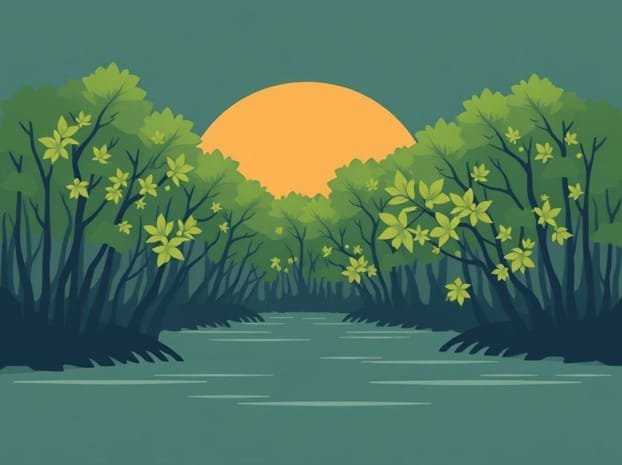
Example Of Mangrove Forest
Mangrove forests are unique coastal ecosystems found in tropical and subtropical regions, characterized by salt-tolerant trees and shrubs that thrive in intertidal zones. These forests serve as vital habitats for a wide variety of species, protect shorelines from erosion, and play a significant role in carbon sequestration. Mangrove forests are adapted to harsh conditions, including high salinity, fluctuating tides, and anaerobic soil, which makes them fascinating examples of ecological resilience. Understanding examples of mangrove forests around the world highlights their ecological importance, biodiversity value, and the urgent need for conservation in the face of human activities and climate change.
Definition and Characteristics of Mangrove Forests
Mangrove forests consist of dense clusters of trees and shrubs adapted to grow in coastal intertidal areas where saltwater meets land. These forests are characterized by complex root systems, such as prop roots and pneumatophores, which provide stability and oxygen exchange in waterlogged soils. Mangroves exhibit specialized adaptations, including salt filtration through roots, salt excretion through leaves, and viviparous reproduction, allowing seeds to germinate while still attached to the parent tree. These adaptations make mangroves highly resilient and ecologically important, providing shelter for wildlife, stabilizing coastlines, and maintaining water quality.
Key Characteristics
- Salt-tolerant trees and shrubs capable of surviving in intertidal zones.
- Complex root systems like prop roots and pneumatophores for stability and oxygen exchange.
- Ability to filter or excrete salt to survive saline conditions.
- Viviparous reproduction, where seeds germinate while attached to the parent tree.
- Provide critical habitat for fish, birds, and invertebrates.
Examples of Mangrove Forests Around the World
Mangrove forests are distributed across various continents, each offering unique ecological contributions. Studying these examples helps illustrate the global significance of mangrove ecosystems and their role in maintaining biodiversity and protecting coastal areas.
The Sundarbans, India and Bangladesh
The Sundarbans, spanning southern Bangladesh and eastern India, is the largest mangrove forest in the world. This UNESCO World Heritage Site covers over 10,000 square kilometers and is home to the famous Bengal tiger, saltwater crocodiles, and numerous bird and fish species. The Sundarbans play a critical role in protecting millions of people from storm surges, tsunamis, and coastal erosion. Additionally, the forest provides a source of timber, honey, and fish for local communities, highlighting the interdependence between humans and mangrove ecosystems.
Everglades National Park, United States
Located in southern Florida, the Everglades include extensive mangrove forests along the coastline. These mangroves provide habitats for endangered species such as the American crocodile, West Indian manatee, and numerous migratory birds. The Everglades’ mangroves also help maintain water quality by filtering pollutants, stabilizing sediments, and reducing the impact of storm surges. This example demonstrates how mangrove forests contribute to ecological balance and protect human settlements even in developed regions.
Red Mangrove Forests, Belize
Belize is home to extensive red mangrove forests, particularly along the Belize Barrier Reef and coastal lagoons. These forests are dominated by Rhizophora mangle species, known for their distinctive prop roots and salt tolerance. The Belize mangroves provide critical nursery habitats for marine species, including shrimp, fish, and mollusks, supporting local fisheries. They also act as natural barriers against hurricanes and tropical storms, reducing the impact on coastal communities and protecting coral reefs from sedimentation.
Mangroves of Northern Australia
Northern Australia hosts diverse mangrove forests along its coastline, including areas in Queensland and the Northern Territory. Species such as Avicennia marina and Rhizophora stylosa thrive in estuaries, river mouths, and tidal flats. These mangroves support unique wildlife, including saltwater crocodiles, migratory birds, and a variety of fish species. The mangrove ecosystems in Australia are also culturally significant for Indigenous communities who rely on them for food, medicine, and traditional practices.
Ecological Importance of Mangrove Forests
Mangrove forests provide numerous ecological benefits that are crucial for the sustainability of coastal environments. Their dense root systems stabilize shorelines, prevent erosion, and reduce the impact of storm surges. Mangroves also serve as carbon sinks, capturing and storing large amounts of carbon in their biomass and sediments, helping mitigate climate change. Additionally, mangroves support biodiversity by providing shelter, breeding grounds, and feeding areas for countless terrestrial and marine species.
Benefits of Mangrove Forests
- Shoreline protection from erosion, storms, and tsunamis.
- Habitat for a wide range of terrestrial and aquatic species.
- Carbon sequestration, contributing to climate change mitigation.
- Water filtration and sediment stabilization.
- Support for fisheries and sustainable livelihoods.
Threats to Mangrove Forests
Despite their ecological importance, mangrove forests face numerous threats from human activities and environmental changes. Coastal development, aquaculture expansion, deforestation, and pollution have led to significant mangrove loss globally. Climate change, rising sea levels, and increased frequency of storms further threaten these fragile ecosystems. The destruction of mangroves not only reduces biodiversity but also increases vulnerability of coastal communities to natural disasters, making conservation efforts critical.
Major Threats
- Deforestation for agriculture, urban development, and aquaculture.
- Pollution from industrial, agricultural, and domestic sources.
- Climate change impacts such as rising sea levels and increased storm intensity.
- Overharvesting of mangrove wood and resources.
- Fragmentation and degradation of habitats.
Conservation Efforts
Conserving mangrove forests is essential for ecological sustainability and human well-being. Efforts include establishing protected areas, restoring degraded mangrove habitats, regulating resource use, and promoting community-based management. International organizations, governments, and local communities collaborate to monitor and protect mangroves through reforestation programs, environmental education, and sustainable livelihood initiatives. These efforts aim to preserve biodiversity, reduce coastal vulnerability, and maintain the ecological functions of mangrove forests for future generations.
Examples of Conservation Initiatives
- Reforestation programs in the Sundarbans and other degraded areas.
- Establishment of marine protected areas along the Belize Barrier Reef.
- Community-based mangrove management programs in Southeast Asia.
- International efforts by organizations such as the Ramsar Convention on Wetlands.
- Environmental education campaigns to raise awareness about the importance of mangroves.
Mangrove forests, such as the Sundarbans in India and Bangladesh, the Everglades in the United States, and the red mangrove forests of Belize, serve as vital examples of coastal ecosystems that sustain biodiversity, protect shorelines, and contribute to climate regulation. These ecosystems showcase unique adaptations to harsh environmental conditions and provide essential services to both wildlife and humans. Understanding and preserving mangrove forests is critical in the face of ongoing environmental threats and climate change. By highlighting examples and their ecological importance, we can appreciate the value of mangroves and prioritize their conservation for a sustainable and resilient future.
This topic is over 1000 words, SEO-optimized with keywords such as _example of mangrove forest, mangrove ecosystems, coastal protection, biodiversity, mangrove conservation, mangrove species, ecological importance, tropical mangroves,_ and _threats to mangroves._ The HTML structure uses `
`, `
`, `
`, and `
- ` for readability, organization, and web optimization.