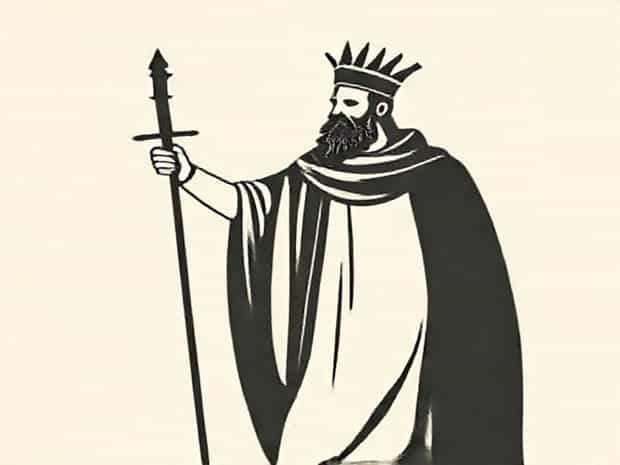
Everyman As An Allegorical Play
Everyman is widely regarded as one of the most significant examples of allegorical drama in English literature. Written in the late fifteenth century, this morality play uses personification and symbolic characters to explore themes of life, death, and salvation. Unlike typical plays that focus solely on entertainment, Everyman aims to instruct and remind audiences about spiritual truths and moral responsibilities. Its enduring popularity lies in its ability to communicate complex theological concepts through a simple, dramatic narrative that resonates with audiences across centuries. By examining Everyman as an allegorical play, we can understand how its structure, characters, and themes reflect the medieval worldview and continue to provide lessons relevant even in modern times.
Definition and Nature of Allegorical Plays
Allegorical plays are dramatic works where characters, events, and settings represent abstract ideas or moral qualities. These plays often aim to convey ethical, religious, or philosophical messages rather than purely focusing on realistic storytelling. In allegorical drama, every character is symbolic, and their interactions are meant to illustrate moral lessons. Everyman exemplifies this tradition by using characters such as Fellowship, Goods, Knowledge, and Death to personify human traits, spiritual challenges, and divine judgment. The allegorical nature of the play allows audiences to engage with moral and religious ideas in a direct and memorable way.
The Historical Context of Everyman
Everyman was written during the late medieval period, a time when morality plays were popular in England and across Europe. The play reflects the religious and social concerns of the era, particularly the preoccupation with salvation, the transient nature of earthly life, and the inevitability of death. During this period, the church played a central role in daily life, and theater was often used as a tool for teaching moral lessons to largely illiterate audiences. Everyman aligns with this purpose by presenting a clear narrative that emphasizes repentance, divine judgment, and the importance of leading a virtuous life.
Main Characters and Their Allegorical Significance
The characters in Everyman are not fully developed as individuals but serve symbolic functions that highlight moral and spiritual lessons. Each character represents a different aspect of human life or divine guidance.
Everyman
The protagonist, Everyman, represents ordinary humanity. His journey reflects the universal experience of life, the inevitability of death, and the need to account for one’s deeds before God. Everyman’s transformation from ignorance and complacency to repentance and spiritual awareness underscores the play’s central moral message.
Death
Death is a personified force in the play, reminding audiences of the certainty and impartiality of mortality. Death’s role is pivotal as it initiates Everyman’s journey and serves as a catalyst for self-examination and reflection.
Good Deeds
Good Deeds represents Everyman’s moral and virtuous actions. Initially weak and helpless, Good Deeds gains strength as Everyman repents and seeks spiritual redemption, emphasizing the importance of a virtuous life in preparing for judgment.
Knowledge
Knowledge guides Everyman on his spiritual journey, leading him toward confession and reconciliation with God. This character illustrates the necessity of awareness and understanding in the pursuit of salvation.
Fellowship, Goods, and Other Characters
Characters such as Fellowship, Goods, and Kindred symbolize worldly attachments, friendships, and material possessions. Their abandonment of Everyman in his time of need highlights the transient and unreliable nature of earthly attachments, contrasting with the enduring significance of moral and spiritual values.
The Plot and Moral Lessons
Everyman begins with God summoning Death to summon Everyman for judgment. Alarmed by the prospect of facing death and the afterlife, Everyman seeks companionship and assistance. Initially, he turns to Fellowship, Kindred, and Goods, only to find that worldly friends and possessions cannot accompany him beyond death. Eventually, Everyman discovers that Good Deeds, aided by Knowledge, is the only force that can support him on his spiritual journey. The play concludes with Everyman’s repentance, confession, and ultimate redemption, reinforcing the moral lessons of accountability, the futility of materialism, and the necessity of virtuous living.
Key Themes in Everyman
- The Inevitability of DeathDeath comes for everyone, regardless of social status or wealth, emphasizing the universal nature of mortality.
- Spiritual AccountabilityIndividuals must reflect on their actions and strive for moral rectitude, as only good deeds endure beyond life.
- The Futility of Earthly PleasuresWealth, possessions, and worldly relationships cannot aid in salvation, highlighting the ephemeral nature of material concerns.
- Repentance and RedemptionThe path to spiritual fulfillment requires acknowledgment of sins, moral effort, and reconciliation with divine will.
Structure and Style of the Play
Everyman is written in Middle English and follows a straightforward, linear narrative that is easy to follow. The play employs rhyme and rhythmic patterns to aid memorization and oral performance, which was crucial for medieval audiences. Its episodic structure allows the protagonist’s journey to unfold step by step, reinforcing the moral and spiritual lessons through each encounter with allegorical characters. The use of personification, symbolic interactions, and didactic dialogue makes Everyman an effective example of allegorical drama.
Use of Symbolism
Symbolism is central to Everyman’s impact. Characters, objects, and events are not merely functional within the narrative but serve to communicate ethical and theological ideas. The abandonment by worldly companions symbolizes human dependence on ephemeral pleasures, while the support from Good Deeds emphasizes the enduring value of virtuous actions.
The Enduring Relevance of Everyman
Even in contemporary times, Everyman resonates with audiences due to its exploration of universal human concerns. Themes of mortality, moral responsibility, and spiritual reflection remain relevant, and the play’s allegorical approach allows it to be adapted for modern audiences while preserving its instructive purpose. Many theatrical productions, literary studies, and educational curricula continue to feature Everyman as a classic example of morality and allegory, demonstrating its lasting influence on literature and culture.
Everyman stands as a quintessential allegorical play that combines moral instruction with dramatic storytelling. By personifying abstract concepts such as Good Deeds, Knowledge, and Death, the play conveys profound lessons about life, mortality, and spiritual accountability. Its historical context, symbolic characters, and enduring themes make it a vital part of the study of medieval drama and English literature. As an allegorical play, Everyman not only entertained audiences of its time but also provided ethical guidance, a tradition that continues to inspire and educate readers and viewers today. The clarity of its moral messages, the simplicity of its structure, and the universal appeal of its themes ensure that Everyman remains a timeless work in the canon of English literature.