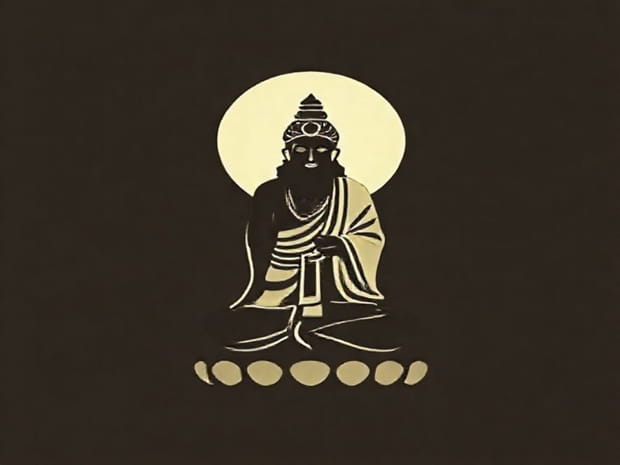
Essay On Sankardev In Assamese
Among the many cultural and spiritual icons of India, Srimanta Sankardev holds a special place in the history of Assam. He was not only a saint and philosopher but also a poet, playwright, social reformer, and cultural unifier. Born in the 15th century, Sankardev’s teachings and contributions continue to shape Assamese society, literature, art, and religion even today. His vision of a more equal and spiritually awakened community gave rise to a cultural renaissance in Assam. Writing an essay on Sankardev in Assamese or English is an opportunity to explore his immense impact on spirituality, literature, and social life. To truly understand him, one must dive into his philosophy, his works, and the movements he inspired that still influence Assamese people in the modern era.
Early Life of Sankardev
Sankardev was born in 1449 at Alipukhuri, near Bardowa in Assam. His childhood was marked by a deep interest in spirituality and the pursuit of wisdom. Though he lost his parents at an early age, his grandfather raised him and ensured that he was exposed to education and culture. From the beginning, Sankardev showed remarkable talent in poetry and devotion to God. His life was guided by an inner calling to spread a simple, pure form of worship that emphasized devotion (bhakti) over rituals. This made him stand out from many other thinkers of his time who focused heavily on orthodoxy.
Sankardev and the Bhakti Movement
One of the most important aspects of Sankardev’s legacy was his role in the Bhakti movement in Assam. The Bhakti movement, which spread across India during medieval times, focused on personal devotion to God, rejecting caste-based divisions and complex rituals. Sankardev introducedEkasarana Dharma, a monotheistic form of devotion that emphasized surrendering to one God, Lord Krishna. This practice united people from different backgrounds and gave them a common spiritual ground. Through this movement, Sankardev brought together art, music, dance, and literature as mediums to connect with the divine, making religion accessible to the common people.
Literary Contributions of Sankardev
Sankardev was a prolific writer and poet. He composed numerous works that remain central to Assamese literature. Some of his major contributions include
- Borgeets– devotional songs dedicated to Lord Krishna, still sung in Assamese temples and homes.
- Ankiya Naat– one-act plays written in Assamese that blended spirituality with entertainment.
- Bhagavat Purana translations– Sankardev made sacred texts available to ordinary Assamese people by rendering them in the local language.
These works were not just literary achievements but also vehicles for spreading his teachings. The simple language and engaging style allowed even uneducated villagers to connect with profound spiritual ideas.
Sankardev’s Role in Performing Arts
Another remarkable contribution of Sankardev was the development of performing arts in Assam. He establishedSattriyadance, which later gained recognition as one of the classical dance forms of India. His plays, music, and dances were performed in community prayer halls calledNamgharsandSattras. These places became centers of cultural and spiritual life where people gathered to pray, perform, and celebrate together. Through these institutions, Sankardev created a unique fusion of art and religion, ensuring that his philosophy was deeply rooted in everyday life.
Social Reforms Introduced by Sankardev
Sankardev was not just a religious leader; he was also a social reformer. His teachings challenged the rigid caste system that dominated Indian society. He believed in equality and welcomed people from all walks of life into his fold. This inclusiveness helped reduce social discrimination and brought unity among diverse communities in Assam. By focusing on devotion and morality rather than birth-based hierarchies, Sankardev created a more progressive and harmonious society.
Philosophy of Sankardev
The philosophy of Sankardev was rooted in the principles of devotion, simplicity, and inclusivity. HisEkasarana Dharmataught that surrendering to one God with pure devotion was more important than rituals or sacrifices. He emphasized values such as compassion, humility, and brotherhood, which remain relevant even today. This philosophy not only shaped religious practices in Assam but also influenced social interactions and cultural identity.
Influence on Assamese Identity
The legacy of Sankardev is deeply intertwined with the identity of Assam. His creation ofNamgharsserved as both religious and cultural hubs where communities came together, prayed, and resolved disputes. His literature and music enriched Assamese language and culture, ensuring its preservation and growth. Festivals, dramas, and songs inspired by Sankardev’s teachings continue to play a significant role in shaping Assamese cultural pride. Without him, the cultural landscape of Assam would not be what it is today.
Continuing Relevance of Sankardev
Even centuries after his time, Sankardev remains a guiding light for people in Assam and beyond. His emphasis on unity, equality, and devotion has modern significance in a world divided by caste, religion, and social barriers. TheNamgharshe established still function as places of worship and community bonding. The performing arts inspired by him continue to thrive, and his works are studied in literature and philosophy. His message of universal brotherhood makes him a timeless figure whose teachings transcend boundaries of culture and era.
Srimanta Sankardev was more than just a saint or poet; he was the architect of Assamese cultural and spiritual life. His contributions to literature, music, dance, and social reform made him a transformative figure who brought a renaissance in Assam. Writing an essay on Sankardev in Assamese or English allows us to appreciate his enduring influence on society. His legacy continues to inspire people to live with devotion, equality, and compassion. Sankardev’s vision of harmony and spiritual awakening remains a beacon for generations, making him one of the greatest figures not just in Assam, but in the cultural history of India.