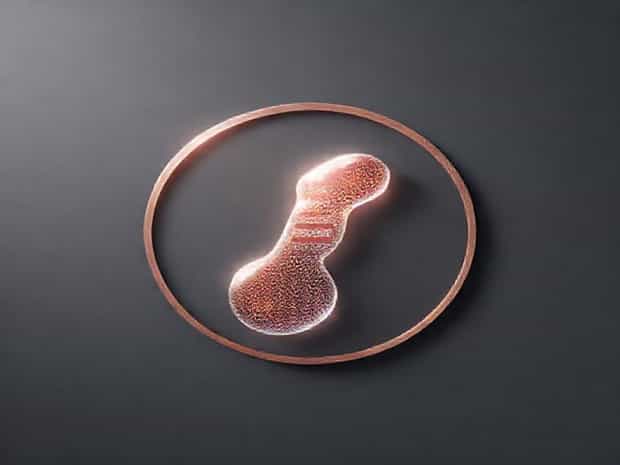
Enzyme Immobilization:The Quest For Optimum Performance
Enzymes have long been recognized as powerful biological catalysts that make countless industrial and medical processes possible. However, in their natural free form, enzymes can be unstable, difficult to reuse, and sensitive to environmental conditions. This is where enzyme immobilization enters the discussion. By attaching enzymes to solid supports or confining them within specific materials, scientists and engineers seek to create systems that provide stability, reusability, and enhanced performance. The quest for optimum performance in enzyme immobilization is not just a technical challenge, but also a key factor in making sustainable biotechnological solutions widely accessible.
Understanding Enzyme Immobilization
Enzyme immobilization refers to the technique of fixing enzymes to a surface or within a matrix while still maintaining their catalytic activity. Unlike free enzymes, immobilized ones can be more stable and easily separated from reaction mixtures, making them highly practical for industrial use. The ultimate goal is to achieve high efficiency, prolonged activity, and reduced costs during processes such as food production, pharmaceuticals, wastewater treatment, and biofuel development.
Why Immobilize Enzymes?
Several reasons explain why enzyme immobilization is a preferred approach in biotechnology
- Enhanced stabilityImmobilized enzymes often withstand changes in pH, temperature, and chemical environments better than free enzymes.
- ReusabilityOnce attached to a support, enzymes can be recovered and reused multiple times without significant loss of activity.
- Process efficiencyImmobilization allows continuous processes where enzymes remain in the system instead of being lost in the product.
- Cost-effectivenessLower enzyme consumption reduces overall costs, which is critical for large-scale operations.
Methods of Enzyme Immobilization
Different techniques have been developed for enzyme immobilization, and each method has unique advantages and limitations. Selecting the best approach depends on the type of enzyme, the intended application, and the desired balance between activity and stability.
Physical Adsorption
This is the simplest method where enzymes adhere to a support material through weak forces such as hydrogen bonds, van der Waals interactions, or ionic bonds. While inexpensive and easy to perform, the enzymes may detach under certain conditions, which reduces long-term stability.
Covalent Bonding
In this approach, enzymes are chemically bound to a support via covalent bonds. This creates strong and stable attachments, significantly improving durability. However, improper bonding may alter the enzyme’s active site, reducing its catalytic efficiency.
Entrapment
Enzymes can be trapped within gels, fibers, or polymer matrices. This method protects enzymes from harsh external environments, but sometimes mass transfer limitations occur, slowing down the reaction.
Encapsulation
Encapsulation involves surrounding enzymes within semi-permeable membranes or capsules. This method provides strong protection and allows substrates to diffuse through, but it may restrict enzyme-substrate contact if not carefully designed.
Cross-Linking
Enzymes are interconnected with each other using multifunctional reagents, forming large aggregates. Cross-linked enzyme aggregates (CLEAs) are highly stable and often more resistant to denaturation. Yet, the process can sometimes lead to reduced flexibility and activity.
Factors Influencing Optimum Performance
The success of enzyme immobilization depends on balancing several factors. Scientists must carefully optimize conditions to achieve the best performance
- Choice of support materialNatural and synthetic materials, such as silica, alginate, or polymers, influence how well enzymes retain activity.
- Enzyme loadingToo much enzyme on a support can lead to crowding, while too little reduces efficiency.
- Reaction conditionsTemperature, pH, and solvent type must be adjusted to ensure immobilized enzymes work at their best.
- Mass transferSubstrate molecules must be able to reach the enzyme’s active sites easily, which requires careful design of the support structure.
Applications of Immobilized Enzymes
Immobilized enzymes have revolutionized multiple industries by providing more efficient and sustainable processes. Some important applications include
Food and Beverage Industry
Enzyme immobilization is widely used in the production of lactose-free milk, wine clarification, and sugar processing. For example, lactase enzymes immobilized on resins allow continuous processing of milk without contaminating the product.
Pharmaceutical Industry
In drug manufacturing, immobilized enzymes improve the precision of reactions. They are used in producing antibiotics, anti-inflammatory agents, and even in the synthesis of active pharmaceutical ingredients with fewer byproducts.
Biofuel Production
The push for renewable energy has highlighted the importance of immobilized enzymes in bioethanol and biodiesel production. They help break down complex biomass into fermentable sugars, reducing energy consumption and improving yields.
Environmental Biotechnology
Immobilized enzymes play a vital role in wastewater treatment by breaking down harmful compounds. They are also applied in biosensors for detecting pollutants and toxins with high sensitivity.
Challenges in Enzyme Immobilization
Despite its advantages, enzyme immobilization faces several challenges that must be addressed to achieve optimum performance
- Activity lossSome methods may alter the enzyme structure, leading to reduced catalytic efficiency.
- High initial costDeveloping immobilization systems can be expensive, although they save money in the long run.
- Scalability issuesProcesses that work in laboratories may not always translate easily to industrial scales.
- Mass transfer limitationsSupports must be designed to allow free movement of substrates and products.
Future Directions in Enzyme Immobilization
The quest for optimum performance in enzyme immobilization continues to inspire innovation. Advances in nanotechnology, biotechnology, and material science are opening new doors for designing better supports and more efficient immobilization techniques. For example, nanoptopics and nanofibers provide high surface areas for enzyme binding, enhancing efficiency. Genetic engineering may also produce enzymes specifically tailored for immobilization, further improving outcomes.
Sustainability and Green Chemistry
Immobilized enzymes align with the principles of green chemistry, as they reduce waste, minimize the need for harsh chemicals, and lower energy consumption. The growing demand for eco-friendly processes ensures that immobilization will remain central in the shift toward sustainable industries.
Enzyme immobilization represents a powerful tool in biotechnology, offering stability, reusability, and efficiency. The journey toward optimum performance involves balancing enzyme activity with durability, selecting appropriate methods, and tailoring systems to specific applications. From food production to pharmaceuticals and biofuels, immobilized enzymes are shaping the future of science and industry. As technology evolves, the potential for achieving greater stability and efficiency in enzyme systems continues to expand, making this field one of the most promising in modern biotechnology.