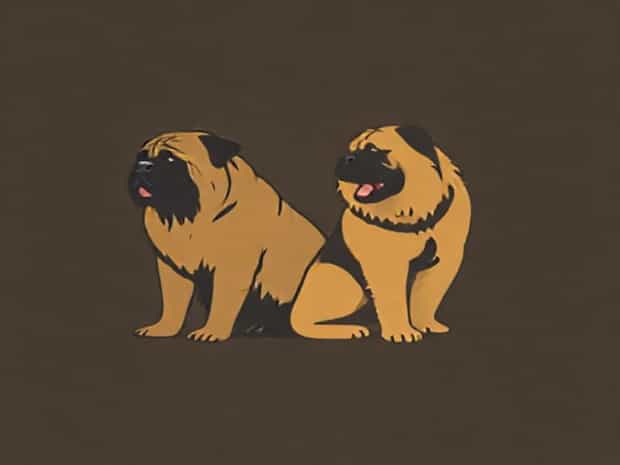
English Mastiff Vs Tibetan Mastiff
The world of dog breeds offers a wide variety of choices for families and individuals looking for loyal companions, and among the largest and most majestic breeds are the English Mastiff and the Tibetan Mastiff. Both breeds are renowned for their impressive size, imposing presence, and protective nature, but they differ significantly in temperament, history, grooming needs, and lifestyle suitability. Understanding these differences can help prospective dog owners make informed decisions about which breed aligns best with their living conditions, personality, and expectations for companionship.
Origin and History
English Mastiff
The English Mastiff is one of the oldest known dog breeds, with a history that traces back over 2,000 years to ancient Britain. Originally, these dogs were used as guard dogs, hunters of large game, and war dogs. Their immense size and strength made them ideal for protecting estates and herding livestock, as well as defending their human families. Over the centuries, the breed was refined in England to emphasize size, temperament, and loyalty, becoming the gentle giant known today.
Tibetan Mastiff
The Tibetan Mastiff, on the other hand, originates from the Himalayan region of Tibet and Nepal. Traditionally, these dogs were used by nomadic herders to guard livestock and protect monasteries. They were bred to withstand extreme climates, with thick double coats that protect them from cold, snow, and high-altitude conditions. The Tibetan Mastiff has maintained much of its natural guarding instincts and independent temperament due to its origins as a working dog in harsh environments.
Size and Physical Appearance
English Mastiff
English Mastiffs are renowned for their massive build. Adult males typically weigh between 160 to 230 pounds, while females range from 120 to 200 pounds. They have a broad head, a square-shaped muzzle, drooping lips, and dark, expressive eyes. Their coat is short, dense, and comes in colors such as fawn, apricot, and brindle. Despite their size, they carry a calm and dignified presence, often described as gentle giants.
Tibetan Mastiff
The Tibetan Mastiff is slightly less bulky but still substantial in size. Males can weigh between 90 to 150 pounds, and females between 70 to 120 pounds. They possess a thick double coat that can appear lion-like, especially around the neck and shoulders, which helps them survive in harsh climates. Their coat comes in various colors, including black, brown, gold, and combinations of these. The Tibetan Mastiff also has almond-shaped eyes, a broad head, and a bushy tail that curls over the back.
Temperament and Personality
English Mastiff
English Mastiffs are known for their gentle and calm demeanor. They are loyal, affectionate, and protective without being overly aggressive. They tend to form strong bonds with their family members and are often patient with children. However, their size means they require supervision around small children to avoid accidental injuries. English Mastiffs are generally easygoing, but they may be reserved or wary around strangers, making them effective watchdogs without excessive aggression.
Tibetan Mastiff
Tibetan Mastiffs have a more independent and territorial personality. They are naturally protective and can be aloof with strangers, making early socialization essential. This breed requires a confident and experienced owner who can establish clear boundaries. Tibetan Mastiffs are intelligent and can be stubborn, which may pose challenges in training. They have a strong guarding instinct and are excellent at monitoring property and livestock, often acting independently without direct supervision.
Exercise and Activity Needs
English Mastiff
Despite their imposing size, English Mastiffs are relatively low-energy dogs. They enjoy daily walks and moderate playtime but are not as active as some other large breeds. They are prone to joint issues due to their size, so high-impact activities should be limited. English Mastiffs thrive in homes where they can relax indoors and have ample space to move comfortably.
Tibetan Mastiff
Tibetan Mastiffs require more exercise and mental stimulation compared to English Mastiffs. Their working background makes them alert, agile, and capable of patrolling large areas. They benefit from long walks, outdoor play, and tasks that engage their natural guarding instincts. Owners with ample outdoor space or rural environments are ideal for this breed, as confinement in small apartments can lead to boredom and behavioral issues.
Grooming and Maintenance
English Mastiff
English Mastiffs have short coats that require minimal grooming. Weekly brushing is usually sufficient to remove loose hair and maintain coat health. Bathing is needed occasionally, and regular ear cleaning, nail trimming, and dental care are essential to keep them healthy. Their grooming needs are relatively low, making them easier to maintain for busy families.
Tibetan Mastiff
Tibetan Mastiffs require significantly more grooming due to their thick double coat. Regular brushing several times a week is necessary to prevent matting and remove loose hair, especially during shedding seasons. Bathing is less frequent but should be done carefully to preserve natural oils. Proper grooming is crucial for their comfort and health, particularly in climates different from their native Himalayan region.
Health Considerations
English Mastiff
English Mastiffs have a lifespan of 6 to 10 years, which is typical for giant breeds. They are prone to health issues such as hip dysplasia, elbow dysplasia, and bloat (gastric torsion). Regular veterinary check-ups, a balanced diet, and controlled exercise are essential for their well-being.
Tibetan Mastiff
Tibetan Mastiffs live slightly longer, averaging 10 to 14 years. Common health concerns include hip dysplasia, hypothyroidism, and certain eye conditions. Their thick coat also requires attention in warmer climates to prevent overheating. Preventive healthcare, proper nutrition, and routine veterinary visits are key to maintaining their health.
Choosing Between an English Mastiff and a Tibetan Mastiff
Choosing between an English Mastiff and a Tibetan Mastiff depends largely on lifestyle, experience, and expectations from the dog. English Mastiffs are ideal for families seeking a gentle giant that is affectionate and calm, requiring moderate exercise and minimal grooming. Tibetan Mastiffs are better suited for experienced dog owners who can handle an independent, protective, and more active breed, particularly in homes with large outdoor spaces.
Both English Mastiffs and Tibetan Mastiffs are magnificent breeds, each with unique qualities that appeal to different types of dog owners. Understanding their history, temperament, exercise requirements, grooming needs, and health considerations is crucial before making a decision. While the English Mastiff embodies calm loyalty and gentle companionship, the Tibetan Mastiff represents independence, guarding instincts, and majestic presence. By considering these factors, prospective owners can choose a breed that fits their home, lifestyle, and long-term commitment, ensuring a rewarding and harmonious relationship with their canine companion.