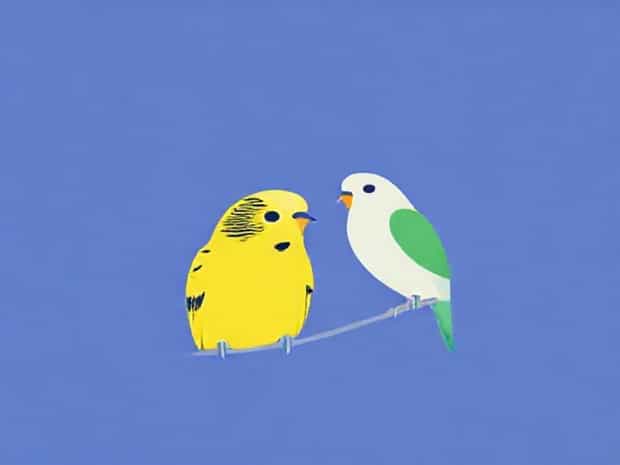
English Budgie Vs Parakeet
When considering a pet bird, many people often encounter the terms English Budgie and Parakeet, and while they are closely related, there are distinct differences worth understanding. English Budgies and Parakeets both belong to the Melopsittacus undulatus species, commonly known as budgerigars, but selective breeding and habitat adaptations have created variations that affect their appearance, temperament, and care needs. For bird enthusiasts or potential pet owners, knowing the differences between these birds can help make an informed choice that matches lifestyle, space, and desired interaction level. This guide explores the key distinctions, characteristics, and considerations for English Budgies versus Parakeets.
Origins and Breeding
Both English Budgies and standard Parakeets trace their lineage to Australia, where wild budgerigars live in large flocks and display naturally green and yellow plumage. The term Parakeet is often used broadly to refer to these small, long-tailed birds kept as pets. Over decades, selective breeding in Europe and America led to the English Budgie, also known as the show budgie, which has distinct physical traits and a calmer demeanor compared to the more energetic and smaller standard Parakeet.
Selective Breeding of English Budgies
English Budgies are bred primarily for exhibitions and show purposes. Breeders focus on traits such as size, posture, head shape, and feather clarity. Compared to the Australian-type or standard Parakeet, English Budgies are larger, have fuller heads, thicker bodies, and a more rounded appearance. Their calm temperament and striking coloration make them popular among hobbyists who prefer birds that are both visually impressive and manageable.
Physical Differences
One of the most noticeable distinctions between English Budgies and standard Parakeets is their physical appearance. These differences include size, body shape, head structure, and feather patterns.
Size and Body Shape
- English BudgieLarger, heavier, and more robust with a fuller chest and thicker neck. Typically around 7-8 inches in length.
- ParakeetSmaller and more slender, averaging around 6 inches in length, with a more streamlined body ideal for active flying.
Head and Facial Features
- English BudgieRounded head with pronounced cheeks and a broad, flat forehead. This gives them a distinctive show-quality appearance.
- ParakeetSmaller, narrow head with a more angular face. The forehead is less pronounced, reflecting their wild ancestors’ features.
Feather and Coloration
While both types of birds display vibrant colors, English Budgies often have clearer, more uniform feather patterns due to selective breeding. Standard Parakeets may have more naturalistic markings with a mixture of green, yellow, and black barring, giving them a lively and wild appearance. English Budgies’ feathers are prized for symmetry and clarity, which is particularly valued in show birds.
Temperament and Behavior
The behavior and personality of these birds can influence their suitability as pets. Understanding the differences in energy levels, sociability, and training ability is important for potential owners.
English Budgie Personality
English Budgies are generally calmer and less hyperactive than standard Parakeets. Their larger size and less active nature make them easier to handle, especially for children or first-time bird owners. They enjoy human interaction and can be trained to perform simple tricks or perch comfortably on hands. However, they may not fly as actively due to their body mass.
Parakeet Personality
Standard Parakeets are energetic, agile, and playful. They enjoy flying, exploring, and social interaction with other birds. While they can also bond with humans, their smaller size and high activity level make them more suitable for owners who can provide ample space and stimulation. Parakeets are more likely to exhibit curious and mischievous behaviors, which can be entertaining but require supervision.
Caring for English Budgies and Parakeets
Although both birds have similar basic care needs, slight differences exist due to size, temperament, and energy levels.
Housing
- English BudgieRequires a cage with more floor space and height to accommodate their larger size. They appreciate perches of varying diameters to support foot health.
- ParakeetCan thrive in slightly smaller cages but need extra space for flying and climbing. Horizontal bars are preferable for climbing and exercise.
Diet
Both types thrive on a balanced diet consisting of high-quality seeds, pellets, fresh fruits, and vegetables. English Budgies may require slightly more food due to their larger body size, while Parakeets need a diet rich in nutrients to support their high activity levels.
Exercise and Social Interaction
Parakeets benefit from daily out-of-cage flight time and interactive play. English Budgies, while less active, also enjoy gentle interaction and mental stimulation. Both types require social engagement to prevent boredom and maintain mental health.
Health Considerations
Both English Budgies and Parakeets are susceptible to similar health issues, including respiratory infections, feather plucking, and obesity. The larger size of English Budgies may make them more prone to joint or foot problems if their cage and perches are not appropriately sized. Regular check-ups with an avian veterinarian, a balanced diet, and clean living conditions help mitigate these risks.
Choosing Between an English Budgie and a Parakeet
Choosing the right bird depends on lifestyle, experience, and the type of interaction desired. English Budgies are ideal for owners seeking a calm, visually impressive pet that is easier to handle and interact with directly. Standard Parakeets are better suited for owners who enjoy high-energy birds that fly, explore, and engage in lively activity. Both birds can form strong bonds with humans, but their care requirements differ in subtle ways that should influence the decision.
Factors to Consider
- Available space and cage size
- Desired level of interaction and handling
- Time available for out-of-cage activity and play
- Preference for a show-quality appearance versus naturalistic traits
- Experience with bird care and handling
English Budgies and Parakeets offer unique experiences for bird enthusiasts. Understanding the distinctions in size, appearance, temperament, and care requirements is crucial for selecting a pet that aligns with one’s lifestyle and expectations. English Budgies provide a calm, larger, and show-worthy companion, while Parakeets deliver lively, active, and playful interaction reminiscent of their wild counterparts. Both species enrich homes with their charm, intelligence, and social nature, but thoughtful consideration of their differences ensures a rewarding and harmonious relationship between bird and owner.