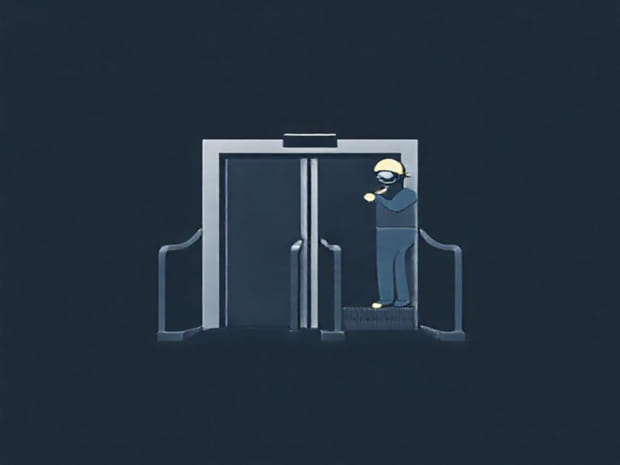
Elevator And Escalator Installers And Repairers
Modern cities rely heavily on elevators and escalators to keep people moving efficiently through tall buildings, shopping centers, airports, and transit hubs. These machines are so common that most people rarely think about them until they stop working. Behind the smooth operation of elevators and escalators are highly skilled professionals known as elevator and escalator installers and repairers. Their work ensures safety, convenience, and accessibility in everyday life. Exploring their role gives insight into a profession that blends mechanics, electronics, and problem-solving while supporting the backbone of urban infrastructure.
Who Are Elevator and Escalator Installers and Repairers?
Elevator and escalator installers and repairers are specialized tradespeople who assemble, maintain, and fix vertical and horizontal transport systems. These workers handle equipment such as passenger elevators, freight elevators, moving walkways, chairlifts, and escalators. Their primary goal is to make sure the machines operate safely, smoothly, and efficiently. The job requires technical expertise, physical stamina, and strict attention to safety standards because the equipment they service carries thousands of people daily.
Typical Duties and Responsibilities
The work of installers and repairers goes beyond simply fixing broken parts. Their role includes installation, routine maintenance, emergency repairs, and modernizing older equipment. Some of their main duties include
- Reading and interpreting blueprints, technical drawings, and wiring diagrams.
- Installing new elevator or escalator systems in buildings under construction.
- Conducting routine inspections to check safety mechanisms, cables, motors, and brakes.
- Troubleshooting electrical or mechanical issues when equipment malfunctions.
- Replacing worn-out parts such as bearings, switches, or control systems.
- Testing completed installations and repairs to ensure compliance with safety codes.
- Responding to emergency service calls when elevators or escalators stop unexpectedly.
Skills Needed for the Job
Elevator and escalator repairers need a combination of mechanical, electrical, and problem-solving skills. They often work in tight spaces, at significant heights, or in noisy environments. The most important skills for this career include
- Mechanical knowledgeUnderstanding gears, motors, hydraulics, and cables.
- Electrical expertiseWorking with circuits, wiring, and computerized controls.
- Attention to detailIdentifying potential issues before they cause major breakdowns.
- Physical strengthHandling heavy tools and machine parts.
- CommunicationExplaining problems and solutions clearly to clients or building managers.
- Safety awarenessFollowing strict guidelines to protect themselves and the public.
Work Environment
Installers and repairers often work indoors, but the conditions vary. For instance, they may spend time in elevator shafts, machine rooms, or beneath escalators. These environments can be cramped, dimly lit, and sometimes hazardous if safety precautions are not followed. The job may also require being on-call for emergencies, meaning workers must be ready to respond quickly when problems arise. While the work can be physically demanding, it is also highly rewarding, as it directly impacts public safety and convenience.
Training and Education
Most elevator and escalator technicians enter the field through apprenticeship programs. These programs typically last four years and combine classroom instruction with hands-on training. Apprentices learn electrical theory, mechanical systems, electronics, safety regulations, and blueprint reading. In addition, they gain valuable on-the-job experience under the guidance of experienced professionals.
Although a college degree is not required, a high school diploma or equivalent is usually necessary. Courses in mathematics, physics, and shop classes provide a strong foundation. Certification or licensing may also be required, depending on local regulations, to demonstrate competency and ensure adherence to safety standards.
Job Outlook and Demand
The demand for elevator and escalator installers and repairers remains strong due to the continued growth of urban infrastructure. As cities expand and buildings get taller, the need for reliable vertical and horizontal transport systems increases. Additionally, aging elevators and escalators require constant maintenance, upgrades, or replacement. This ensures steady job opportunities for skilled technicians.
Another factor contributing to demand is the growing focus on accessibility. Public buildings, healthcare facilities, and transit systems increasingly rely on elevators and escalators to serve people with mobility challenges. This further boosts the importance of qualified installers and repairers in maintaining these systems.
Earnings and Benefits
This profession is often considered one of the highest-paying skilled trades. Wages vary by location, experience, and employer, but many technicians earn competitive salaries along with benefits such as health insurance, retirement plans, and overtime pay. Apprentices usually earn a lower wage at first, but their pay increases as they gain skills and experience. For fully qualified technicians, the financial rewards reflect the critical nature of their work and the high level of responsibility involved.
Challenges of the Job
While the career offers many rewards, it also presents unique challenges. These include
- Working in hazardous environments such as elevator shafts or near heavy machinery.
- Handling emergency calls at inconvenient hours.
- Exposure to loud noises, grease, and dust.
- Physical demands such as lifting heavy parts and climbing ladders.
- Staying updated with rapidly changing technology in computerized elevator systems.
Technological Advances in Elevators and Escalators
Elevator and escalator technology has advanced significantly in recent years. Modern systems use computer-controlled mechanisms, energy-efficient motors, and even smart features like destination control systems that group passengers by floor for efficiency. Repairers and installers must keep up with these developments by learning about digital controls, advanced diagnostics, and eco-friendly designs. Continuous education and training are essential for staying competitive in the field.
Why This Career Matters
The importance of elevator and escalator installers and repairers cannot be overstated. Without them, high-rise living and large commercial centers would not function smoothly. These professionals keep buildings accessible for people with disabilities, ensure safety for millions of passengers daily, and support the economic functioning of cities. Their expertise contributes to both convenience and public trust in modern infrastructure.
Elevator and escalator installers and repairers are essential workers who keep urban life moving. Their job requires a rare blend of mechanical and electrical skills, problem-solving ability, and an unwavering focus on safety. With steady demand, strong wages, and opportunities to work with advanced technology, this career path remains an attractive option for individuals seeking hands-on, meaningful work. While the job comes with challenges, the satisfaction of ensuring safety and convenience for countless people makes it one of the most respected skilled trades in today’s world.