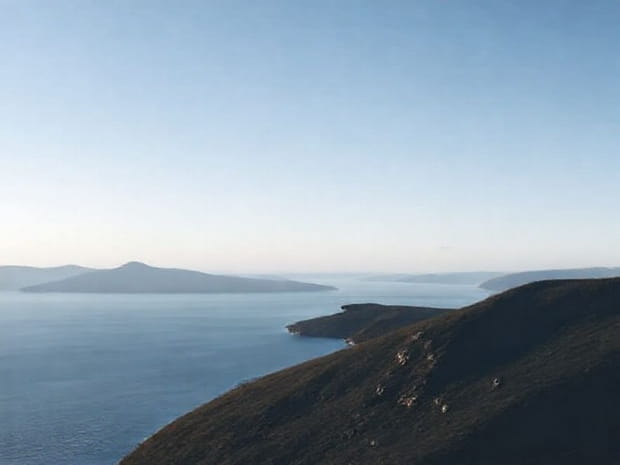
Elevation Of Wineglass Bay Lookout
Wineglass Bay Lookout in Tasmania is one of the most famous viewpoints in Australia, drawing travelers from around the world who want to experience its breathtaking coastal scenery. Perched high above the turquoise waters and pristine white sands of Wineglass Bay, the lookout offers sweeping views that make the climb well worth the effort. Many visitors are curious about the elevation of Wineglass Bay Lookout and how the height influences the panoramic perspective. Understanding its elevation, along with the surrounding geography, helps explain why this natural vantage point has become such an iconic destination.
Understanding the Elevation of Wineglass Bay Lookout
The elevation of Wineglass Bay Lookout is approximately 200 meters (656 feet) above sea level. This height places it at just the right point to provide unobstructed views of the curve of Wineglass Bay, framed by the rugged Hazards mountain range. Unlike higher peaks that might obscure details of the shoreline, this elevation balances proximity with perspective, allowing visitors to see both the sweeping beach and the endless ocean beyond.
Why Elevation Matters
The elevation of Wineglass Bay Lookout is not just a number; it directly impacts the visitor’s experience. From this height, travelers gain a wide-angle view that captures the symmetry of the bay’s crescent shape. At lower levels, much of the bay’s grandeur would be hidden, while at much higher altitudes, the fine details would be lost. The 200-meter elevation strikes a perfect balance, making it one of the most photographed locations in Tasmania.
Geographic Context
Wineglass Bay is located within Freycinet National Park on Tasmania’s east coast. The lookout is positioned along a walking track that winds through the Hazards, a granite mountain range known for its pinkish hues at sunrise and sunset. The bay itself is a natural amphitheater, with the lookout sitting on a vantage point that looks down on its curved shoreline. The surrounding elevation provides dramatic contrasts between sea, sand, and rock formations.
Comparison with Nearby Elevations
While the lookout rests at about 200 meters, the Hazards mountains soar much higher, with Mount Amos reaching around 454 meters (1,490 feet). Hikers seeking a more challenging climb can trek to the summit of Mount Amos for an even more elevated view. However, the Wineglass Bay Lookout remains the most accessible and popular choice due to its moderate elevation and stunning perspective.
The Hiking Experience
Reaching the Wineglass Bay Lookout requires a hike of around 1.5 kilometers one way, with a moderately steep ascent. The track is well-maintained, but hikers should be prepared for steps and uneven terrain. The elevation gain provides a workout, but the journey itself is part of the attraction. Along the way, walkers encounter native flora, glimpses of wildlife, and gradual shifts in perspective as they climb higher toward the lookout.
Elevation Gain and Effort
The total elevation gain from the base of the trail to the lookout is about 200 meters. While this is not extreme compared to more demanding treks, it still requires effort, especially for those unaccustomed to hiking. Visitors often take short breaks on the way up to appreciate the changing scenery and to catch their breath. The final reveal at the lookout makes the climb worthwhile, rewarding hikers with a view that is considered one of the best in the world.
Photography and Elevation
Photographers often speak of the importance of elevation when capturing landscapes, and the Wineglass Bay Lookout demonstrates this perfectly. The viewpoint allows for wide shots that include the turquoise bay, white sand, and granite mountains in one frame. The elevation creates depth and contrast, turning a beautiful beach into a masterpiece of natural composition. During sunrise or sunset, the added height enhances the play of light across the water and rocks.
Tips for Capturing the Perfect Shot
- Visit during golden hour when the sun’s angle softens the landscape.
- Use the elevation to frame both the bay and the Hazards in one shot.
- Bring a wide-angle lens to capture the full curve of the shoreline.
- Experiment with different heights at the lookout to vary perspective.
Elevation and Climate
The elevation of Wineglass Bay Lookout also affects its climate conditions. Being 200 meters above sea level means that the air is slightly cooler and breezier than at the shoreline. Visitors should prepare with light jackets, especially in the early morning or late afternoon. The elevation also offers some relief during Tasmania’s warmer summer months, as the breeze keeps temperatures more comfortable during the hike.
Accessibility of the Lookout
Although the elevation requires a climb, the track to Wineglass Bay Lookout is considered accessible for most reasonably fit individuals. Families, older travelers, and casual hikers often make the journey without major difficulty. There are resting spots along the way where visitors can pause before continuing upward. For those unable to manage the full climb, nearby lower vantage points still provide partial views of the surrounding scenery, though the main lookout at 200 meters remains unmatched.
Why the Elevation Defines the Experience
Many travelers wonder why the Wineglass Bay Lookout feels so special compared to other elevated viewpoints in Tasmania. The answer lies in the harmony of its height. At 200 meters, the lookout provides a sense of intimacy with the landscape while still offering grandeur. Visitors feel close enough to appreciate the details of the beach and water, yet far enough to see the bay’s famous curve in its entirety. The elevation ensures that no matter how many times it is photographed, the scene continues to captivate.
The Emotional Impact of Height
Standing at the lookout, many travelers describe a mix of awe and serenity. The elevation creates a sense of perspective, reminding viewers of the vastness of nature and their place within it. This emotional resonance is part of what makes the Wineglass Bay Lookout a must-visit destination for anyone traveling to Tasmania.
The elevation of Wineglass Bay Lookout, set at around 200 meters above sea level, is the key factor that makes its view so remarkable. It provides just the right vantage point to appreciate the symmetry of the bay, the brilliance of the water, and the rugged beauty of the Hazards mountains. Combined with a rewarding hike, favorable climate, and photographic opportunities, this elevation transforms a simple viewpoint into one of the most iconic natural experiences in Australia. For travelers seeking both adventure and beauty, the height of Wineglass Bay Lookout offers a perfect perspective on Tasmania’s wild and unspoiled coastline.