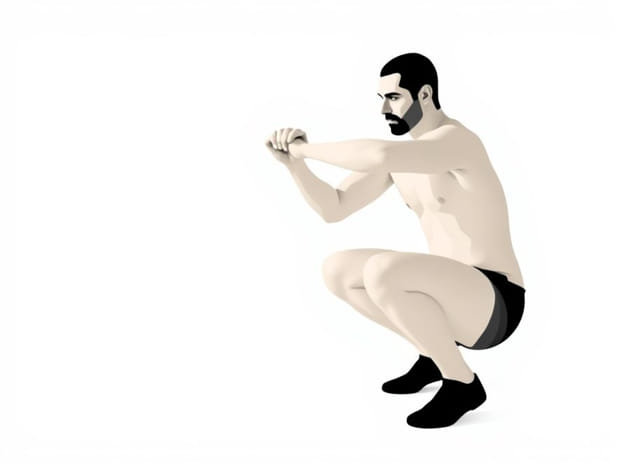
Elevated Bulgarian Split Squat
The elevated Bulgarian split squat is one of the most effective lower-body exercises that combines strength, stability, and balance. It is a variation of the traditional lunge where the back foot is elevated on a bench, step, or sturdy platform. This movement targets the quadriceps, glutes, and hamstrings while also engaging the core. Because it challenges balance, it forces multiple muscles to work together, making it an excellent choice for athletes, fitness enthusiasts, and anyone looking to improve lower body strength and stability. Practicing this exercise regularly can lead to significant improvements in posture, functional strength, and athletic performance.
What is the Elevated Bulgarian Split Squat?
The elevated Bulgarian split squat is essentially a single-leg squat variation where one foot is placed behind you on an elevated surface. The working leg is positioned forward and does most of the effort during the squat. Elevating the rear foot increases the range of motion, forcing the front leg to engage more deeply and improving flexibility in the hips.
Why It Stands Out
- It isolates each leg, helping correct strength imbalances.
- It enhances balance and coordination due to the single-leg nature of the exercise.
- It engages stabilizing muscles that are often overlooked in traditional squats.
- It can be performed almost anywhere with minimal equipment.
Muscles Worked During the Exercise
One of the biggest advantages of the elevated Bulgarian split squat is how many muscles it activates in the lower body and core. By focusing on a single leg at a time, it creates a more intense workout for the targeted muscles.
Main Muscle Groups
- QuadricepsThe front thigh muscles drive the upward movement.
- GlutesActivated strongly when driving upward, especially if you sink deeper into the squat.
- HamstringsAssist in stabilizing and supporting hip movement.
- CalvesProvide balance and support throughout the motion.
- Core musclesEngage to keep the body upright and balanced.
How to Perform an Elevated Bulgarian Split Squat
Performing this exercise with proper form is crucial to avoid strain and maximize results. Start with bodyweight only before adding resistance like dumbbells or a barbell.
Step-by-Step Guide
- Stand about two feet in front of a bench or platform, facing away from it.
- Place the top of your back foot on the elevated surface.
- Keep your chest upright, shoulders back, and core engaged.
- Lower your body by bending the front knee until the thigh is parallel to the ground.
- Ensure your front knee stays aligned with your toes and does not cave inward.
- Press through the heel of the front foot to rise back up to the starting position.
- Complete the desired number of reps before switching sides.
Common Mistakes to Avoid
Although the elevated Bulgarian split squat is straightforward, beginners often make small errors that can reduce effectiveness or cause discomfort. Correcting these mistakes will lead to safer and stronger results.
- Leaning too far forwardKeep the chest upright to avoid straining the lower back.
- Improper knee alignmentEnsure the knee stays in line with the toes.
- Standing too close or far from the benchAdjust your distance until you feel balanced and stable.
- Rushing the movementSlow, controlled reps activate muscles more effectively than quick ones.
- Using too much weight too soonMaster bodyweight form before progressing.
Benefits of the Elevated Bulgarian Split Squat
Adding this exercise to your fitness routine provides a wide range of benefits beyond just building muscle. It enhances functional strength, stability, and overall athletic ability.
Physical Benefits
- Increases single-leg strength, essential for sports and daily activities.
- Improves hip mobility and flexibility.
- Strengthens stabilizing muscles that protect the knees and hips.
- Enhances balance and coordination.
- Supports better squat performance by improving leg endurance.
Performance Benefits
- Boosts power for running, jumping, and sprinting.
- Improves functional strength for movements like climbing or carrying loads.
- Reduces risk of injury by correcting muscle imbalances.
Variations of the Exercise
Once you are comfortable with the standard version, there are multiple variations to increase difficulty or adjust the focus of the movement.
Dumbbell Bulgarian Split Squat
Hold a dumbbell in each hand at your sides to add resistance and challenge grip strength.
Barbell Bulgarian Split Squat
Place a barbell on your shoulders behind your neck to load the exercise heavily, similar to a back squat but on one leg.
Bulgarian Split Squat Jump
Perform the squat explosively and add a jump at the top for power and plyometric training.
Front Rack Bulgarian Split Squat
Hold weights at shoulder height to challenge the core more intensely and shift the focus slightly forward.
Breathing Technique
Breathing properly during the exercise helps maintain rhythm and supports core engagement.
- Inhale as you lower your body into the squat.
- Exhale forcefully as you push back up to standing.
Tips for Beginners
If you are new to this exercise, focus on mastering technique before adding resistance. Here are some tips to start safely
- Begin with a low bench or step until you feel stable.
- Use a wall or chair for support while learning balance.
- Perform fewer reps with good form instead of rushing through many.
- Stretch your hips and quads before attempting the exercise.
Who Should Incorporate This Exercise
The elevated Bulgarian split squat is beneficial for a wide range of people. Whether you are an athlete, fitness beginner, or someone looking to strengthen your lower body, this move offers advantages.
- AthletesImproves unilateral strength crucial for sprinting and jumping.
- WeightliftersBuilds leg endurance and corrects imbalances for better squat performance.
- BeginnersA safe way to strengthen legs without needing heavy equipment.
- RehabilitationCan be modified for those recovering from injuries to regain strength and mobility.
Programming and Repetitions
How often you should perform the elevated Bulgarian split squat depends on your fitness level and goals.
- Beginners2-3 sets of 8-10 reps per leg with bodyweight.
- Intermediate3-4 sets of 10-12 reps with dumbbells.
- Advanced4-5 sets of 12-15 reps with heavier weights or explosive variations.
The elevated Bulgarian split squat is a powerful exercise that strengthens the legs, glutes, and core while improving balance and flexibility. Its ability to target each leg individually makes it ideal for correcting imbalances and enhancing overall athletic performance. By practicing with proper form, avoiding common mistakes, and gradually progressing with variations, anyone can benefit from this movement. Incorporating it into your routine will lead to stronger legs, better posture, and greater stability, making it a valuable addition to any fitness program.