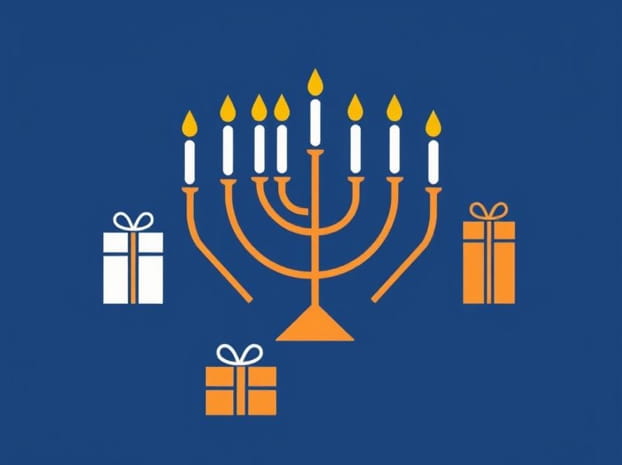
Eight Gifts Of Hanukkah
Hanukkah, also known as the Festival of Lights, is a Jewish celebration that commemorates the rededication of the Second Temple in Jerusalem during the second century BCE. It is an eight-day holiday filled with traditions, rituals, and symbolic acts that reinforce the themes of faith, resilience, and divine providence. While the holiday is widely recognized for lighting the menorah, playing dreidel, and enjoying traditional foods, it also carries deeper spiritual and moral lessons. One of the most meaningful aspects of Hanukkah is the concept of the eight gifts, each of which represents a value or virtue that can guide daily life and strengthen one’s connection to God and community.
Historical Context of Hanukkah
Understanding the eight gifts of Hanukkah begins with the historical background of the festival. Hanukkah commemorates the Maccabean revolt against the Seleucid Empire, which sought to suppress Jewish practices and impose Hellenistic culture. The Maccabees, a small group of Jewish warriors, successfully reclaimed the Temple and purified it for worship. According to tradition, when the Jews sought to relight the Temple menorah, they found only a small amount of consecrated oil, enough for one day. Miraculously, the oil lasted for eight days, allowing time to prepare new sacred oil. This miracle is central to the celebration and symbolizes divine intervention, hope, and perseverance.
The Significance of Eight Gifts
The eight gifts of Hanukkah are not physical presents, but spiritual virtues and lessons associated with the eight days of the festival. Each day provides an opportunity to reflect on one of these gifts, fostering personal growth, ethical living, and a stronger sense of community. These gifts are designed to inspire acts of kindness, generosity, and devotion to faith, echoing the miraculous story that Hanukkah commemorates.
1. Faith
Faith is the foundation of the Hanukkah story. The Maccabees believed in God’s guidance despite overwhelming odds, and their faith empowered them to act courageously. During Hanukkah, individuals are encouraged to nurture their spiritual belief, trust in divine providence, and remain steadfast in the face of challenges. Lighting the menorah each night serves as a daily affirmation of faith and hope.
2. Courage
Courage represents the bravery displayed by the Maccabees in defending their traditions. This gift reminds us that moral and spiritual courage is necessary in everyday life. Courage involves standing up for one’s beliefs, helping those in need, and making ethical decisions even when they are difficult. By embracing courage, we honor the spirit of those who fought for religious freedom.
3. Hope
Hope is a central theme of Hanukkah, symbolized by the oil that lasted eight days. It reminds us that even in moments of scarcity or uncertainty, hope can sustain us. By cultivating hope, we maintain optimism and resilience, enabling us to face obstacles and inspire others to persevere. Each day of the festival encourages reflection on what one hopes to achieve spiritually, morally, and personally.
4. Gratitude
Gratitude is the recognition of the blessings in our lives, both large and small. Hanukkah teaches us to be thankful for freedom, faith, family, and community. Expressing gratitude can strengthen relationships, improve mental well-being, and foster a deeper connection with God. Acts of giving and sharing during Hanukkah, such as tzedakah (charitable giving), are expressions of gratitude in action.
5. Light
The gift of light is both literal and symbolic. Lighting the menorah dispels physical darkness and represents the triumph of spiritual illumination over ignorance and despair. Light encourages clarity, knowledge, and ethical insight. By bringing light into our homes and communities, we participate in a tradition that emphasizes guidance, learning, and hope.
6. Joy
Joy is an essential gift of Hanukkah, celebrating the restoration of the Temple and the perseverance of the Jewish people. This joy is expressed through music, food, family gatherings, and communal activities. Experiencing joy deepens our appreciation of life and enhances spiritual well-being. It reminds us that celebrations and moments of happiness are vital for sustaining faith and resilience.
7. Generosity
Generosity reflects the ethical and moral values emphasized during Hanukkah. Sharing with others, whether through charitable giving, helping a neighbor, or offering emotional support, reinforces community bonds and fulfills spiritual obligations. The act of giving aligns with the festival’s focus on gratitude and hope, reminding us that we are stewards of blessings meant to be shared.
8. Reflection
Reflection is the practice of examining one’s actions, thoughts, and intentions. Hanukkah provides a structured time for personal contemplation and spiritual assessment. By reflecting on the past year and considering areas for growth, individuals can set goals for moral and ethical improvement. Reflection also strengthens mindfulness, encourages humility, and nurtures a more meaningful connection with faith and family.
Practical Applications of the Eight Gifts
Integrating the eight gifts of Hanukkah into daily life can have transformative effects on individuals and communities. Families can focus on a different gift each day of the festival, creating meaningful discussions and activities around each virtue. For example, one day may be dedicated to acts of generosity, while another emphasizes courage in speaking up for justice. These practical applications reinforce the moral and spiritual lessons inherent in the holiday.
Family Traditions and Education
Parents and educators can use the eight gifts as teaching tools, helping children understand the deeper significance of Hanukkah beyond candles and chocolate coins. Storytelling, interactive activities, and community service projects can highlight each gift, making the lessons tangible and memorable. By cultivating these virtues from a young age, families ensure that the values of Hanukkah are passed down through generations.
Community Engagement
Communities can celebrate Hanukkah by organizing events that reflect the eight gifts. Acts of charity, public menorah lightings, educational workshops, and cultural performances provide opportunities to share faith, knowledge, and joy. Community engagement strengthens social cohesion and allows individuals to live out the values of faith, hope, and generosity in practical ways.
The eight gifts of Hanukkah offer a framework for understanding the spiritual and moral significance of this cherished festival. Faith, courage, hope, gratitude, light, joy, generosity, and reflection are not only symbolic of the historical miracle but also serve as guiding principles for daily life. By embracing these gifts, individuals can deepen their spiritual practice, strengthen community bonds, and lead lives marked by ethical responsibility and meaningful connection. Hanukkah thus becomes more than a festival of lights; it is a celebration of enduring values that illuminate the path toward a life of purpose, compassion, and resilience.