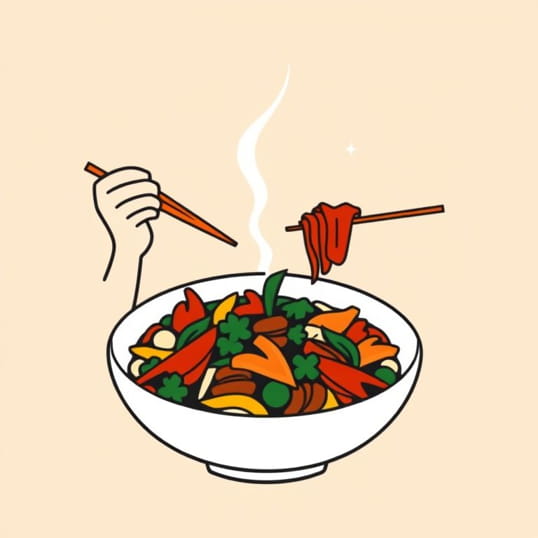
Eating A Succulent Chinese Meal
Eating a succulent Chinese meal is an experience that engages all the senses, offering a combination of vibrant flavors, enticing aromas, and appealing textures. From the delicate balance of sweet and savory sauces to the tender meats and fresh vegetables, Chinese cuisine presents a culinary adventure that is both comforting and exciting. Each dish is thoughtfully prepared, showcasing traditional cooking techniques while incorporating a variety of ingredients that make every bite memorable. Whether dining at a bustling restaurant or enjoying a homemade feast, a well-prepared Chinese meal can be a truly satisfying and immersive experience for food lovers of all ages.
The Variety of Chinese Cuisine
Chinese cuisine is incredibly diverse, with regional styles that range from the spicy and bold flavors of Sichuan to the lighter, more delicate tastes of Cantonese cooking. Each region brings its own unique ingredients, cooking methods, and cultural influences, resulting in a wide array of dishes that cater to every palate. Eating a Chinese meal allows diners to explore these differences and discover how flavors can vary depending on the region of origin.
Cantonese Cuisine
Cantonese cuisine is known for its emphasis on freshness and natural flavors. Dishes are often lightly seasoned to highlight the ingredients themselves, such as tender meats, fresh seafood, and seasonal vegetables. Steaming and stir-frying are common techniques, helping retain the nutrients and flavors of the ingredients. Signature dishes include dim sum, roast duck, and delicate seafood preparations that are both flavorful and visually appealing.
Sichuan Cuisine
Sichuan cuisine, on the other hand, is famous for its bold, spicy flavors and use of Sichuan peppercorns, which provide a unique numbing sensation. Dishes like Kung Pao Chicken, Mapo Tofu, and hot pot showcase complex layers of spice, umami, and aroma. Eating a Sichuan meal is often an exhilarating experience, as the heat and depth of flavors awaken the senses and make each bite a delightful challenge for the taste buds.
Essential Elements of a Chinese Meal
A well-rounded Chinese meal is carefully balanced, often including a variety of textures, colors, and flavors. Common elements include proteins such as chicken, beef, pork, or seafood, paired with fresh vegetables and accompanied by flavorful sauces. Rice or noodles are staple components that provide a comforting base for the meal, while side dishes like dumplings, spring rolls, and pickled vegetables add additional complexity.
- ProteinsChicken, beef, pork, seafood, tofu
- VegetablesBok choy, napa cabbage, bell peppers, mushrooms
- StaplesWhite rice, fried rice, noodles
- Condiments and saucesSoy sauce, oyster sauce, hoisin sauce, chili oil
- AppetizersSpring rolls, dumplings, buns
- BeveragesJasmine tea, green tea, plum wine
Techniques for Creating a Succulent Chinese Meal
Cooking techniques play a crucial role in creating a meal that is both flavorful and satisfying. Stir-frying, steaming, braising, and roasting are commonly used methods that help retain the taste, texture, and nutrients of the ingredients. A successful Chinese meal requires precise timing, careful seasoning, and a good understanding of how different flavors complement one another.
Stir-Frying
Stir-frying is a fast, high-heat technique that allows ingredients to cook quickly while retaining their freshness and texture. This method is often used for vegetables and proteins, producing dishes that are both colorful and flavorful. Key to successful stir-frying is keeping the ingredients moving constantly and ensuring the wok is adequately heated to prevent sticking and achieve that signature slightly smoky flavor.
Steaming
Steaming is a gentle cooking technique that preserves the natural taste and nutrients of the food. It is commonly used for dim sum, fish, and buns. Steamed dishes are often light, tender, and healthy, making them an essential component of a balanced Chinese meal. Steaming also allows the natural juices and flavors of the ingredients to shine without overwhelming the palate with heavy sauces.
Braising and Roasting
Braising involves slow-cooking ingredients in a flavorful liquid, resulting in tender, succulent meats that are infused with the essence of spices, soy sauce, and aromatics. Roasting, particularly for poultry such as Peking duck, creates crispy skin while keeping the meat moist and flavorful. Both methods are popular in creating traditional Chinese dishes that emphasize depth of flavor and texture contrast.
The Role of Flavor in Chinese Meals
Chinese cuisine is built upon the harmonious balance of five fundamental flavors sweet, sour, salty, bitter, and umami. Successful dishes combine these elements to create layers of complexity, making each bite intriguing. For example, a sweet and savory glaze on roasted pork pairs beautifully with the salty tang of soy sauce, while a touch of acidity from rice vinegar brightens stir-fried vegetables. Eating a well-balanced Chinese meal is about experiencing these flavor contrasts while appreciating the skill behind their combination.
Complementing with Sauces
Sauces are central to Chinese cooking, adding moisture, richness, and depth. Common sauces include soy sauce for saltiness, hoisin for sweet umami, oyster sauce for savory richness, and chili oil for heat. Each sauce has a specific role in enhancing the flavor of meats, vegetables, or noodles, ensuring every bite is flavorful and satisfying.
Enjoying the Dining Experience
Eating a succulent Chinese meal is not only about the food but also the atmosphere and presentation. Sharing multiple dishes family-style allows everyone to sample different flavors and textures, promoting a communal and interactive dining experience. Pairing dishes with complementary beverages, such as hot tea or light wine, further enhances the meal, while careful presentation adds to the overall enjoyment. The colors, aromas, and textures all contribute to a sensory experience that goes beyond taste alone.
Tips for Eating a Chinese Meal
- Start with lighter dishes and appetizers before moving to heavier, richer entrees.
- Use chopsticks or utensils appropriately to enjoy the food as intended.
- Balance flavors by alternating between spicy, savory, and mild dishes.
- Take small bites to appreciate the textures and flavors fully.
- Share dishes among diners to explore a variety of tastes and ingredients.
Eating a succulent Chinese meal is an immersive experience that brings together vibrant flavors, varied textures, and thoughtful cooking techniques. From the delicate Cantonese dim sum to the fiery Sichuan specialties, each dish offers a glimpse into the rich culinary traditions of China. By combining fresh ingredients, skillful cooking, and balanced flavors, a Chinese meal can be both comforting and exciting, making it a memorable dining experience for any food enthusiast. Whether enjoyed in a restaurant setting or prepared at home, savoring a Chinese meal is about embracing the harmony of taste, aroma, and presentation in every bite.