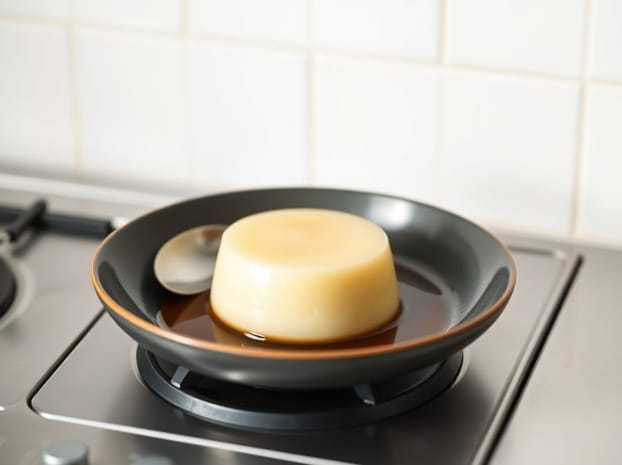
Easy Sago Pudding On The Stove
Sago pudding is a classic dessert enjoyed in many cultures, loved for its creamy texture and subtle sweetness. While it may seem complex at first, making easy sago pudding on the stove is surprisingly simple and can be done with just a few basic ingredients. Cooking sago pudding on the stove allows you to control the consistency and flavor, making it a comforting treat perfect for any time of the day. This guide will walk you through the process, provide helpful tips, and suggest variations to make your pudding even more delicious.
Ingredients for Easy Sago Pudding
Creating a flavorful sago pudding requires just a handful of ingredients, most of which are pantry staples. The simplicity of these ingredients is what makes this recipe both convenient and satisfying.
Basic Ingredients
- ½ cup small sago pearls
- 2 cups water
- 1 cup milk (or coconut milk for a richer taste)
- 3-4 tablespoons sugar (adjust to taste)
- 1 teaspoon vanilla extract (optional)
- Pinch of salt
Step-by-Step Instructions
Step 1 Soak the Sago
Begin by soaking the sago pearls in water for about 15-20 minutes. Soaking helps soften the pearls and reduces the cooking time on the stove. After soaking, drain the water and set the sago aside.
Step 2 Boil the Sago
In a medium-sized saucepan, bring 2 cups of water to a boil. Add the soaked sago pearls slowly, stirring constantly to prevent them from sticking together. Reduce the heat to medium and cook for 10-15 minutes, or until the pearls become translucent. Stir frequently to ensure even cooking.
Step 3 Add Milk and Sugar
Once the sago pearls are translucent, add the milk and sugar to the pan. Continue to cook on low heat, stirring occasionally, until the mixture thickens. This process usually takes about 5-10 minutes. The pudding should have a creamy texture and slightly thick consistency.
Step 4 Flavor the Pudding
Add a teaspoon of vanilla extract and a pinch of salt to enhance the flavor of your sago pudding. Mix thoroughly to ensure the flavor is evenly distributed. Taste the pudding and adjust the sweetness if necessary by adding a little more sugar.
Step 5 Cool and Serve
Once the pudding reaches your desired consistency, remove it from the heat. You can serve sago pudding warm for a comforting dessert or let it cool and refrigerate for a chilled treat. Garnish with fruits, nuts, or a drizzle of honey to add texture and extra flavor.
Tips for Perfect Stove-Top Sago Pudding
- Stir ConstantlySago pearls can stick to the bottom of the pan, so continuous stirring ensures even cooking and prevents burning.
- Monitor ConsistencyIf the pudding is too thick, add a little more milk. If it is too thin, continue cooking for a few more minutes until it reaches the desired texture.
- Use Small Sago PearlsSmall sago pearls cook faster and give a smoother texture compared to larger ones.
- Optional Add-InsCoconut milk, cardamom, or a sprinkle of cinnamon can enhance the flavor and give your pudding a unique twist.
- Soaking MattersSoaking sago reduces cooking time and helps achieve a creamier texture without clumping.
Variations of Sago Pudding
Coconut Sago Pudding
Replace regular milk with coconut milk for a rich and creamy coconut flavor. You can also add shredded coconut for added texture and aroma.
Fruit-Infused Sago Pudding
Add fresh or canned fruits such as mango, banana, or berries to your sago pudding. Fruits can be stirred in while the pudding is still warm or used as a topping before serving.
Chocolate Sago Pudding
For chocolate lovers, add 2-3 tablespoons of cocoa powder or melted chocolate while cooking the milk and sago mixture. This creates a decadent dessert with a smooth chocolatey taste.
Nutty Sago Pudding
Enhance your pudding with toasted nuts such as almonds, cashews, or pistachios. Nuts add a crunchy texture that complements the creamy sago pearls perfectly.
Health Benefits of Sago Pudding
Sago pudding is not only delicious but can also be a relatively healthy dessert when prepared with minimal sugar and healthy milk alternatives. Sago is a good source of carbohydrates, providing energy for your daily activities. Using milk or coconut milk adds protein and healthy fats, while optional fruit toppings provide vitamins and antioxidants. Choosing natural sweeteners like honey can further enhance the nutritional value without compromising taste.
Common Mistakes to Avoid
- Overcooking sago pearls can make them mushy and lose their chewy texture.
- Using too much sugar can overpower the subtle flavor of sago.
- Not stirring often enough may cause the pudding to stick or form lumps.
- Skipping the soaking step can increase cooking time and result in unevenly cooked pearls.
Serving Suggestions
Sago pudding can be served in many creative ways. Serve warm with a sprinkle of cinnamon or nutmeg for a cozy dessert, or chill it and top with fresh berries and a drizzle of condensed milk for a refreshing treat. It can also be served alongside other desserts like cakes or puddings for a multi-textured dessert experience. This versatility makes sago pudding a favorite for family gatherings, parties, or simple everyday indulgence.
Making easy sago pudding on the stove is a simple and satisfying way to enjoy a classic dessert. With just a few ingredients and straightforward steps, you can create a creamy, flavorful pudding that can be customized to suit your tastes. Whether you prefer a traditional milk-based pudding, a coconut variation, or a chocolate-infused treat, stove-top sago pudding offers endless possibilities. By following the tips and variations provided, you can confidently prepare this delightful dessert that is perfect for any occasion, proving that sometimes the simplest recipes are the most rewarding.