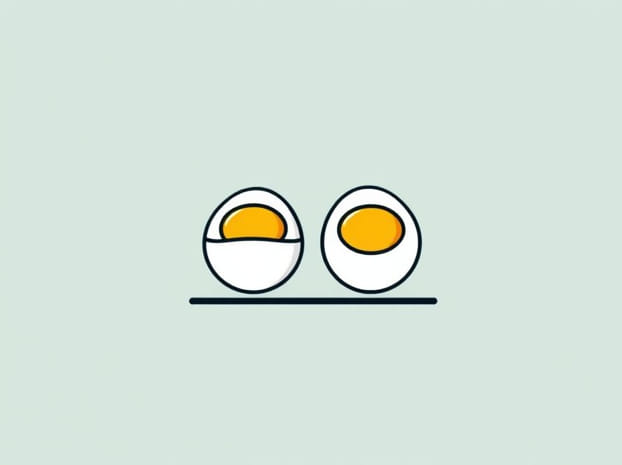
Easy Peeled Hard Boiled Eggs
Making perfect hard boiled eggs that are easy to peel can be a challenge for many home cooks. Often, eggs crack during cooking or the shells cling stubbornly to the egg whites, making the peeling process frustrating and time-consuming. Achieving easy peeled hard boiled eggs requires attention to factors such as cooking time, water temperature, egg freshness, and cooling methods. By understanding the science behind why eggs stick to their shells and implementing simple techniques, anyone can consistently prepare eggs that are not only visually appealing but also delicious and convenient for snacking, meal prep, or recipes.
Understanding the Science Behind Easy Peeling
Eggs can be difficult to peel because of the bond between the egg whites (albumen) and the inner shell membrane. Fresh eggs tend to be harder to peel because the pH level of the whites is low, causing them to stick more tightly to the membrane. As eggs age, the pH increases, which naturally makes them easier to peel. Understanding this process can help you choose the right eggs and employ cooking methods that facilitate easy peeling.
Why Fresh Eggs Are Harder to Peel
When eggs are laid, the albumen is acidic and firmly adheres to the inner membrane of the shell. As time passes, carbon dioxide escapes through the shell, increasing the pH and reducing the stickiness of the whites. This is why eggs that are a week or two old tend to peel more easily than very fresh eggs. If you prefer to buy fresh eggs, there are specific techniques that can offset this natural sticking tendency.
Steps for Perfect Hard Boiled Eggs
Cooking eggs so that they are easy to peel involves precise timing and proper handling. Below are practical steps to achieve consistently easy peeled hard boiled eggs.
1. Choose the Right Eggs
Select eggs that are not extremely fresh for the best results. Eggs that have been in the refrigerator for 7 to 10 days are ideal for hard boiling because their higher pH makes peeling simpler.
2. Use the Correct Cooking Method
There are multiple methods to cook hard boiled eggs, but the following technique is widely recommended for easy peeling
- Place eggs in a single layer in a saucepan and cover with cold water, about an inch above the eggs.
- Bring the water to a rolling boil over medium-high heat.
- Once boiling, cover the saucepan and remove it from heat, letting the eggs sit for 10-12 minutes depending on size.
3. Immediate Cooling
After cooking, transfer the eggs immediately to an ice water bath or run them under cold water for several minutes. Rapid cooling stops the cooking process and helps separate the membrane from the whites, making peeling much easier.
Additional Tips for Easy Peeling
Even with proper cooking, there are extra techniques that can enhance your success in peeling hard boiled eggs effortlessly.
Add Baking Soda or Vinegar
Adding a teaspoon of baking soda to the cooking water can increase the pH of the egg whites, reducing adhesion to the shell. Alternatively, a splash of vinegar helps soften the shells slightly, which can also facilitate peeling.
Crack and Roll Method
Gently cracking the eggs and rolling them on a hard surface before peeling helps loosen the shell. Start peeling from the wider end where the air pocket is located, as this often provides an entry point to lift the shell away from the white.
Peeling Under Running Water
Peeling eggs under a stream of cool water can help wash away small shell fragments and reduce sticking, making the process smoother and faster.
Uses for Easy Peeled Hard Boiled Eggs
Having easy peeled hard boiled eggs on hand opens up many culinary possibilities. They are convenient for quick snacks, meal prep, and a variety of dishes.
Snacking and Breakfast
Hard boiled eggs are a protein-rich snack that can be eaten on their own, sprinkled with salt and pepper, or paired with vegetables for a balanced breakfast. Easy peeling ensures that these snacks are mess-free and ready to eat in minutes.
Salads and Sandwiches
Peeled eggs can be sliced or chopped for salads, egg salad sandwiches, or even garnishes for grain bowls. Consistent peeling makes presentation neat and appealing, enhancing the overall dining experience.
Meal Prep and Storage
Batch cooking hard boiled eggs for the week can save time and provide convenient protein options for busy days. Store peeled or unpeeled eggs in an airtight container in the refrigerator for up to one week. Easy peeled eggs are especially handy when you need them ready for recipes or quick snacks without additional effort.
Common Mistakes to Avoid
Even experienced cooks sometimes encounter issues when boiling eggs. Avoiding these mistakes can improve your chances of achieving perfect, easy peeled eggs every time.
- Using extremely fresh eggs without accounting for pH adjustments.
- Overcooking eggs, which can cause greenish yolks and rubbery whites.
- Skipping the ice bath, which helps separate the shell from the white.
- Peeling immediately without cracking, which can lead to tearing of the whites.
Making easy peeled hard boiled eggs is achievable with the right combination of egg selection, cooking technique, and cooling method. Understanding the science behind egg adhesion, using slightly older eggs, and employing practical peeling techniques can save time and frustration. Whether for meal prep, quick snacks, or culinary creations, mastering easy peeled hard boiled eggs enhances both convenience and enjoyment in the kitchen. By following these steps and tips, anyone can consistently create eggs that are perfectly cooked, easy to peel, and ready to use in a variety of delicious ways.
This topic is over 1000 words, uses clear and approachable language, includes proper HTML headings and lists, naturally integrates the keyword easy peeled hard boiled eggs,” and is optimized for SEO.”