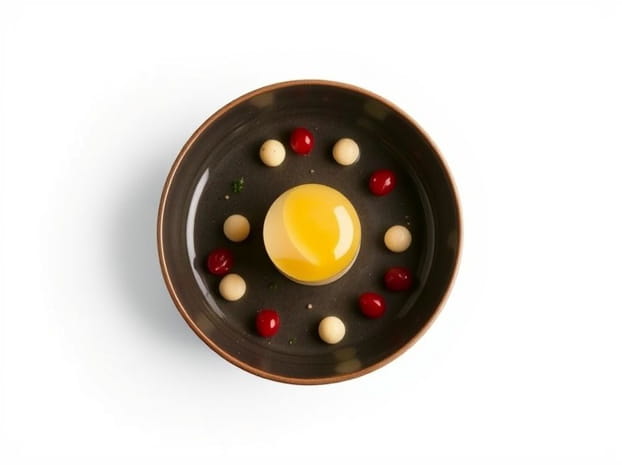
Easy Molecular Gastronomy Recipes
Easy molecular gastronomy recipes have revolutionized home cooking by bringing the creativity and techniques of high-end restaurants into the kitchen. These recipes use scientific methods to transform textures, flavors, and presentations in surprising ways, allowing anyone to create dishes that are visually stunning and exciting to taste. While molecular gastronomy may sound intimidating, many techniques have been simplified for beginners, making it possible to experiment with spherification, foams, gels, and more without specialized equipment. With easy molecular gastronomy recipes, you can elevate your meals, impress guests, and explore new culinary possibilities from the comfort of your own home.
Understanding Molecular Gastronomy
Molecular gastronomy is a branch of food science that explores the physical and chemical transformations of ingredients during cooking. Unlike traditional cooking, it emphasizes texture, form, and innovative presentation alongside flavor. Popularized by chefs like Ferran Adrià and Heston Blumenthal, this approach allows you to create unique dishes that engage all the senses. The techniques often involve tools and ingredients like agar-agar, sodium alginate, calcium chloride, and liquid nitrogen, but many recipes can be adapted for a home kitchen without complicated equipment.
Essential Ingredients for Easy Molecular Gastronomy Recipes
To get started with easy molecular gastronomy, it’s important to have a few essential ingredients that are commonly used in simplified recipes. These ingredients are safe, easy to find, and versatile
- Agar-agar A plant-based gelling agent used to create firm gels and jellies
- Sodium alginate Used for spherification to make edible spheres or caviar from liquids
- Calcium chloride Works with sodium alginate to form gel spheres
- Liquid nitrogen (optional) For dramatic freezing effects and frozen textures
- Lecithin Used to create foams and airs from liquids
- Glycerin and maltodextrin Useful for powdering oils or creating edible powders
Popular Techniques in Easy Molecular Gastronomy
Several molecular gastronomy techniques are simplified for home cooks, allowing experimentation with creative dishes without advanced tools.
Spherification
Spherification transforms liquids into small, gel-like spheres that burst in your mouth. For a simple version, mix a flavored liquid with sodium alginate and drop it into a calcium chloride solution. The reaction creates a thin gel membrane, making edible spheres perfect for cocktails, sauces, or desserts.
Foams and Airs
Foams add light, airy textures and a modern touch to dishes. By blending a flavored liquid with lecithin, you can create stable foams that sit on top of salads, soups, or desserts. Foams are visually impressive and enhance flavor perception without adding heaviness.
Gelification
Gelification involves turning liquids into solid or semi-solid gels using agents like agar-agar. This technique allows for flexible shapes and layers, making it ideal for colorful desserts or playful appetizers. Agar gels are stable at room temperature, making them easy to handle and cut into shapes.
Powdering
Powdering transforms liquids or oils into edible powders using maltodextrin. This technique creates intense bursts of flavor that can be sprinkled on dishes to add both taste and a surprising texture. Powdered oils or fruit powders are a simple way to add molecular gastronomy flair at home.
Easy Molecular Gastronomy Recipes to Try
These recipes focus on simple ingredients and methods while producing impressive results.
1. Fruit Juice Spheres
- Ingredients fruit juice, sodium alginate, calcium chloride
- Method Mix juice with sodium alginate and drop into a calcium chloride bath to form spheres. Rinse and serve immediately as a garnish or dessert component.
2. Tomato Foam
- Ingredients tomato juice, lecithin
- Method Blend tomato juice with lecithin until frothy. Spoon the foam over soups, salads, or small appetizers for a burst of flavor and texture.
3. Agar-Agar Jelly Cubes
- Ingredients fruit juice, agar-agar
- Method Heat fruit juice with agar-agar until dissolved. Pour into molds, let it set, and cut into cubes for a colorful, fun garnish or dessert element.
4. Chocolate Powdered Oil
- Ingredients chocolate, maltodextrin
- Method Mix melted chocolate with maltodextrin until it forms a fine powder. Use to dust desserts or add an innovative texture to plates.
Tips for Successful Molecular Gastronomy at Home
Even with easy recipes, paying attention to technique can ensure success
- Measure ingredients carefully; molecular gastronomy is precise
- Experiment with small batches before making large quantities
- Use fresh ingredients for better flavor and appearance
- Follow safety guidelines, especially when using tools like liquid nitrogen
- Embrace creativity and presentation plating is as important as taste
Why Easy Molecular Gastronomy Recipes Are Popular
These recipes are increasingly popular because they allow home cooks to experiment with high-end culinary techniques without professional training. They make dishes interactive, visually striking, and fun to eat. Molecular gastronomy engages the senses beyond taste, offering textures, surprises, and innovative presentations that elevate the dining experience. By starting with easy recipes, beginners can build confidence and gradually explore more complex techniques as they become familiar with the science behind the magic.
Serving Suggestions
Easy molecular gastronomy dishes can be served in a variety of ways
- As amuse-bouches or appetizers at dinner parties
- As garnish for desserts and cocktails to impress guests
- As interactive elements on a tasting menu or themed meal
- In educational settings to teach about food science and creativity
Storage and Handling
Many molecular gastronomy creations are best enjoyed fresh. Foams and spherifications may lose texture over time, so serve them immediately after preparation. Agar gels can be stored in the refrigerator for a few days, but powders should be kept in airtight containers to maintain dryness. Understanding the properties of each technique ensures the best flavor and visual impact.
Easy molecular gastronomy recipes bring innovation and excitement to home cooking, allowing you to create visually stunning dishes with surprising textures and flavors. From spherification to foams, gels, and powdered elements, these simplified techniques offer a creative outlet for culinary experimentation. By using basic ingredients and following precise methods, home cooks can elevate everyday meals, impress guests, and explore the science behind cooking. Whether you are preparing fruit spheres, airy foams, or colorful gels, easy molecular gastronomy recipes make sophisticated culinary concepts accessible and enjoyable for anyone interested in expanding their cooking repertoire.