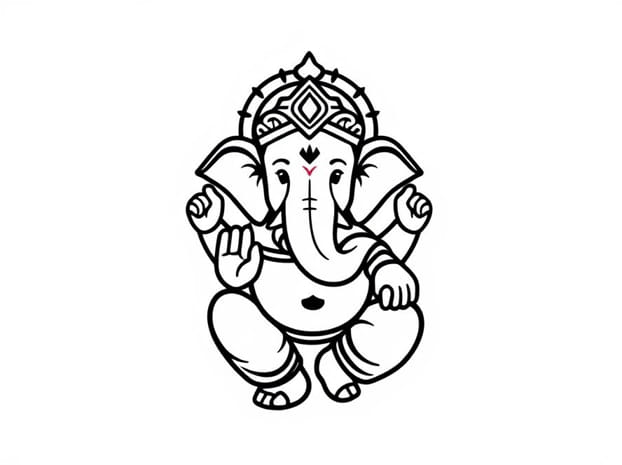
Easy Ganesha Drawing For Kids
Teaching kids how to draw can be both fun and educational, and one popular subject for young artists is Ganesha, the beloved Hindu deity known for his elephant head and playful nature. An easy Ganesha drawing for kids focuses on simple shapes, clear lines, and approachable steps that allow children to create a recognizable and joyful image without feeling overwhelmed. Drawing Ganesha not only introduces children to artistic skills but also helps them learn about culture, symbolism, and the importance of patience and creativity in the process. By breaking down the figure into simple parts, kids can gain confidence in their drawing abilities and enjoy the satisfaction of completing a meaningful piece of art.
Understanding Ganesha
Before starting an easy drawing of Ganesha, it’s helpful for kids to understand who Ganesha is and why he is significant. Ganesha is one of the most widely worshiped deities in Hinduism, known as the remover of obstacles and the god of wisdom, learning, and beginnings. He is easily recognized by his elephant head, large ears, curved trunk, and plump body. Ganesha is often depicted holding various objects, each with symbolic meaning, such as a modak (sweet), an axe, a lotus, or a rope. Teaching kids about these features makes the drawing experience more engaging and meaningful, connecting art with cultural understanding.
Materials Needed for Easy Ganesha Drawing
Creating an easy Ganesha drawing for kids does not require complicated materials. Simple tools are sufficient for a successful outcome
- Pencils For sketching the basic outlines.
- Eraser To correct mistakes and refine shapes.
- Colored pencils or crayons To add vibrant colors.
- Paper Any plain drawing paper works well.
- Optional markers For outlining to make the drawing stand out.
Step-by-Step Guide to an Easy Ganesha Drawing
Breaking the drawing process into simple steps helps kids follow along and feel a sense of accomplishment. Here is a recommended approach
Step 1 Draw the Head
Start with an oval shape for Ganesha’s elephant head. The oval can be slightly tilted to add character. Keep the lines light so adjustments can be made easily. This provides a foundation for adding the trunk, ears, and other facial features.
Step 2 Add the Trunk
Draw a curved line extending from the middle of the oval to form the trunk. Ganesha’s trunk is one of his most distinctive features, so encourage kids to make it smooth and flowing. A slight curl at the end can add personality and playfulness to the figure.
Step 3 Draw the Ears
Add large, fan-shaped ears on either side of the head. Elephant ears are wide and rounded, so keep them simple but prominent. This step gives Ganesha his recognizable elephant-like appearance and provides a balanced composition.
Step 4 Outline the Body
Below the head, draw a rounded, plump body. Keep the shape simple, like an oval or pear shape, to make it easy for kids to replicate. Ganesha’s body often conveys warmth and friendliness, so smooth, rounded lines work best.
Step 5 Draw the Arms and Hands
Draw two or four arms depending on the version of Ganesha you want. For an easy version, two arms holding symbolic items like a sweet or a lotus are sufficient. Simple curved lines for arms and circles or ovals for hands help kids maintain proportion while keeping the drawing manageable.
Step 6 Add Legs and Feet
Draw short, rounded legs and simple feet extending from the body. The legs can be slightly bent to give a sitting or relaxed pose, which is common in Ganesha illustrations. Emphasize simplicity and smooth curves to make it kid-friendly.
Adding Facial Features and Details
Once the main shapes are drawn, it’s time to add Ganesha’s eyes, eyebrows, and a gentle smile. Eyes can be simple ovals or circles, with small pupils. Add a line for the mouth and small curved lines for the eyebrows to give expression. Simple lines and dots can represent other details, like decorative marks on the forehead or small ornaments, without overwhelming young artists.
Optional Decorative Elements
To make the drawing more colorful and engaging, kids can add accessories and decorations. These can include
- A crown or headgear
- Jewelry on the arms and neck
- Patterns on the body or clothing
- Background elements like a small mouse or flowers
These extra touches allow children to personalize their drawing and explore creativity while learning about symbolic elements associated with Ganesha.
Coloring the Drawing
After completing the outline, coloring brings the drawing to life. Use bright and cheerful colors to reflect Ganesha’s joyful personality. Common colors include orange, red, yellow, and gold for the body and attire, with additional colors for decorative items and background elements. Encourage kids to stay within the lines while exploring shading or blending if they feel confident.
Tips for Making It Easy and Fun
- Use light pencil lines first, then darken after finalizing shapes.
- Break each part of the drawing into simple geometric shapes.
- Encourage children to take breaks to avoid frustration.
- Praise effort and creativity rather than perfection.
- Use examples of Ganesha drawings as inspiration but let kids add personal touches.
Educational Benefits of Drawing Ganesha
Drawing Ganesha offers more than artistic development. It helps children improve hand-eye coordination, understand shapes and proportions, and develop focus and patience. Additionally, it introduces cultural learning, as children become familiar with Ganesha’s symbolism, stories, and significance in Hindu traditions. Art activities like this foster both cognitive and creative skills, making learning interactive and enjoyable.
An easy Ganesha drawing for kids is a wonderful way to combine creativity, learning, and cultural appreciation. By breaking the drawing into simple steps starting with the head, trunk, ears, body, arms, and legs, followed by facial features, details, and coloring children can successfully create a joyful and recognizable image of this beloved deity. The process enhances artistic skills, encourages self-expression, and introduces important cultural elements in a fun and engaging manner. With patience, guidance, and encouragement, even young artists can feel proud of completing their very own Ganesha drawing, making the experience both educational and memorable.