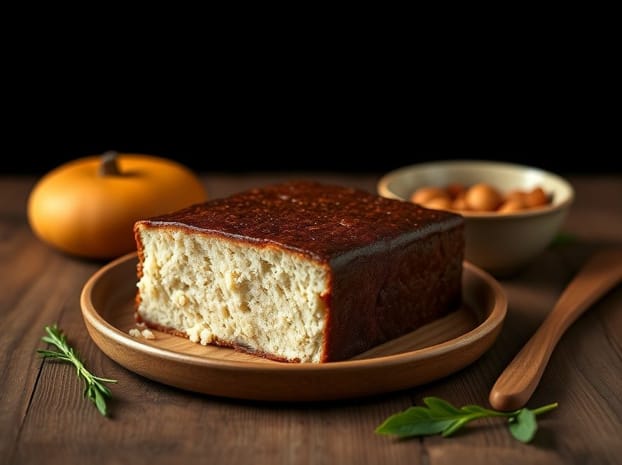
Easy Biko Recipe Panlasang Pinoy
Biko is a beloved Filipino rice cake that is often served during special occasions, family gatherings, or simple merienda moments. Known for its sticky texture and sweet coconut caramel topping, biko represents comfort food in the Philippines. Preparing biko might seem intimidating for beginners, but with the right guidance, anyone can make this delightful treat at home. Using simple ingredients and easy-to-follow steps, Panlasang Pinoy offers a reliable method to create authentic biko that captures the rich flavors and traditions of Filipino cuisine.
Ingredients for Easy Biko
To make biko the Panlasang Pinoy way, you need a few basic ingredients that are commonly found in Filipino kitchens. These ingredients provide the sweet and sticky texture that makes biko so irresistible.
- 2 cups glutinous rice (malagkit)
- 3 cups coconut milk
- 1 cup brown sugar
- 1/2 teaspoon salt
- Optional toppings latik (coconut caramel) or toasted coconut
Choosing the Right Ingredients
The quality of your ingredients can greatly influence the final taste and texture of your biko. Using fresh coconut milk provides a richer flavor and creamier consistency, while dark brown sugar enhances the caramel-like sweetness of the topping. Glutinous rice, or malagkit, is essential for achieving the sticky texture that distinguishes biko from other rice cakes.
Step-by-Step Preparation
Cooking the Rice
Start by washing the glutinous rice thoroughly under running water to remove excess starch. Drain well and transfer to a pot. Add the coconut milk and salt, then cook over medium heat, stirring frequently. The rice will absorb the coconut milk slowly, becoming sticky and tender. This step is crucial because evenly cooked rice ensures a smooth and cohesive texture for your biko.
Adding the Sweetness
Once the rice has absorbed most of the coconut milk and becomes sticky, gradually add the brown sugar. Continue stirring to allow the sugar to melt and integrate with the rice. The mixture should be glossy and uniform, forming a cohesive base for your biko. Stirring constantly prevents the rice from burning and ensures an even distribution of sweetness throughout the dish.
Preparing the Pan
Lightly grease a rectangular or square baking dish to prevent sticking. Transfer the cooked rice mixture into the prepared pan and spread it evenly. Pressing the mixture gently helps compact the rice, giving your biko a firm and uniform texture. At this stage, the biko is almost ready to be served, but adding the topping will enhance its flavor and presentation.
Making the Latik Topping
What Is Latik?
Latik is a traditional Filipino coconut caramel made by cooking coconut milk until the oil separates and the solids turn golden brown. This topping is essential for authentic biko, providing a slightly crunchy contrast to the sticky rice. Latik adds depth and richness to the dessert, making it visually appealing and flavorful.
Steps to Make Latik
- Pour 1 cup of coconut milk into a small saucepan over medium heat.
- Add 2 tablespoons of brown sugar and stir until dissolved.
- Simmer until the mixture thickens and coconut solids separate.
- Once the solids turn golden brown, remove from heat and let cool.
Applying the Topping
Evenly sprinkle the latik over the surface of the biko. The combination of sticky rice and caramelized coconut creates a delightful texture and flavor contrast that is signature to Panlasang Pinoy biko. Optionally, you can add toasted coconut for extra crunch and a visually appealing finish. The topping can be adjusted based on personal preference, ensuring each bite is sweet, rich, and satisfying.
Serving and Storage
Serving Tips
Biko is best served at room temperature, allowing the sticky rice and latik to maintain their textures. Cut the biko into squares or rectangles for easy serving. This dessert pairs well with hot tea or coffee, making it perfect for afternoon snacks or dessert after meals. Family gatherings and festive occasions are ideal moments to enjoy biko, as it evokes a sense of nostalgia and cultural pride.
Storage Instructions
If you have leftover biko, store it in an airtight container in the refrigerator. It can last up to 4-5 days while retaining its flavor and texture. To enjoy it warm, simply reheat in the microwave or steam for a few minutes. Proper storage ensures that the biko remains soft, sticky, and delicious even after a few days.
Tips for Perfect Biko
- Use fresh coconut milk for a richer taste and creamier texture.
- Stir the rice constantly to prevent burning and ensure even cooking.
- Adjust the sugar level according to your preference for sweetness.
- Press the rice gently into the pan to create a firm and cohesive cake.
- Experiment with toppings like latik, toasted coconut, or even chocolate shavings for variety.
Common Mistakes to Avoid
One common mistake is undercooking the rice, which results in a dry and crumbly biko. Overcooking the coconut milk can lead to a burnt taste, so careful monitoring is essential. Additionally, uneven spreading of the rice mixture can cause parts of the biko to be too thick or too thin, affecting both texture and presentation. Following the Panlasang Pinoy method closely helps avoid these pitfalls and ensures a consistently delicious result.
Making biko at home is easier than many people think, especially when following the Panlasang Pinoy recipe. By using simple ingredients like glutinous rice, coconut milk, and brown sugar, anyone can create a sticky, sweet, and satisfying Filipino rice cake. The addition of latik or other toppings elevates the dessert, adding texture and flavor that is both traditional and enjoyable. With careful preparation, attention to cooking times, and proper storage, homemade biko can become a regular treat for family gatherings, celebrations, or personal indulgence. This easy biko recipe not only honors Filipino culinary traditions but also provides a comforting, delicious dessert that everyone can enjoy.