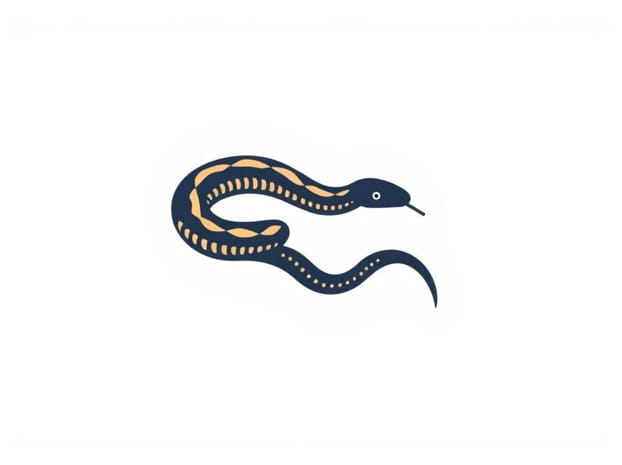
Eastern Copperhead Scientific Name
The eastern copperhead is a fascinating and often misunderstood species of venomous snake native to the eastern United States. Known for its distinctive copper-colored head and hourglass-shaped pattern along its body, this snake plays an important role in local ecosystems by controlling populations of rodents and other small animals. Its scientific name,Agkistrodon contortrix, helps distinguish it from other pit vipers and is used universally by researchers, herpetologists, and wildlife enthusiasts. Understanding the eastern copperhead, including its behavior, habitat, and ecological significance, is essential for both safety and conservation efforts.
Scientific Classification of the Eastern Copperhead
The eastern copperhead belongs to the family Viperidae, which includes venomous snakes with specialized fangs for delivering venom. Its genus,Agkistrodon, contains other well-known species such as the cottonmouth (Agkistrodon piscivorus). The species name,contortrix, is derived from Latin and refers to the snake’s coiled posture when at rest or threatened. The full scientific name,Agkistrodon contortrix, is used globally to accurately identify this species and avoid confusion with non-venomous snakes that may share similar patterns or coloration.
Subspecies of Agkistrodon contortrix
The eastern copperhead has several recognized subspecies, each with slight variations in appearance and geographic distribution. These include
- Agkistrodon contortrix contortrixCommonly found in the southeastern United States.
- Agkistrodon contortrix mokasenOften referred to as the northern copperhead, prevalent in the northeastern regions.
- Agkistrodon contortrix laticinctusKnown as the broad-banded copperhead, found primarily in central Texas.
- Agkistrodon contortrix pictigasterThe Trans-Pecos copperhead, occurring in western Texas and surrounding areas.
Each subspecies has unique patterns, banding intensity, and habitat preferences, but all share similar behaviors, diet, and venom properties.
Habitat and Distribution
The eastern copperhead is typically found in deciduous forests, rocky hillsides, wetlands, and areas with abundant leaf litter. It thrives in regions with dense ground cover that offers protection from predators and opportunities to ambush prey. This species is distributed across the eastern United States, from New England to the Gulf Coast, and as far west as Texas and Oklahoma. Understanding its preferred habitats helps humans avoid dangerous encounters and allows conservationists to monitor population health and habitat preservation.
Behavior and Ecology
The eastern copperhead is a primarily nocturnal snake, although it may be active during cooler parts of the day in spring and fall. Its behavior is generally non-aggressive, and it relies on camouflage and remaining motionless to avoid detection. When threatened, the snake may vibrate its tail, hiss, or strike as a last resort. Its diet mainly consists of small mammals, birds, amphibians, and insects, contributing to controlling pest populations and maintaining ecosystem balance. Recognizing these behavioral traits helps humans coexist safely with this species while appreciating its ecological role.
Identification Features
Identifying the eastern copperhead involves noting its distinct coloration, patterns, and body shape. Key identification features include
- Copper-colored head that contrasts with a lighter body.
- Hourglass-shaped crossbands along the body, usually darker than the base color.
- Pit organs between the eyes and nostrils for detecting heat from prey.
- Stocky body with a relatively short tail compared to other snakes.
Juvenile copperheads may have a yellow-tipped tail, which they use to lure small prey by mimicking worm-like movements. Accurate identification is crucial for safety and to prevent unnecessary killing of non-venomous look-alike snakes.
Venom and Safety
As a venomous snake, the eastern copperhead produces hemotoxic venom that helps immobilize prey and begin the digestive process. While copperhead bites are rarely fatal to humans, they can cause severe pain, swelling, and tissue damage. Immediate medical attention is recommended if bitten. Understanding the snake’s habits, such as its tendency to remain still and blend with the surroundings, reduces the likelihood of accidental encounters. Educating the public about safe practices, like watching where they step in the woods and avoiding handling snakes, is essential for coexisting with copperheads.
Conservation Status
The eastern copperhead is not currently listed as endangered, but habitat loss and human persecution can threaten local populations. Maintaining natural habitats, educating communities, and preventing illegal collection are important measures to ensure this species continues to thrive. Conservation efforts often involve collaborating with wildlife organizations and conducting field studies to monitor population trends and health.
Scientific Research and Importance
Research onAgkistrodon contortrixcontributes to understanding venom composition, snake ecology, and behavior. Studies of its venom have medical applications, including the development of antivenoms and investigation of compounds that may aid in treating blood disorders or cardiovascular conditions. Ecologically, the copperhead’s role as a predator helps control populations of rodents and other small animals, supporting the health of forest and wetland ecosystems.
Interactions with Humans
Interactions between humans and eastern copperheads are generally minimal if both parties exercise caution. Education and awareness are crucial for reducing conflicts. Hikers, campers, and residents in copperhead habitats should wear appropriate footwear, avoid tall grass or underbrush when walking, and never attempt to handle wild snakes. By respecting the snake’s space and behavior, humans can safely coexist with this important species.
The eastern copperhead, scientifically known asAgkistrodon contortrix, is a unique and ecologically significant species found throughout the eastern United States. Its distinctive appearance, venomous nature, and important role in controlling small animal populations make it a subject of interest for researchers, naturalists, and outdoor enthusiasts alike. Understanding its behavior, habitat, and identification features promotes safety and fosters respect for this often-misunderstood snake. As both a predator and a key component of its ecosystem, the eastern copperhead exemplifies the delicate balance of nature and the importance of coexistence between humans and wildlife.