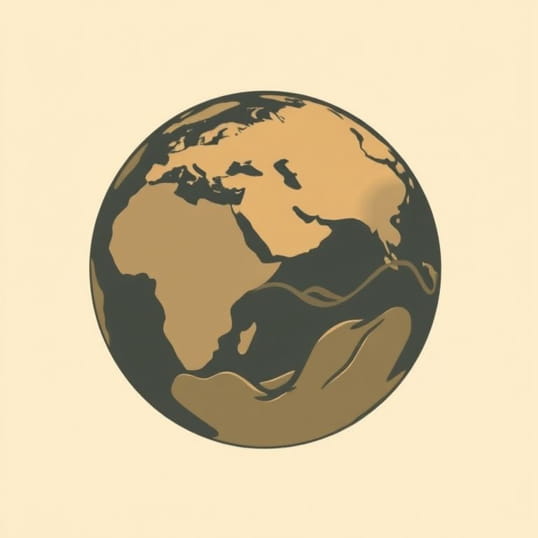
Earth During The Cretaceous Period
During the Cretaceous period, Earth experienced dramatic transformations that shaped both its landscapes and its life forms. Spanning from about 145 to 66 million years ago, it was the final era of the Mesozoic, often called the Age of Dinosaurs.” This period was marked by rising sea levels, warm global climates, flourishing vegetation, and the continued evolution of iconic species. The Earth during the Cretaceous period also witnessed one of the most significant mass extinctions in history, which ended the reign of the dinosaurs and set the stage for mammals to rise. Understanding this era helps us see how ancient geological and biological processes shaped the modern world.
Geological Setting of the Cretaceous Period
The surface of the Earth during the Cretaceous period was very different from today. Continents were still moving toward their present positions, but they were arranged in unique ways that influenced climate and ecosystems.
Continental Drift
During this time, the supercontinent Pangaea had already split into separate landmasses. Gondwana and Laurasia continued to break apart, leading to the formation of modern continents. South America drifted away from Africa, opening the South Atlantic Ocean. Meanwhile, India began its northward journey toward Asia. These movements affected ocean currents and helped establish new climates across the planet.
High Sea Levels
Sea levels were unusually high during the Cretaceous period. Vast inland seas flooded large parts of continents, including what is now North America, which was split by the Western Interior Seaway. This shallow sea created rich marine ecosystems and influenced the distribution of dinosaurs and other life forms. Coastal plains and shallow marine environments dominated the Earth’s surface, making this one of the most water-covered times in geological history.
Climate During the Cretaceous
One defining feature of the Earth during the Cretaceous period was its warm climate. Global temperatures were higher than today, and the planet lacked permanent polar ice caps. Tropical and subtropical conditions stretched much farther toward the poles than in the present era.
Greenhouse Conditions
The warm atmosphere was largely due to high levels of carbon dioxide, creating what scientists call a greenhouse world. This climate allowed lush vegetation to thrive even in high-latitude regions. Fossil evidence shows that forests grew near the poles, supporting a wide range of life despite long seasonal periods of darkness.
Impacts on Ecosystems
The warm climate and high sea levels combined to create unique habitats. Swamps, mangroves, and shallow seas supported diverse organisms, from dinosaurs on land to marine reptiles in the oceans. Coral reefs expanded, and plankton populations flourished, shaping marine food webs that supported gigantic predators.
Life on Earth During the Cretaceous Period
The Cretaceous was a time of both diversification and dominance. Dinosaurs continued to be the ruling terrestrial animals, but plants, insects, and other creatures also underwent significant changes that influenced the course of evolution.
Dinosaurs
Dinosaurs thrived during the Cretaceous period, with some of the most famous species appearing in this era. These included
- Tyrannosaurus rex– one of the largest carnivorous dinosaurs, known for its powerful bite and dominance in North America.
- Triceratops– a horned herbivore with a large frill, also found in North America.
- Velociraptor– a smaller, swift predator that lived in Asia.
- Spinosaurus– a massive predator adapted to both land and water, found in Africa.
These dinosaurs showcased a wide variety of adaptations, from gigantic body sizes to specialized feeding behaviors, making them some of the most successful animals of the time.
Other Vertebrates
Besides dinosaurs, Earth during the Cretaceous period was home to impressive marine reptiles like mosasaurs and plesiosaurs. Flying reptiles such as pterosaurs ruled the skies. Early mammals existed but were generally small and lived in the shadows of the dinosaurs. Birds, however, began to diversify from their dinosaur ancestors, signaling the evolutionary bridge between two great animal groups.
Plants and Insects
The Cretaceous period marked the rise of flowering plants, also known as angiosperms. These plants transformed ecosystems by offering new food sources and habitats for insects and herbivores. Pollination relationships began to form, leading to a co-evolutionary explosion between plants and insects. This shift in vegetation created ecosystems that resembled modern forests and fields more closely than earlier Mesozoic landscapes dominated by conifers and cycads.
Marine Life and Oceans
The oceans during the Cretaceous were filled with diverse life. Ammonites, relatives of modern squid, were abundant and served as important prey for marine predators. Sharks also became more diverse and adapted to various ecological niches. Reptiles like mosasaurs grew to enormous sizes and ruled the seas, competing with other predators such as plesiosaurs and ichthyosaurs. Microscopic plankton, including coccolithophores, played a crucial role in marine ecosystems and left behind massive chalk deposits that are still visible today, such as the White Cliffs of Dover.
The End of the Cretaceous
The Cretaceous period came to a dramatic end about 66 million years ago with one of the most significant mass extinction events in Earth’s history. This event wiped out roughly 75% of species, including all non-avian dinosaurs.
The Impact Hypothesis
The leading explanation for the extinction is the impact of a large asteroid or comet near the present-day Yucatán Peninsula in Mexico. This collision created the Chicxulub crater and triggered devastating environmental effects, including wildfires, a nuclear winter effect from dust blocking sunlight, and drastic climate changes.
Other Contributing Factors
In addition to the asteroid impact, massive volcanic activity in the Deccan Traps of India released enormous amounts of volcanic gases. These emissions likely worsened climate instability, contributing to acid rain, ocean acidification, and long-term cooling effects.
Survivors and Legacy
While dinosaurs and many marine reptiles vanished, some groups survived and eventually flourished. Birds, which evolved from small theropod dinosaurs, persisted and became one of the most successful animal groups on Earth. Mammals, which had remained small during the age of dinosaurs, diversified rapidly in the aftermath, setting the stage for the eventual rise of humans.
Legacy of the Cretaceous Period
The Earth during the Cretaceous period left behind a remarkable legacy. The spread of flowering plants shaped modern ecosystems, while the extinction event reshaped the course of evolution by opening ecological niches. Geological formations from this period, such as chalk deposits and fossil-rich sediments, continue to provide scientists with vital information about ancient climates, sea levels, and life forms. The story of this period reminds us of Earth’s capacity for dramatic change and the resilience of life in adapting to shifting environments.
Exploring the Earth during the Cretaceous period reveals a world of high seas, lush vegetation, and extraordinary creatures. From towering dinosaurs to flourishing marine reptiles, life reached incredible diversity. The eventual extinction at the close of this period reshaped the planet’s evolutionary path, allowing mammals and birds to take center stage. By studying the Cretaceous, we not only learn about Earth’s past but also gain insight into the processes that continue to shape our world today.