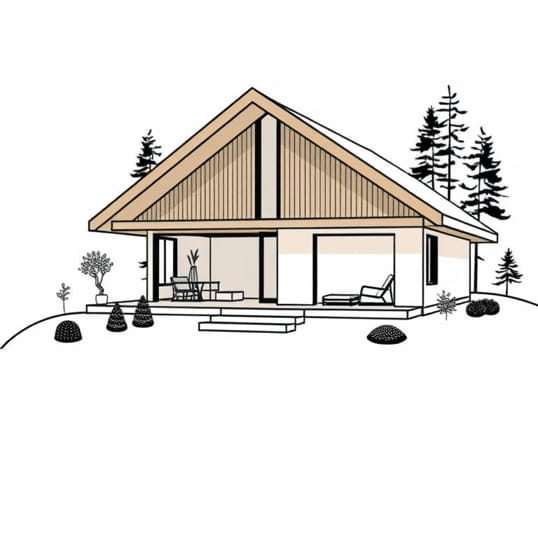
Earth Berm House Plans
Designing a home that harmonizes with the environment while offering energy efficiency and comfort has led many homeowners to explore alternative architectural concepts. Among these concepts, earth berm houses have gained attention for their unique design, sustainability, and natural insulation benefits. Earth berm house plans provide a blueprint for building homes that are partially or fully embedded into the landscape, utilizing soil or berms to enhance thermal efficiency and reduce energy consumption. These homes not only blend seamlessly with their surroundings but also offer a quieter and more protected living environment compared to conventional structures. For anyone considering building an earth-sheltered or earth-bermed home, understanding the essential design principles, layout options, and planning considerations is crucial.
Understanding Earth Berm Houses
An earth berm house is a type of dwelling where one or more exterior walls are covered with earth, sand, or other natural materials. This architectural style often includes homes that are partially underground or built into slopes, making them inherently energy-efficient and environmentally friendly. The natural insulation provided by the earth helps maintain consistent indoor temperatures, reducing heating and cooling costs throughout the year. Additionally, earth berm houses are designed to be resistant to extreme weather, offering protection from wind, storms, and even fire in some cases.
Key Advantages of Earth Berm House Plans
- Energy EfficiencyThe earth covering acts as natural insulation, keeping interiors cooler in summer and warmer in winter.
- Environmental IntegrationThese homes blend into the landscape, minimizing visual impact and preserving natural scenery.
- Durability and ProtectionEarth berm construction offers strong resistance to severe weather conditions, including high winds and heavy storms.
- Noise ReductionThe earth acts as a sound barrier, creating a quieter living space both from outside noise and between rooms.
- Low MaintenanceWith proper drainage and waterproofing, these homes can have long lifespans with minimal exterior maintenance.
Design Considerations for Earth Berm House Plans
Designing an earth berm house requires careful planning to ensure structural integrity, comfort, and aesthetic appeal. One of the first considerations is the orientation of the house. South-facing windows are often preferred in the northern hemisphere to maximize natural light and passive solar heating. The slope of the surrounding land also affects the design, as homes built into hillsides can take advantage of natural insulation and drainage patterns.
Layout and Room Placement
Earth berm house plans often include open floor layouts to promote natural airflow and efficient use of space. Common areas such as the living room and kitchen are strategically placed along walls with access to daylight, while bedrooms and utility rooms may be positioned in areas more deeply embedded in the berm for enhanced privacy and temperature stability. Proper placement of windows, skylights, and ventilation systems is crucial to prevent moisture buildup and maintain healthy indoor air quality.
Structural and Material Considerations
Materials used in earth berm homes must withstand the pressure and moisture of surrounding soil. Reinforced concrete, masonry, and steel are commonly used for walls and foundations, often combined with waterproof membranes and drainage systems. Earth berm house plans must include detailed specifications for wall thickness, soil compaction, and roof load to ensure safety and longevity. The choice of materials also affects the thermal performance, requiring careful selection to achieve optimal energy efficiency.
Types of Earth Berm House Designs
Earth berm houses can vary widely in design, ranging from partially buried homes to fully earth-sheltered structures. Some common variations include
- Full BermThe home is completely surrounded by earth on all sides except for the façade, providing maximum insulation and protection.
- Partial BermOnly certain walls or sections are covered with earth, often incorporating conventional walls for windows and ventilation.
- Hillside IntegrationHomes built into a natural slope, utilizing the land’s contours for thermal benefits and minimizing excavation costs.
- Walkout BermA design where the lower level is partially exposed, allowing for a terrace, patio, or garden access while still benefiting from berm insulation.
Incorporating Sustainability
Many earth berm house plans emphasize sustainable living by incorporating passive solar design, rainwater harvesting, and energy-efficient appliances. Green roofs can be added to further insulate the home and promote biodiversity. Selecting locally sourced materials reduces transportation costs and environmental impact, while careful landscaping ensures proper water drainage to protect the structure from erosion or moisture damage.
Planning and Permits
Before beginning construction, it is important to review local zoning laws, building codes, and permit requirements. Some regions have specific regulations for earth-sheltered homes due to their unique structural needs and energy efficiency characteristics. Working with an architect or designer experienced in earth berm construction can help navigate these requirements and create a plan that balances aesthetic appeal, functionality, and compliance with legal standards.
Budgeting and Cost Considerations
While earth berm homes can offer long-term savings on energy and maintenance, the initial construction costs can be higher than conventional homes due to excavation, structural reinforcements, and specialized materials. It is essential to account for these expenses when reviewing earth berm house plans. Cost-saving strategies include choosing a simpler design, using natural landscaping for berm formation, and incorporating multi-functional spaces to maximize interior efficiency.
Earth berm house plans provide a compelling option for those looking to combine sustainability, energy efficiency, and unique architectural design. These homes offer natural insulation, protection from extreme weather, and a reduced environmental footprint while creating comfortable and visually appealing living spaces. Careful planning, including site selection, structural integrity, layout optimization, and sustainable design features, is essential for successful construction. With the right approach, an earth berm home can serve as a long-lasting, eco-friendly sanctuary that harmonizes with its surroundings while delivering comfort and practicality for modern living.