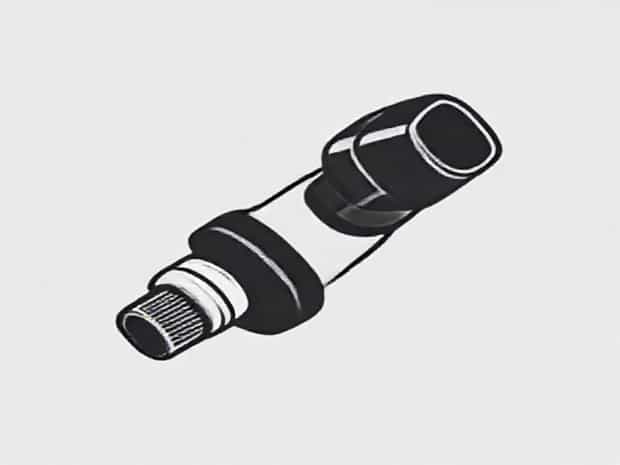
E46 Camshaft Position Sensor
The BMW E46, one of the most beloved models in the 3 Series lineup, is known for its performance, balance, and engineering. However, like many vehicles, it can encounter specific maintenance issues over time. One common problem owners face is related to the camshaft position sensor. The E46 camshaft position sensor plays a vital role in engine management, and when it fails, it can cause frustrating symptoms that affect both performance and drivability. Understanding what the sensor does, how it works, and how to replace it is essential for keeping an E46 running smoothly.
What the Camshaft Position Sensor Does
The camshaft position sensor in a BMW E46 is responsible for monitoring the position of the camshaft relative to the crankshaft. This information is sent to the engine control unit (ECU), which uses it to control ignition timing, fuel injection, and variable valve timing. Without accurate data from this sensor, the ECU cannot properly adjust the engine’s operation.
Main Functions
- Synchronizing the firing of fuel injectors with the intake stroke.
- Assisting in controlling ignition timing for optimal combustion.
- Working with the crankshaft position sensor to manage engine timing.
- Helping regulate the VANOS variable valve timing system in BMW engines.
Because of its importance, a faulty camshaft position sensor can quickly lead to noticeable performance issues in an E46.
Symptoms of a Failing Camshaft Position Sensor
When the camshaft position sensor on an E46 begins to fail, the car often shows clear signs. These symptoms may appear intermittently at first, then become more consistent as the sensor deteriorates.
Common Warning Signs
- Check engine light illuminated on the dashboard.
- Rough idling or engine stalling unexpectedly.
- Difficulty starting the car, especially when the engine is warm.
- Poor acceleration or hesitation during driving.
- Reduced fuel efficiency due to incorrect timing adjustments.
- Limp mode activation, where the car restricts power to protect the engine.
These symptoms are often misdiagnosed as fuel delivery or ignition issues, but scanning the ECU for fault codes usually reveals a problem with the camshaft position sensor.
Causes of Camshaft Sensor Failure in the E46
Several factors can lead to failure of the camshaft position sensor. Since it is an electronic component exposed to heat and vibration, wear and tear are expected over time.
Typical Causes
- Heat damage from prolonged engine operation.
- Internal electrical failures within the sensor.
- Oil contamination seeping into the sensor’s housing.
- Wiring harness damage or corroded connectors.
- General wear from age and high mileage.
The E46 models, especially those with higher mileage, are more prone to experiencing these issues, making replacement of the camshaft sensor a common maintenance task.
Diagnosing the Problem
To confirm whether the camshaft position sensor is faulty, mechanics typically use a diagnostic scanner. The ECU often stores codes such as P0340 or related camshaft position sensor errors. These codes provide a clear indication that the sensor is not providing accurate readings.
Steps in Diagnosis
- Check for error codes using an OBD-II scanner.
- Inspect the wiring and connector for corrosion or loose connections.
- Test the sensor’s electrical output with a multimeter if needed.
- Rule out other possible causes such as crankshaft sensor failure or ignition coil issues.
Accurate diagnosis ensures that the sensor is the actual problem before moving forward with replacement.
Replacing the Camshaft Position Sensor
The process of replacing the E46 camshaft position sensor is relatively straightforward, making it a popular DIY repair among BMW owners. However, it requires careful attention to detail and the correct replacement part.
Tools and Materials Needed
- New camshaft position sensor (OEM or high-quality aftermarket).
- Socket wrench set.
- Screwdrivers and extension bars.
- Dielectric grease for electrical connections.
- OBD-II scanner to clear error codes after replacement.
Basic Replacement Steps
- Disconnect the negative terminal of the car battery.
- Locate the camshaft position sensor near the front of the cylinder head.
- Unplug the electrical connector from the sensor.
- Remove the retaining bolt and carefully pull out the sensor.
- Install the new sensor, secure it with the bolt, and reconnect the wiring.
- Reconnect the battery and clear fault codes using a scanner.
Once replaced, the engine should start smoothly and run without the previous symptoms. In many cases, fuel efficiency and performance also improve immediately.
Cost of Replacement
The cost of replacing an E46 camshaft position sensor depends on whether the repair is done at home or at a professional shop. Parts typically range from $50 to $120 for OEM or quality aftermarket sensors. Labor costs at a shop may add another $100 to $200, depending on location and rates.
Ways to Save Money
- Opting for DIY replacement if comfortable with basic tools.
- Buying OEM-quality aftermarket parts from reputable suppliers.
- Replacing both intake and exhaust camshaft sensors together to prevent repeated labor costs.
Although the cost may seem high, replacing the sensor is far cheaper than dealing with long-term damage from incorrect engine timing.
Preventing Future Issues
While it is impossible to prevent all sensor failures, proper maintenance can extend the lifespan of components like the camshaft position sensor. Keeping the engine clean and addressing oil leaks quickly helps reduce contamination that may damage the sensor. Regular inspections during oil changes can also catch early signs of wear.
Maintenance Tips
- Check connectors for corrosion during routine service.
- Use high-quality engine oil to reduce deposits.
- Inspect and replace crankshaft sensors if similar issues arise.
- Address engine oil leaks promptly to protect electrical components.
These small preventive measures can help BMW E46 owners avoid sudden breakdowns related to camshaft position sensor failure.
The E46 camshaft position sensor is a critical component for engine timing and overall performance. When it fails, symptoms such as rough idling, stalling, and poor acceleration can make driving frustrating. Fortunately, diagnosing and replacing the sensor is straightforward and affordable compared to other repairs. By understanding its role, recognizing the symptoms of failure, and knowing how to replace it, BMW owners can keep their E46 running smoothly. Regular maintenance and prompt attention to issues ensure this classic 3 Series continues delivering the performance and driving pleasure it was designed for.