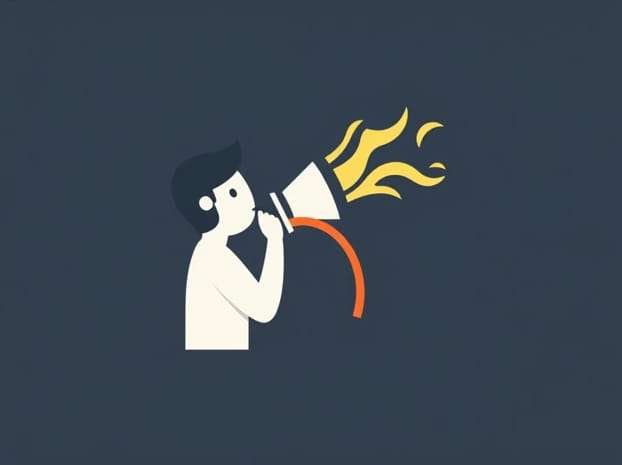
Drinking From The Proverbial Fire Hose
In today’s fast-paced world, it often feels like we are constantly being bombarded with information, tasks, and responsibilities, leaving us struggling to keep up. The expression drinking from the proverbial fire hose perfectly captures this experience of trying to take in an overwhelming amount of information or handle more than one can realistically process at a time. This metaphor evokes the image of someone attempting to drink from a high-pressure fire hose, an impossible task, symbolizing the intense pressure and rapid influx of knowledge, demands, or stimuli that modern life often presents.
Origin of the Phrase
The phrase drinking from the fire hose is believed to have originated in the mid-20th century, often associated with new military recruits or students in demanding training programs. In these contexts, individuals were metaphorically said to be drinking from the fire hose when confronted with massive amounts of information in a short period. The image resonates because, like attempting to drink from a high-pressure hose, absorbing this information can feel chaotic, uncontrollable, and potentially overwhelming.
Common Situations Where the Phrase Applies
This metaphor has found a home in various modern contexts where individuals encounter rapid or excessive information. Some common scenarios include
- Academic SettingsCollege students, especially freshmen, often experience this when adjusting to a new level of coursework, multiple assignments, and rigorous schedules.
- Workplace OverloadNew employees, especially in high-demand industries like tech, finance, or consulting, may feel inundated by training materials, company protocols, and task assignments.
- Digital Information OverloadIn the age of social media and constant connectivity, individuals frequently try to keep up with an overwhelming stream of news, notifications, emails, and messages.
- Personal Life DemandsLife events such as moving, planning a wedding, or managing family responsibilities can create a situation where one feels like they are metaphorically drinking from a fire hose.
The Psychological Impact
Experiencing information overload can have significant psychological effects. Feeling overwhelmed, stressed, and mentally fatigued are common reactions when faced with a fire hose of data or tasks. Individuals may struggle to prioritize, retain information, or make decisions effectively. Prolonged exposure to this state can lead to burnout, anxiety, and decreased productivity. Recognizing the metaphorical fire hose is the first step toward mitigating its impact and developing strategies for coping.
Strategies to Manage Information Overload
While the sensation of drinking from a fire hose can seem unavoidable in certain fast-paced environments, several strategies can help individuals manage and absorb information more effectively
- PrioritizationFocus on the most important or time-sensitive tasks first. Identifying priorities helps reduce the feeling of being overwhelmed.
- Break Information Into ChunksLarge amounts of data are easier to digest when divided into smaller, manageable portions.
- Set BoundariesLimit exposure to non-essential information sources, such as unnecessary emails or social media, during peak work or study periods.
- Active Note-TakingWriting down key points and summaries aids retention and prevents mental overload.
- Time ManagementAllocate specific periods for focused work and breaks to prevent cognitive fatigue.
- Seek SupportCollaborating with colleagues, mentors, or peers can distribute the information load and provide additional perspective.
Applications in Professional Development
In professional development, the drinking from the fire hose metaphor is particularly relevant. Industries such as technology, finance, and healthcare often require rapid onboarding processes where employees must absorb vast amounts of information in a short time. For instance, new software engineers may need to learn coding languages, company protocols, and project requirements simultaneously. Similarly, medical interns must assimilate extensive medical knowledge while managing real-life patient care responsibilities. In these scenarios, developing strategies to cope with the fire hose effect is critical for long-term success.
Educational Contexts
Students frequently encounter the fire hose phenomenon during intensive academic programs. Intensive courses, accelerated programs, or graduate-level studies may bombard students with reading assignments, lectures, and exams. Learning to manage this influx is an essential skill. Techniques such as active learning, peer discussions, and efficient note-taking can help students retain knowledge without feeling overwhelmed.
Technology and Digital Overload
The digital era has amplified the fire hose effect. With constant notifications, emails, news updates, and social media content, individuals are expected to process far more information than ever before. This digital overload can lead to attention fatigue, reduced focus, and difficulty in prioritizing tasks. Implementing tools such as notification filters, time-blocking applications, and scheduled digital detoxes can help individuals regain control over their information intake and reduce the mental strain of trying to consume everything at once.
Positive Aspects of the Fire Hose Experience
While often stressful, drinking from the proverbial fire hose is not inherently negative. Exposure to large amounts of information can accelerate learning, promote adaptability, and enhance problem-solving skills. For individuals who thrive under pressure, it can be an opportunity to develop resilience and sharpen cognitive capabilities. The key is balancing the intensity of information intake with effective coping strategies to avoid negative consequences.
The phrase drinking from the proverbial fire hose vividly describes the challenge of managing overwhelming amounts of information, tasks, or responsibilities. From academic settings to professional environments and the digital world, this metaphor captures the modern struggle to keep up with rapid influxes of knowledge. Understanding the psychological impact and employing strategies such as prioritization, time management, and information chunking can help individuals navigate these high-pressure situations effectively. While the fire hose can be intense, it also offers opportunities for growth, skill development, and adaptability when managed correctly. Recognizing when and how you are drinking from the fire hose allows you to approach information overload strategically, turning a potentially overwhelming experience into a productive and enriching one.