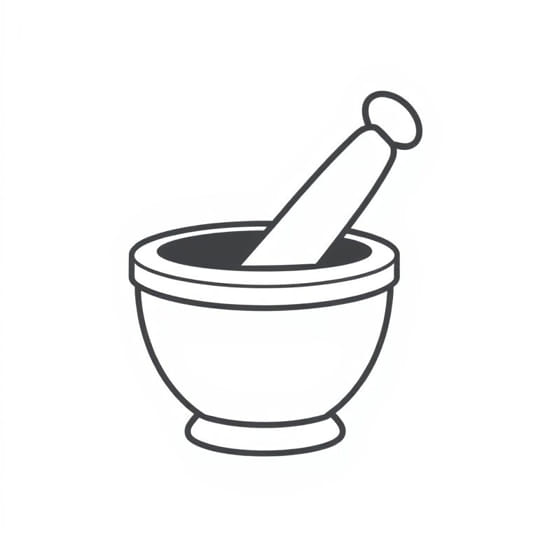
Draw A Mortar And Pestle
Drawing a mortar and pestle can be both a simple and creative exercise, offering an opportunity to explore form, texture, and perspective. The mortar and pestle, a tool with a rich history in cooking, pharmacy, and alchemy, is iconic for its functional simplicity and symbolic representation of blending and transformation. Whether for artistic practice, educational purposes, or design illustration, understanding how to accurately depict this tool requires attention to shape, proportion, and the relationship between its components. A well-executed drawing not only represents the physical object but can also convey a sense of weight, material, and texture, bringing the object to life on paper. Artists often approach this subject with careful observation and techniques that highlight its three-dimensional form, providing an engaging exercise in still life drawing.
Understanding the Mortar and Pestle
Before beginning a drawing, it is essential to understand the basic structure of a mortar and pestle. The mortar is a bowl, typically heavy and rounded, designed to hold substances for grinding or mixing. The pestle is a club-shaped tool used to crush and grind ingredients against the mortar’s surface. Mortars can be made of stone, wood, ceramic, or metal, and their texture often influences how light interacts with the surface. Observing the material, weight, and proportions of both components is critical to creating a realistic and visually appealing illustration.
Components and Features
- MortarBowl-shaped, often with thick walls to resist cracking under pressure.
- PestleCylindrical with a rounded or flat end, proportionate to the mortar’s size.
- MaterialStone, ceramic, wood, or metal, each giving unique texture and weight to the drawing.
- Interior SurfaceSlightly rough for grinding; reflects light differently than the exterior.
- InteractionThe pestle often rests inside or beside the mortar, creating visual balance.
Techniques for Drawing a Mortar and Pestle
Creating a realistic drawing involves several artistic techniques that consider perspective, proportion, and shading. Beginners might start with simple outlines, while more advanced artists focus on texture, light, and depth. Using reference images or observing an actual mortar and pestle can improve accuracy and help capture subtle details.
Step-by-Step Approach
- Outline Basic ShapesBegin with the general forms a circle or oval for the mortar and a cylinder for the pestle.
- Refine ProportionsAdjust the size of the pestle relative to the mortar, ensuring visual harmony.
- Add PerspectiveUse an appropriate viewpoint, such as top-down, side view, or angled perspective, to show depth.
- Detail Edges and CurvesRefine the contours of the mortar rim, pestle handle, and inner bowl.
- Texture and SurfaceUse shading techniques like cross-hatching, stippling, or smooth gradients to suggest material texture.
- Light and ShadowObserve how light falls on the object and cast shadows, emphasizing volume and solidity.
- Final TouchesAdd subtle highlights to suggest reflection and depth, completing the realistic effect.
Choosing Materials for Your Drawing
The choice of drawing medium can influence the final outcome. Pencil and charcoal are excellent for detailed shading and texture, while ink can emphasize bold lines and contours. Watercolor or colored pencils allow the depiction of natural color variations in stone, wood, or ceramic mortars. Each medium requires different handling of light, shadow, and texture to achieve a convincing representation.
Medium Considerations
- PencilVersatile for sketching and detailed shading; allows gradual build-up of tone.
- CharcoalCreates rich darks and strong contrast, suitable for dramatic renderings.
- InkEmphasizes line work and contour, ideal for stylized or minimalist drawings.
- WatercolorAdds subtle color and transparency, enhancing material realism.
- Colored PencilsUseful for layering colors and textures, especially for realistic stone or wood effects.
Capturing Realism and Symbolism
A well-drawn mortar and pestle can go beyond mere representation. Artists often use this tool as a symbol of craftsmanship, culinary tradition, or transformation. Depicting the rough texture of a stone mortar or the worn surface of a wooden pestle can suggest years of use and practical history. Including elements like scattered herbs or spices inside the mortar can further enhance narrative meaning and visual interest. Balancing realism with symbolic content allows the drawing to tell a story, engaging viewers both visually and conceptually.
Enhancing Composition
- Place the mortar and pestle slightly off-center to create dynamic composition.
- Include complementary elements like a wooden table, herbs, or kitchen tools for context.
- Use negative space effectively to focus attention on the main subject.
- Experiment with perspective angles to convey depth and three-dimensionality.
- Consider light direction to enhance form and texture, adding realism.
Common Challenges and Solutions
Drawing a mortar and pestle can pose challenges related to perspective, proportion, and texture. Beginners often struggle with capturing the curvature of the bowl or the weight of the pestle. To overcome these difficulties, artists can
- Use basic geometric shapes as guidelines before refining details.
- Practice shading techniques to convey solidity and volume.
- Observe real objects under different lighting conditions to understand shadows and highlights.
- Experiment with material textures to differentiate between stone, wood, or ceramic surfaces.
- Seek feedback from peers or instructors to improve accuracy and visual appeal.
Applications and Uses of Mortar and Pestle Drawings
Drawings of mortar and pestle are not only artistic exercises but also practical for design, education, and communication. Illustrators use them in cookbooks, herbal guides, or educational materials to convey traditional preparation methods. Artists create still life compositions that explore texture, form, and light. These drawings can also inspire decorative art, print design, and digital media, showing the versatility and enduring relevance of this simple yet meaningful tool.
Practical Applications
- Educational illustrations for chemistry, pharmacology, and cooking.
- Still life compositions in fine art and art classes.
- Graphic design and decorative art for posters, packaging, or media.
- Practice exercises for improving shading, perspective, and texture skills.
- Visual storytelling, highlighting tradition, craftsmanship, and transformation.
Drawing a mortar and pestle offers a rewarding opportunity to practice observation, proportion, and texture, while also exploring symbolic meaning and composition. By carefully observing the structure, material, and interaction of the mortar and pestle, artists can create drawings that are realistic, expressive, and engaging. Whether used for artistic study, educational purposes, or creative expression, the process of drawing this iconic tool enhances technical skills and encourages a deeper appreciation of everyday objects. Through attention to detail, mastery of light and shadow, and thoughtful composition, a drawing of a mortar and pestle can become a compelling visual work that communicates both form and story without words.