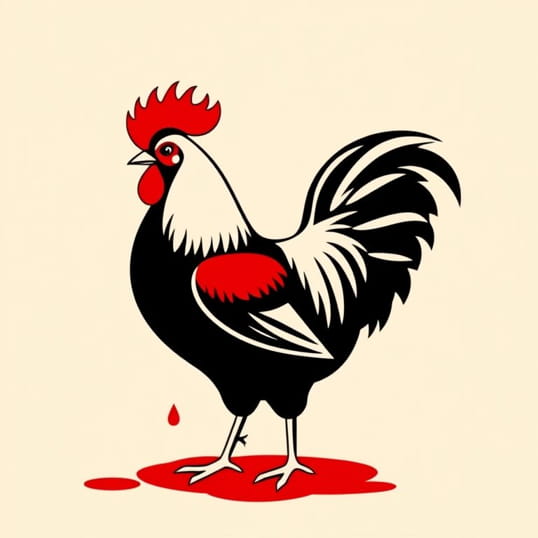
Double Combed Rooster Blood
The double combed rooster blood is a term that may sound unusual to many, but it carries significant importance in poultry breeding, gamefowl culture, and even in traditional symbolism. Roosters with a double comb and bloodline heritage are highly prized for their physical traits, fighting abilities, and aesthetic appeal. Understanding what constitutes a double combed rooster, how their bloodline affects breeding outcomes, and why these birds are valued requires a closer look at genetics, history, and cultural practices surrounding these remarkable birds. Breeders and enthusiasts around the world pay close attention to lineage, health, and performance when selecting double combed roosters for breeding programs or competitions.
What is a Double Combed Rooster?
A double combed rooster refers to a male chicken that possesses two prominent combs on its head, a trait that is relatively rare compared to the standard single comb found in most chickens. The comb is a fleshy crest that grows on top of a rooster’s head and serves multiple purposes, including thermoregulation, sexual signaling, and overall display of health. In double combed roosters, the extra comb or split in the comb is considered an indicator of strong genetic heritage and is often a desirable trait in specific breeds, especially in gamefowl and ornamental chickens.
Physical Characteristics
Double combed roosters are not only identified by their unusual comb structure but also by other distinguishing features that reflect their quality and bloodline. These may include
- Strong, upright posture indicating good muscle development and health.
- Bright, clear eyes that signal alertness and vitality.
- Shiny and well-groomed feathers, often with vibrant colors unique to the breed.
- Robust legs and spurs, which are particularly valued in gamefowl for defense and agility.
Understanding Rooster Bloodline
The term blood in the context of roosters refers to their lineage or pedigree. Breeders carefully track bloodlines to ensure desirable traits are passed from one generation to the next. A strong bloodline often includes characteristics such as temperament, fighting skill, feather quality, and disease resistance. The bloodline of a double combed rooster is particularly important because the comb trait can be inherited, and maintaining pure or superior bloodlines ensures that breeders can produce offspring with the desired physical and behavioral attributes.
Genetic Importance
Double combs in roosters are controlled by specific genetic factors. Breeding programs often focus on pairing birds with the right genetic makeup to enhance the likelihood of producing double combed offspring. Beyond appearance, genetics also influence other aspects of the rooster, such as
- Vigor and overall health.
- Fertility rates of hens mated with the rooster.
- Resistance to common poultry diseases and environmental stress.
- Behavioral traits, including aggression or docility.
Cultural and Historical Significance
Double combed roosters have a rich history in various cultures, often symbolizing strength, virility, and courage. In some traditional societies, these birds were used in ceremonial practices or as symbols of prestige. In modern times, double combed roosters are particularly valued in the world of gamefowl, where their bloodline and physical traits are meticulously preserved for competition and breeding purposes.
Gamefowl and Competitions
In regions where gamefowl competitions are popular, such as Southeast Asia and parts of Latin America, double combed roosters are often seen as superior due to their combination of genetics and physical attributes. These birds are evaluated on
- Agility and speed during matches or displays.
- Strength and endurance, which are indicators of breeding quality.
- Appearance and symmetry of the combs, feathers, and overall body structure.
- Temperament, with highly responsive or assertive roosters preferred for performance.
Breeding Considerations
Breeding double combed roosters requires knowledge of genetics, careful selection of breeding pairs, and attention to environmental factors. Breeders aim to enhance specific traits while maintaining genetic diversity to avoid inbreeding. Some key considerations include
Selection of Breeding Stock
Breeders often select roosters and hens with proven lineage, health, and desirable physical traits. Bloodlines are documented to track inheritance patterns and ensure consistency in the offspring.
Environmental Factors
The health and appearance of double combed roosters are influenced by diet, housing, and care. Proper nutrition, clean living spaces, and protection from predators and disease are essential to maintain the quality of the bloodline.
Record Keeping
Keeping detailed records of breeding history, comb traits, and offspring performance allows breeders to make informed decisions and improve the quality of future generations. Accurate records also help preserve rare or unique traits within a bloodline.
Health and Care
Maintaining the health of double combed roosters is crucial for successful breeding and longevity. Common health considerations include
- Regular vaccination and parasite control to prevent common poultry diseases.
- Balanced nutrition with appropriate levels of protein, vitamins, and minerals.
- Monitoring for injuries, particularly in competitive or free-ranging environments.
- Providing ample space for exercise and social interaction to prevent stress and aggression-related injuries.
Economic and Market Value
Double combed roosters with strong bloodlines are often more valuable than standard roosters, especially in the gamefowl market. Their rarity, physical traits, and proven genetic quality can significantly increase their market price. Collectors, breeders, and enthusiasts are willing to invest in these birds for competition, breeding, or ornamental purposes.
Factors Influencing Value
- Purity and documentation of the bloodline.
- Distinctiveness of the double comb and overall appearance.
- Performance record in competitions or trials.
- Health status and absence of genetic defects.
Double combed roosters are unique and highly prized birds in poultry breeding due to their distinctive comb, strong genetic bloodline, and historical significance. Their value extends beyond aesthetics to include performance, health, and breeding potential. Understanding the genetics, care, and cultural importance of these birds allows breeders and enthusiasts to preserve superior bloodlines and maintain the quality of future generations. Whether for competition, ornamental purposes, or historical appreciation, double combed roosters symbolize strength, vitality, and meticulous breeding practices that continue to fascinate poultry enthusiasts worldwide.