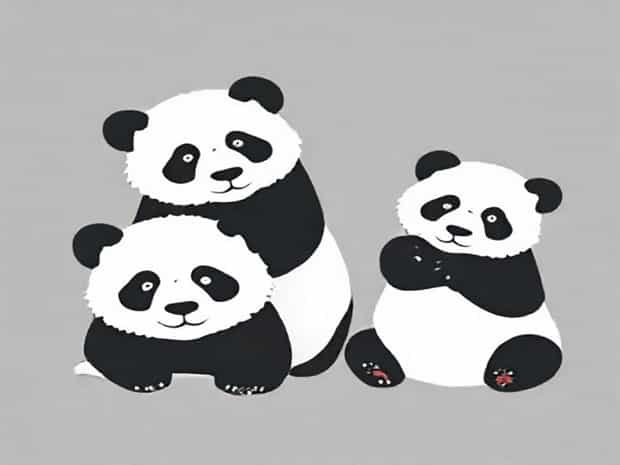
Dogs Painted As Pandas
In recent years, a curious trend has appeared in pet culture dogs painted as pandas. This phenomenon has fascinated animal lovers, sparked debates online, and inspired countless photos shared on social media. The idea is simple through grooming techniques, safe pet dyes, and creative styling, ordinary dogs, often fluffy breeds, are transformed to resemble giant pandas. While some people see this as a playful and harmless expression of creativity, others question whether it is ethical to paint dogs in such a way. Exploring this topic reveals insights into human imagination, cultural influence, and our evolving relationship with pets.
What Does It Mean to Paint Dogs as Pandas?
Painting dogs as pandas typically refers to the process of grooming and coloring a dog’s fur to mimic the iconic black-and-white look of a panda. This does not involve permanent changes or harmful substances when done responsibly. Instead, pet-safe dyes and careful styling are used to give the illusion that the dog is dressed in panda-like fur. The trend has grown popular in parts of Asia, especially China, where pandas hold strong cultural symbolism, but it has also spread worldwide through viral images and videos.
Breeds Commonly Used for Panda Styling
Not all dogs are suitable for being styled as pandas. Breeds with thick, fluffy coats are most often chosen because their fur can be shaped and colored effectively. Some of the most common breeds include
- Chow Chows– Known for their lion-like mane and thick coat, making them ideal for panda transformations.
- Poodles– Their curly fur can hold dye well and can be shaped creatively by groomers.
- Samoyeds– With their naturally white fur, they provide a perfect canvas for adding black panda markings.
- Bichon Frises– Their fluffy coats make them excellent for creating round, panda-like appearances.
These breeds are chosen not only for their fur but also for their friendly temperaments, which make them more tolerant of grooming sessions.
How Dogs Are Painted as Pandas
The process of painting dogs as pandas usually involves several steps to ensure safety and appearance. Professional groomers follow methods such as
- Bathing the dog thoroughly before applying any coloring.
- Using non-toxic, pet-safe dyes designed specifically for animals.
- Applying black dye around the eyes, ears, and legs to mimic panda markings.
- Shaping the fur through trimming and blow-drying to enhance the round panda-like look.
In reputable grooming salons, the process avoids causing discomfort to the dog and emphasizes short-term styling rather than permanent alteration.
Why Are Dogs Painted as Pandas?
The reasons behind this trend vary from entertainment to cultural pride. Some of the main motivations include
- Novelty– People enjoy the playful illusion of seeing a dog transformed into a panda.
- Photography and media– Painted dogs often go viral on social platforms, attracting attention and admiration.
- Cultural connection– In China, pandas are a symbol of national pride, and recreating their image in pets is seen as endearing.
- Commercial appeal– Grooming businesses may use panda-painted dogs to attract customers and showcase their creativity.
The Debate Around Dogs Painted as Pandas
While many people see the practice as harmless fun, others raise concerns. The debate generally focuses on three key issues animal welfare, ethical considerations, and cultural values.
Animal Welfare Concerns
The most common criticism is whether dyeing a dog’s fur is safe. If non-toxic dyes are used, the process is generally harmless, but improper techniques or use of unsafe products could lead to skin irritation, stress, or health risks. Critics argue that even with safe products, the process may be stressful for some dogs, especially those not accustomed to grooming.
Ethical Questions
Some people believe dogs should not be styled purely for human amusement. They argue that animals are not accessories or canvases for creativity, and transforming them into panda lookalikes may prioritize human entertainment over the dignity of the animal. On the other hand, supporters argue that as long as the dogs are comfortable and safe, grooming can be seen as a form of bonding and harmless fun.
Cultural Differences
In regions where pandas hold strong symbolic meaning, painting dogs as pandas may be celebrated as a creative tribute. However, in other places, it may be viewed as unnecessary or even exploitative. This reflects broader cultural differences in how people view animals and expressions of creativity.
Public Reactions and Media Influence
Images of dogs painted as pandas often go viral, sparking discussions online. Reactions tend to be divided
- Some people find the dogs adorable and appreciate the artistry involved.
- Others express concern over whether the practice is safe or respectful to the animals.
- Animal welfare groups sometimes release statements reminding owners to prioritize pet health over aesthetics.
Regardless of opinion, the attention these images generate proves the power of visual culture in shaping trends and debates.
Alternatives to Painting Dogs
For owners who want their dogs to look like pandas without dyeing their fur, alternatives exist
- Panda-themed dog costumes– Outfits that mimic panda markings without altering the dog’s fur.
- Accessories– Bandanas, hats, or harnesses with panda designs.
- Photo editing– Using filters or digital tools to create panda-like appearances without changing the dog’s coat.
These alternatives provide a fun way to join the trend without involving dyes or grooming processes.
The Symbolism of Pandas and Dogs
Part of the fascination with dogs painted as pandas comes from the symbolic qualities of both animals. Pandas are often associated with peace, gentleness, and national pride, while dogs represent loyalty, companionship, and playfulness. Combining these qualities through visual transformation may explain why the trend resonates with so many people it unites two beloved animals into one imaginative creation.
Future of the Trend
Whether dogs painted as pandas will remain popular is uncertain. As awareness of animal welfare continues to grow, more people may question the practice. At the same time, creative grooming remains a strong niche, and new techniques and products may make the process safer and more widely accepted. The trend highlights how quickly ideas can spread globally through digital platforms and how cultural practices influence pet care and styling.
Dogs painted as pandas are a striking example of how human creativity interacts with the animal world. While some see it as harmless fun and a way to celebrate two beloved animals, others view it as unnecessary and potentially stressful for dogs. The trend sparks important conversations about animal welfare, cultural expression, and the boundaries of creativity. Ultimately, the practice reminds us of how deeply people value both dogs and pandas, and how far they are willing to go to merge the charm of both creatures into a single, eye-catching image.
Word count ~1010