Does Toyota Own Lexus
Toyota and Lexus are two automotive brands that are closely associated with each other in the minds of consumers worldwide. While Toyota is a globally recognized Japanese automobile manufacturer known for its reliability, affordability, and innovation, Lexus represents the luxury and premium segment of vehicles produced under Toyota’s guidance. Many people wonder whether Toyota owns Lexus, and understanding this relationship requires examining the history, corporate structure, branding strategy, and market positioning of both companies.
Overview of Toyota
Toyota Motor Corporation, founded in 1937 and headquartered in Toyota City, Japan, is one of the largest and most influential automobile manufacturers in the world. Known for its extensive lineup of vehicles ranging from compact cars to trucks and hybrids, Toyota has built a reputation for reliability, fuel efficiency, and technological innovation. The company has consistently been a leader in production techniques, such as the Toyota Production System, which emphasizes lean manufacturing and high-quality standards. Toyota operates in multiple markets worldwide and maintains a strong global presence, producing millions of vehicles annually.
Toyota’s Business Strategy
Toyota’s business strategy is centered around efficiency, innovation, and broad market appeal. The company targets a diverse range of consumers, from budget-conscious buyers to environmentally conscious drivers seeking hybrid and electric vehicles. Toyota has also developed various sub-brands and subsidiaries to cater to specific segments, ensuring a competitive edge in both mainstream and specialized markets.
Introduction to Lexus
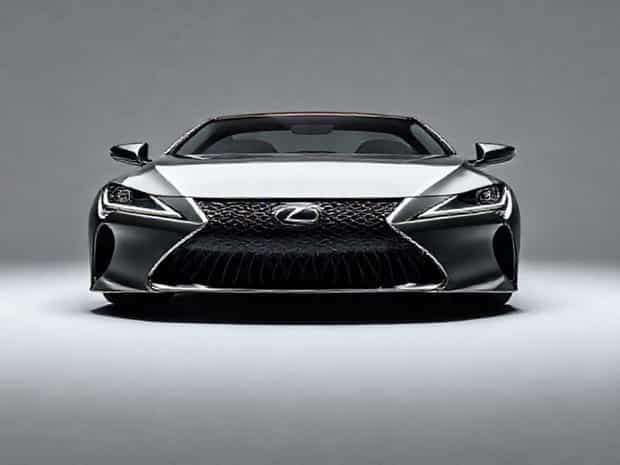
Lexus was launched in 1989 as Toyota’s luxury vehicle division. The brand was created to compete with established European luxury car manufacturers such as Mercedes-Benz, BMW, and Audi in the North American and global markets. Lexus quickly gained a reputation for luxury, precision engineering, cutting-edge technology, and exceptional customer service. Its product lineup includes sedans, SUVs, coupes, and hybrid models, all designed to offer premium experiences and superior craftsmanship.
Branding and Market Positioning
Lexus operates as a separate brand from Toyota, focusing exclusively on the luxury and premium segment. This separation allows Lexus to maintain a distinct brand identity, including unique design philosophies, marketing strategies, and customer experiences. Lexus dealerships often emphasize personalized service, upscale showrooms, and attention to detail, differentiating the brand from the more mainstream Toyota vehicles. Despite being a subsidiary, Lexus has its own research, development, and design teams to ensure its products meet the expectations of luxury consumers.
Corporate Relationship Between Toyota and Lexus
Yes, Toyota owns Lexus. Lexus is a wholly owned subsidiary of Toyota Motor Corporation. While Lexus functions as an independent brand in terms of marketing and product development, it relies on Toyota’s extensive resources, manufacturing capabilities, and technological innovations. The ownership structure allows Toyota to leverage its engineering expertise and production efficiency to support Lexus, while still allowing Lexus to establish itself as a luxury brand with a separate identity.
Advantages of Toyota Owning Lexus
- Shared TechnologyLexus benefits from Toyota’s advanced engineering, hybrid systems, and safety technologies, ensuring high-quality vehicles with innovative features.
- Manufacturing EfficiencyUtilizing Toyota’s global manufacturing infrastructure reduces production costs and improves reliability for Lexus models.
- Financial SupportBeing part of Toyota provides Lexus with strong financial backing, enabling investments in research, development, and global expansion.
- Global ReachToyota’s established international presence helps Lexus enter new markets and maintain consistent quality and service standards worldwide.
Historical Context and Launch Strategy
The creation of Lexus was a strategic move by Toyota to enter the luxury car market without diluting its mainstream brand image. In the late 1980s, Toyota recognized a growing demand for high-end vehicles, particularly in North America. By establishing Lexus as a separate brand, Toyota was able to compete effectively in the luxury segment while maintaining Toyota’s reputation for affordability and reliability. The first Lexus model, the LS 400, was introduced in 1989 and received widespread acclaim for its performance, comfort, and value, setting the foundation for Lexus’ success globally.
Global Expansion of Lexus
After its successful debut in the United States, Lexus expanded to other markets including Europe, Asia, and the Middle East. Each expansion leveraged Toyota’s logistical and manufacturing strengths while adapting to local luxury consumer preferences. This dual approach using Toyota’s resources while establishing a unique Lexus brand identity enabled rapid growth and established Lexus as a major player in the global luxury automotive market.
Differences Between Toyota and Lexus Vehicles
While Toyota and Lexus share engineering expertise, their vehicles cater to different market segments. Toyota vehicles prioritize practicality, reliability, fuel efficiency, and affordability. They appeal to a broad audience seeking dependable transportation for everyday use. Lexus, on the other hand, emphasizes luxury, performance, cutting-edge technology, and premium materials. Lexus vehicles often include advanced features such as adaptive cruise control, high-end audio systems, and luxury interior finishes that are not standard in Toyota models.
Consumer Perception and Brand Loyalty
The distinction between Toyota and Lexus is crucial for maintaining brand loyalty and market perception. Consumers view Lexus as a luxury alternative that provides exclusivity and superior service, whereas Toyota is seen as a practical, trustworthy option for a wide range of drivers. This separation allows Toyota to cater to multiple market segments without compromising either brand’s identity or value proposition.
Toyota does indeed own Lexus, but the relationship is structured to allow Lexus to operate as a separate luxury brand. Toyota’s ownership provides Lexus with financial backing, technological support, and manufacturing expertise, while Lexus maintains its distinct identity in the luxury automotive market. This strategic approach has enabled Toyota to compete effectively in both mainstream and premium segments, offering a diverse range of vehicles to consumers worldwide. Understanding this relationship clarifies the corporate and strategic dynamics between the two brands and highlights how Toyota has successfully leveraged its resources to establish a globally recognized luxury brand in Lexus.