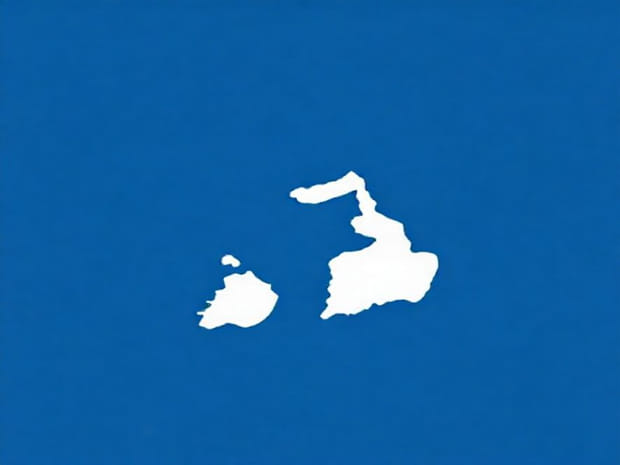
Does The Uk Own The Falkland Islands
The question of whether the United Kingdom owns the Falkland Islands has been a subject of international debate, historical conflict, and political discussion for centuries. The Falkland Islands, located in the South Atlantic Ocean, are a remote and sparsely populated territory, yet they hold significant strategic, economic, and symbolic importance. The islands have a complex history of claims, settlement, and governance that involves both the UK and Argentina. Understanding the current status of the Falkland Islands requires examining historical claims, international law, political perspectives, and the preferences of the islands’ residents. This topic also illustrates how sovereignty disputes can persist despite military, legal, and diplomatic efforts over time.
Historical Background of the Falkland Islands
The Falkland Islands have been known to European explorers since the 16th century, with both British and Spanish navigators charting the territory. Over the years, the islands were claimed by several nations, including France, Spain, and later Argentina. The United Kingdom first established a permanent settlement in the early 19th century, which marked the beginning of continuous British administration. Argentina, which had declared independence from Spain, also claimed sovereignty over the islands during the same period, creating a foundation for long-term disputes.
Early Settlements and Claims
- French explorers established the first settlement in 1764, later ceded to Spain.
- British settlers arrived in 1765, asserting claims based on discovery and settlement.
- Argentina declared sovereignty after independence, claiming succession from Spain’s territorial rights.
British Administration and Control
The United Kingdom has maintained administrative control over the Falkland Islands since 1833, apart from brief periods of occupation by foreign powers. British governance includes local administration, law enforcement, and provision of public services. The islands operate under a degree of self-governance, with a locally elected legislative assembly, while the UK retains responsibility for defense and foreign affairs. This administrative framework has reinforced the perception of British sovereignty in practice, even amidst ongoing disputes.
Legal and Political Status
The Falkland Islands are officially classified as a British Overseas Territory. This status means the UK government holds ultimate sovereignty but grants the islands autonomy in internal matters. The British government provides defense and represents the islands internationally. Residents of the Falklands are British citizens and enjoy rights associated with UK nationality. The combination of local governance and UK oversight has strengthened the practical and legal presence of the United Kingdom on the islands.
Argentina’s Claims and International Dispute
Argentina continues to assert that the Falkland Islands, which it calls the Malvinas, are part of its national territory. Argentine claims are based on geographical proximity, historical succession from Spanish rule, and the principle of territorial integrity. The dispute has led to periodic diplomatic tensions and, most notably, the Falklands War in 1982. Argentina invaded the islands, prompting a military response from the United Kingdom that resulted in British victory and restoration of control over the territory.
Diplomatic Efforts and UN Involvement
- The United Nations has discussed the Falklands dispute through various resolutions, encouraging peaceful negotiation.
- Argentina has consistently brought the issue to international forums, advocating for sovereignty transfer.
- The UK maintains that sovereignty is settled and that the wishes of the islanders must be respected.
Falklands War of 1982
The Falklands War is a key event in the history of the sovereignty dispute. On April 2, 1982, Argentina invaded the islands, prompting a ten-week conflict with the United Kingdom. British forces successfully reclaimed the territory by June 1982, resulting in military, political, and human consequences for both nations. The war reinforced British control and demonstrated the UK’s commitment to defending the islands. Although the conflict did not resolve the sovereignty dispute, it solidified the British administrative presence and highlighted the strategic importance of the islands.
Impact of the War
- Military victory reaffirmed British administration over the Falklands.
- International attention increased awareness of the sovereignty dispute.
- The conflict shaped future diplomatic negotiations and defense planning.
Current Governance and Administration
Today, the Falkland Islands operate as a self-governing British Overseas Territory. The islands have their own legislative assembly, local government, and judicial system. The UK provides defense, foreign policy guidance, and financial support when necessary. The residents’ British citizenship and self-governance reinforce the practical control of the United Kingdom, even as Argentina continues to claim sovereignty. The governance model also ensures that the islanders’ political and civil rights are protected within a framework aligned with UK law.
Economic and Strategic Importance
- The islands have economic significance through fishing, tourism, and potential oil exploration.
- Strategically located in the South Atlantic, the Falklands offer military and logistical advantages.
- Self-sufficient administration allows residents to manage local resources while benefiting from UK defense and support.
Local Population and Referendum
The views of the Falkland Islands’ residents are a central element in the sovereignty question. In a 2013 referendum, the majority of islanders voted overwhelmingly to remain a British Overseas Territory. This democratic exercise reflected the population’s desire to maintain ties with the United Kingdom rather than transfer sovereignty to Argentina. The referendum has provided the UK with strong political support for its position in international discussions and reinforced the principle of self-determination in the territory.
Self-Determination Principle
- The Falklands’ residents have consistently expressed a preference for British governance.
- International law recognizes the principle of self-determination, supporting the islands’ choice.
- Local governance structures reflect the residents’ rights to participate in decision-making processes.
International Perspectives
The question of whether the UK owns the Falkland Islands is viewed differently by various countries and international organizations. While most recognize the UK’s administrative control, many support diplomatic dialogue to address Argentina’s claims. The dispute is managed through diplomacy, international law, and discussions within organizations like the United Nations. Both the UK and Argentina continue to engage in political and economic strategies to advance their respective positions, making the sovereignty issue a long-standing international concern.
Diplomatic Implications
- The dispute affects UK-Argentina relations and regional diplomacy in South America.
- International forums often encourage negotiation rather than military action.
- The sovereignty question influences defense policies, trade, and geopolitical strategy.
In practical terms, the United Kingdom maintains ownership and administration of the Falkland Islands, with governance, defense, and international representation firmly under British control. The islands function as a self-governing British Overseas Territory, and the residents overwhelmingly prefer to remain under UK sovereignty. Argentina continues to claim the islands based on historical and geographical arguments, resulting in a long-standing international dispute. Understanding the situation requires examining historical claims, military conflicts, local governance, and international law. While the sovereignty question remains contested diplomatically, the UK’s effective control and the principle of self-determination for the islanders currently define the status of the Falkland Islands, confirming that, in practice, the United Kingdom owns and governs the territory.