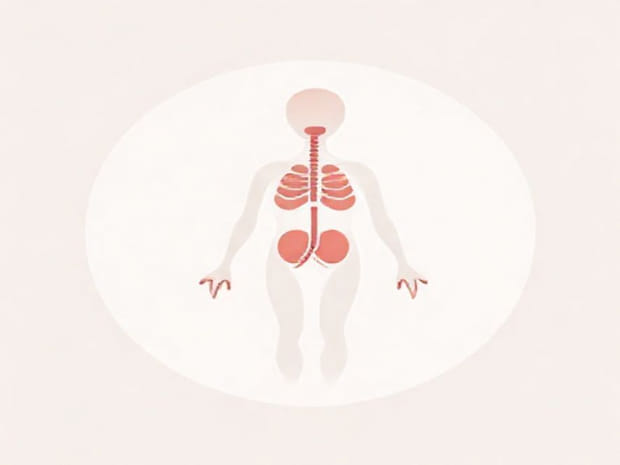
Does The Endocrine System Maintain Homeostasis
The human body is an intricate system that constantly works to keep itself balanced, even when faced with external and internal changes. One of the most important systems responsible for this balance is the endocrine system. By releasing hormones into the bloodstream, the endocrine system helps regulate a wide range of processes, from metabolism and energy use to growth, development, and stress response. The question of whether the endocrine system maintains homeostasis can be answered with certainty it plays a central role. To understand how, we need to explore the ways in which endocrine glands, hormones, and feedback loops interact to keep the body in equilibrium.
Defining Homeostasis
Homeostasis refers to the ability of the body to maintain stable internal conditions despite fluctuations in the external environment. Examples include keeping blood sugar within a narrow range, regulating body temperature, and balancing water and electrolyte levels. This stability is essential for cells to function properly. Without homeostasis, vital processes would be disrupted, leading to illness or even death. While many body systems contribute to homeostasis, the endocrine system works as one of the main regulators alongside the nervous system.
The Role of the Endocrine System
The endocrine system maintains homeostasis primarily through the secretion of hormones. These chemical messengers travel through the bloodstream to target organs, signaling them to act in ways that restore balance. For example, when blood sugar levels rise, hormones are released to lower it, and when levels drop, other hormones work to increase it. Unlike the nervous system, which responds almost instantly, the endocrine system works more slowly but with longer-lasting effects, ensuring that balance is maintained over time.
Endocrine Glands and Hormones
The endocrine system is composed of glands that release hormones directly into the bloodstream. Some of the most important glands involved in homeostasis include
- HypothalamusActs as the command center linking the nervous system to the endocrine system.
- Pituitary glandKnown as the master gland” because it regulates other endocrine glands.
- Thyroid glandControls metabolism and energy regulation.
- Adrenal glandsRegulate stress response and salt-water balance.
- PancreasMaintains blood glucose balance through insulin and glucagon.
Feedback Loops in Homeostasis
The endocrine system relies on feedback loops to maintain homeostasis. These loops can be negative or positive, though negative feedback is more common. Negative feedback works by reversing changes, bringing the body back to its normal range. For example, if body temperature rises, the hypothalamus detects the change and initiates responses to cool the body down. Similarly, if blood sugar increases, the pancreas releases insulin to bring it back down. These loops ensure that conditions remain stable.
Examples of Negative Feedback
Some of the clearest examples of endocrine system regulation through negative feedback include
- Blood sugar regulationInsulin lowers blood glucose, while glucagon raises it, keeping levels stable.
- Thyroid hormone controlThe hypothalamus and pituitary monitor thyroid hormone levels and adjust their signals accordingly.
- Cortisol releaseThe adrenal glands release cortisol during stress, but once levels are sufficient, feedback signals reduce production.
Endocrine System and Temperature Regulation
While the nervous system plays a large role in temperature control, the endocrine system supports this process. The thyroid gland, for example, produces hormones that influence metabolic rate, which in turn affects heat production. By adjusting metabolic activity, the endocrine system contributes to keeping body temperature within the normal range, preventing dangerous fluctuations.
Fluid and Electrolyte Balance
The endocrine system also helps regulate fluid and electrolyte balance, which is vital for maintaining blood pressure and cell function. The adrenal glands secrete hormones like aldosterone that control sodium and water reabsorption in the kidneys. This process ensures that blood volume and pressure remain within healthy limits. Without such regulation, dehydration, high blood pressure, or organ stress could occur.
Stress Response and Homeostasis
Stress places a heavy demand on the body, and the endocrine system is central to managing this challenge. The adrenal glands release cortisol and adrenaline, hormones that prepare the body for action by increasing energy availability and alertness. While this may seem disruptive to balance, it is actually an adaptive mechanism that helps the body survive. Once the stress passes, hormone levels return to normal, restoring homeostasis. Chronic stress, however, can overwhelm this system and lead to health problems.
Growth, Development, and Energy Balance
Another way the endocrine system maintains homeostasis is by regulating growth and development. The pituitary gland releases growth hormone, which ensures tissues develop at the proper rate. The thyroid gland influences energy metabolism, ensuring that the body has enough fuel to function without excessive waste. These processes highlight how homeostasis is not only about immediate survival but also about long-term balance and adaptation.
Endocrine System in Adolescence
During puberty, the endocrine system releases sex hormones that guide development of reproductive systems and secondary sexual characteristics. While this period involves rapid change, the system still maintains homeostasis by ensuring that hormonal surges remain within controlled ranges. This balance is crucial for proper development and long-term health.
Coordination with the Nervous System
The nervous and endocrine systems often work together to maintain homeostasis. The hypothalamus is the best example of this coordination, as it receives nervous signals and responds by stimulating the pituitary gland to release hormones. This integration allows the body to respond quickly to immediate changes and also maintain long-term balance through hormonal control.
Disruption of Endocrine Homeostasis
When the endocrine system malfunctions, homeostasis is disrupted, leading to various disorders. For instance
- Diabetes mellitusCaused by insufficient insulin production or resistance, disrupting blood sugar regulation.
- Hyperthyroidism or hypothyroidismImbalances in thyroid hormones that affect metabolism and energy use.
- Addison’s diseaseInsufficient adrenal hormone production, leading to weakness and low blood pressure.
- Cushing’s syndromeExcess cortisol that disrupts normal metabolic balance.
These examples show how vital the endocrine system is to maintaining equilibrium and how disruptions can significantly impact health.
Yes, the endocrine system maintains homeostasis. It achieves this by releasing hormones that regulate blood sugar, metabolism, stress response, growth, and fluid balance. Through negative feedback loops and coordination with the nervous system, the endocrine system ensures that internal conditions remain stable even when the external environment changes. When this system works properly, it allows the body to adapt, survive, and thrive. But when it is disrupted, the consequences clearly demonstrate just how central the endocrine system is to maintaining life’s delicate balance.