Does The Circulatory System Maintain Homeostasis
The human body is an intricate system made up of organs, tissues, and processes that must remain in balance for survival. One of the central players in this balance is the circulatory system, which works tirelessly to move blood, nutrients, gases, and waste throughout the body. Many people wonder if the circulatory system plays a role in maintaining homeostasis, and the answer is a definite yes. Homeostasis refers to the ability of the body to maintain a stable internal environment despite external changes. The circulatory system ensures that conditions such as temperature, pH, oxygen levels, and nutrient supply remain within healthy ranges, making it an essential system for life and health.
Understanding Homeostasis
Before diving into the connection between the circulatory system and homeostasis, it helps to understand what homeostasis really means. It is the state of equilibrium in which internal conditions are kept within a narrow range. For example, body temperature is maintained around 37°C, blood glucose is regulated at safe levels, and oxygen concentration in tissues is kept stable. This stability allows cells to function properly, enzymes to perform optimally, and organs to work together in harmony.
The Circulatory System and Its Functions
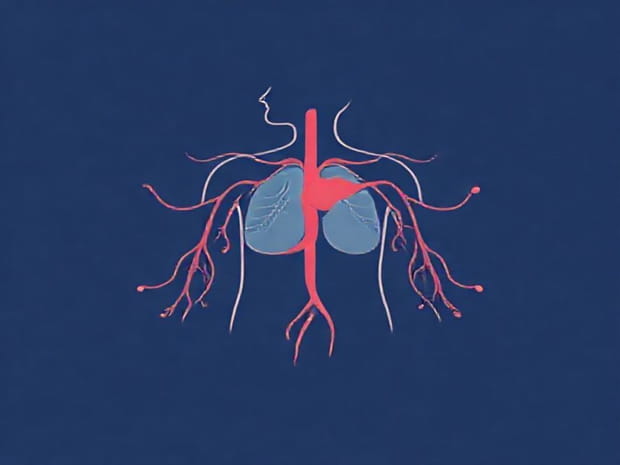
The circulatory system consists of the heart, blood, and blood vessels. Together, they form a transport network that is vital for sustaining life. The heart pumps blood, the vessels carry it to all parts of the body, and blood itself contains the oxygen, nutrients, hormones, and immune cells necessary for health. Beyond transport, the circulatory system is deeply tied to homeostasis through its regulatory functions.
Key Components
- HeartThe pump that drives blood flow through the body.
- Blood vesselsArteries, veins, and capillaries that deliver and collect blood.
- BloodThe fluid carrying oxygen, carbon dioxide, nutrients, hormones, and waste.
These components are not just passive parts of circulation. They actively respond to changes in the environment and help the body adjust to maintain homeostasis.
Regulation of Body Temperature
One of the clearest examples of how the circulatory system maintains homeostasis is in temperature regulation. When the body becomes too warm, blood vessels near the skin widen in a process called vasodilation. This increases blood flow to the skin, allowing heat to escape into the environment. On the other hand, when the body is too cold, vasoconstriction occurs, narrowing blood vessels to conserve heat. This dynamic adjustment is crucial for survival, especially in changing climates.
Oxygen and Carbon Dioxide Balance
Another critical role of the circulatory system in homeostasis is maintaining proper oxygen and carbon dioxide levels. Cells need oxygen for cellular respiration, and they produce carbon dioxide as a waste product. The circulatory system delivers oxygen-rich blood from the lungs to tissues and carries carbon dioxide back to the lungs for exhalation. This constant exchange keeps blood gases within safe limits and prevents harmful conditions like hypoxia or acidosis.
Transport of Nutrients and Hormones
Homeostasis also depends on the availability of nutrients and the regulation of body processes through hormones. The circulatory system delivers glucose, amino acids, and fatty acids from the digestive system to cells, ensuring that energy demands are met. At the same time, hormones released by glands travel through the bloodstream to target organs, controlling processes such as growth, metabolism, and stress response. Without this distribution network, the body would not be able to coordinate its functions effectively.
Waste Removal and pH Control
Equally important to maintaining homeostasis is the removal of waste products. The circulatory system carries metabolic wastes like urea and creatinine to the kidneys for filtration. It also transports excess carbon dioxide to the lungs for removal. By assisting in waste elimination, the circulatory system prevents toxic build-up that could disrupt cellular function. Furthermore, blood contains buffers that stabilize pH levels, keeping the body’s internal environment within a narrow, safe range.
Immune System Support
Homeostasis is not only about temperature and chemistry but also about protecting the body from harmful invaders. The circulatory system plays a vital role in immune defense by transporting white blood cells, antibodies, and other immune components to areas of infection or injury. This rapid response helps the body maintain stability in the face of threats from bacteria, viruses, and toxins.
Fluid Balance and Blood Pressure
The circulatory system also maintains fluid balance and blood pressure, both of which are critical for homeostasis. Blood pressure ensures that blood can reach all tissues, while fluid balance prevents cells from swelling or shrinking. Through interactions with the kidneys and endocrine system, the circulatory system helps regulate how much water and electrolytes are retained or excreted, ensuring stability even when hydration levels fluctuate.
Examples of Regulation
- When blood pressure drops, the heart rate increases and blood vessels constrict to restore balance.
- When salt levels are high, the kidneys excrete more sodium to prevent imbalances.
- When the body is dehydrated, hormones signal the kidneys to conserve water, stabilizing blood volume.
The Circulatory System and Stress Response
Homeostasis is not only challenged by external temperature or oxygen levels but also by stress. When the body experiences stress, the circulatory system responds immediately by increasing heart rate and blood pressure to prepare for action. Hormones like adrenaline are released into the bloodstream, ensuring that muscles and organs receive the energy needed to cope with the challenge. After the stress passes, the system returns to normal, once again stabilizing internal conditions.
Interaction with Other Systems
One of the most important aspects of the circulatory system’s role in homeostasis is how it interacts with other systems in the body. For example, the respiratory system provides oxygen and removes carbon dioxide, while the digestive system supplies nutrients. The kidneys and endocrine system regulate fluid and electrolyte balance. The circulatory system ties these processes together, acting as the delivery and communication network that allows them to coordinate effectively.
When Homeostasis Fails
If the circulatory system is impaired, homeostasis can break down quickly. Conditions such as heart failure, hypertension, or anemia demonstrate how vital circulation is to stability. For instance, reduced blood flow can deprive tissues of oxygen, leading to organ damage. Poor circulation of immune cells can make the body vulnerable to infections. These examples highlight the importance of a healthy circulatory system for maintaining balance.
Yes, the circulatory system absolutely maintains homeostasis by regulating temperature, delivering oxygen and nutrients, removing waste, supporting the immune system, and balancing fluids and pH. It is a central part of the body’s ability to adapt to both internal and external changes. Without the circulatory system, homeostasis would be impossible, and life could not be sustained. This interconnected network of heart, blood, and vessels ensures that the body remains stable, resilient, and capable of thriving in different environments.