Does San Pedro Cactus Have Mescaline
The San Pedro cactus, scientifically known as Echinopsis pachanoi, is a fast-growing columnar cactus native to the Andes Mountains in South America. For centuries, it has been used in traditional medicine and spiritual practices by indigenous cultures, particularly in Peru and Ecuador. One of the key questions that surrounds this cactus is whether it contains mescaline, a naturally occurring psychoactive alkaloid known for its hallucinogenic properties. Understanding the chemical composition of San Pedro cactus and its traditional uses is essential for both scientific research and those curious about its effects.
Introduction to San Pedro Cactus
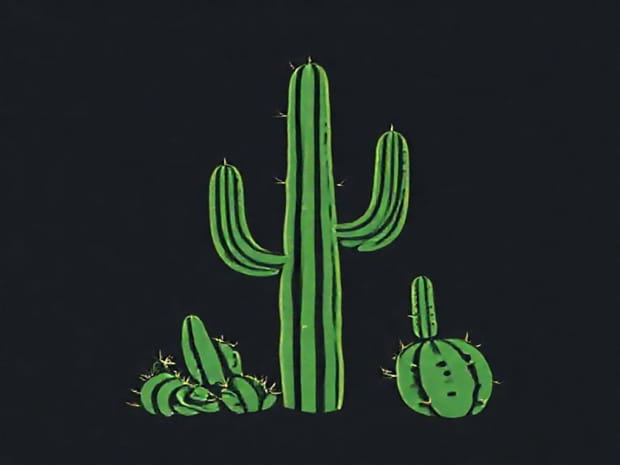
The San Pedro cactus is characterized by its tall, green columns that can grow up to 6 meters in height under natural conditions. It features multiple ribs along its stems and produces fragrant white flowers that bloom at night. In traditional Andean medicine, the cactus has been used for thousands of years for healing rituals, divination, and spiritual ceremonies. Beyond its cultural significance, scientists have analyzed its chemical composition to determine the presence and concentration of bioactive compounds, including mescaline.
Mescaline and Its Effects
Mescaline is a naturally occurring hallucinogen classified as a phenethylamine. It interacts with serotonin receptors in the brain, leading to altered perception, mood changes, and visual hallucinations. Mescaline is also found in other cacti, such as Peyote (Lophophora williamsii), and has been used historically in Native American rituals. The effects of mescaline are dose-dependent and can last for several hours, making it a compound of interest for both psychopharmacology and anthropology. For many, the association between San Pedro cactus and mescaline raises questions about legality, safety, and traditional use.
Chemical Composition of San Pedro Cactus
Scientific studies have confirmed that San Pedro cactus contains mescaline, but the concentration can vary widely depending on factors such as age, growing conditions, and part of the plant used. In addition to mescaline, San Pedro contains other alkaloids like tyramine, hordenine, and anhalonidine, which may contribute to its overall effects. The mescaline content in San Pedro is generally lower than that found in Peyote, which is one reason why its hallucinogenic effects may be milder. Researchers continue to analyze the alkaloid profile to better understand how these compounds interact in the human body.
Variations in Mescaline Content
The concentration of mescaline in San Pedro cactus is not uniform. Several factors influence its potency
- Age of the cactusOlder cacti tend to have higher concentrations of mescaline compared to younger plants.
- Environmental conditionsSunlight, temperature, and soil composition can affect alkaloid production.
- Part of the plantThe outer green layer typically contains more mescaline than the inner core.
- Harvesting methodThe time of year and technique used to harvest the cactus can influence the chemical profile.
Traditional and Modern Uses
San Pedro cactus has been used for both medicinal and spiritual purposes for thousands of years. Indigenous shamans in the Andes used the cactus to induce visions, diagnose illnesses, and perform healing ceremonies. In these contexts, the cactus was often prepared as a decoction or tea, allowing the active compounds, including mescaline, to be ingested. In modern times, the cactus has gained attention among psychonauts and researchers studying psychedelic therapy. While some people use it recreationally for its psychoactive effects, others explore its potential in mental health research, particularly for depression, anxiety, and PTSD.
Legal Considerations
Mescaline is classified as a controlled substance in many countries, which can affect the legality of using San Pedro cactus for psychoactive purposes. In some regions, the cactus may be legally cultivated as an ornamental plant but not consumed for its mescaline content. Legal restrictions vary widely, so it is important to understand local laws before growing, purchasing, or using San Pedro cactus. Additionally, safety concerns, proper dosage, and potential interactions with medications should be carefully considered to avoid adverse effects.
Scientific Research and Psychopharmacology
Modern research has focused on understanding how mescaline and other alkaloids in San Pedro cactus affect the brain and body. Studies indicate that mescaline interacts with serotonin receptors, particularly 5-HT2A receptors, altering perception, cognition, and emotional states. Researchers are investigating potential therapeutic applications, such as using mescaline-containing cacti to treat mental health disorders. However, the variability in alkaloid concentration poses challenges for standardized dosing and clinical studies. Scientists emphasize the importance of careful preparation and monitoring to ensure safety and reliable results.
Preparation Methods
Traditionally, San Pedro cactus is prepared by removing the spines and outer skin, cutting the green flesh into pieces, and boiling it to produce a concentrated decoction. Modern users may also dry and powder the cactus for later consumption. The preparation method affects the potency of the final product, with prolonged boiling potentially reducing the mescaline content. It is essential to understand these variables when evaluating the effects and risks of using San Pedro cactus.
Health and Safety Considerations
While San Pedro cactus is used for its psychoactive properties, it is important to recognize potential health risks. Consuming high doses of mescaline can cause nausea, vomiting, increased heart rate, elevated blood pressure, and psychological distress. Pre-existing health conditions, particularly cardiovascular or psychiatric disorders, can increase the risk of adverse reactions. Responsible use involves proper preparation, dosage awareness, and sometimes guidance from experienced practitioners or researchers.
San Pedro cactus does contain mescaline, but the concentration varies widely depending on age, environmental factors, and preparation methods. Historically, it has been used for spiritual and medicinal purposes in the Andes, while modern research explores its potential therapeutic applications. Legal restrictions, safety concerns, and variability in potency make it important for users to exercise caution. Understanding the chemical composition, traditional uses, and potential effects of San Pedro cactus allows for informed decisions regarding its cultivation and consumption, ensuring that its benefits are appreciated responsibly.