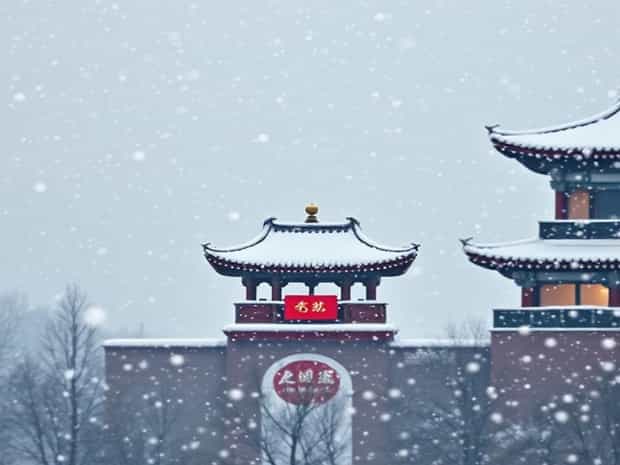
Does It Snow In Beijing
Beijing, the capital city of China, is well known for its rich history, cultural landmarks, and bustling urban life, but many travelers and new residents often wonder about its winter climate. Specifically, questions about whether it snows in Beijing arise frequently. Located in northern China, Beijing experiences a continental monsoon climate with four distinct seasons, including cold, dry winters. Snowfall is a feature of the winter season, although it varies in intensity and frequency. Understanding when and how often snow falls, its impact on daily life, and the best ways to experience Beijing in winter can enhance travel planning and provide insight into the city’s seasonal weather patterns.
Winter Climate in Beijing
Beijing’s winters typically last from late November to early March, characterized by cold temperatures and relatively low humidity. Average daytime temperatures range between 0°C and 5°C, while nighttime temperatures can drop well below freezing. The city experiences dry winds from the north and northwest, which often make the cold feel more intense. Snow is a natural part of Beijing’s winter climate, though it is generally light and sporadic rather than heavy and persistent. Despite this, the snow-covered landscapes of Beijing’s historic sites, parks, and surrounding mountains create a scenic winter atmosphere that attracts photographers and tourists alike.
Frequency and Timing of Snowfall
Snowfall in Beijing is most likely to occur between December and February. January is typically the coldest month, often accompanied by snow showers. However, the total annual snowfall is relatively modest, averaging between 5 to 10 centimeters over the course of a season. While heavy snowstorms are rare, light snow can occur several times during the winter months, coating rooftops, streets, and trees with a thin layer of white. The intermittent nature of snow in Beijing means that residents may see snow in some years more than others, depending on weather patterns and air pressure systems originating from northern China and Mongolia.
Impact on Daily Life
Snowfall in Beijing can affect transportation, commuting, and outdoor activities, although the city is generally well-prepared to handle light snow. Public transportation, including buses and subways, usually continues to operate efficiently, while road crews may apply sand and salt to prevent icy conditions on main streets. Pedestrians are advised to wear warm clothing and sturdy footwear to navigate slippery sidewalks. Snow can also influence daily routines, encouraging residents to spend more time indoors or engage in winter-specific activities such as ice skating and visiting indoor cultural attractions.
Transportation and Safety Considerations
- Light snow rarely disrupts subway services, but minor delays may occur on bus routes.
- Road crews maintain major highways and streets to prevent hazardous driving conditions.
- Pedestrians are advised to exercise caution on icy patches, especially near parks and historic sites.
- Winter driving in Beijing requires prepared vehicles with proper tires and awareness of potential slick surfaces.
Tourism and Winter Activities
Snow in Beijing offers a unique opportunity for tourists to experience the city in a different light. Famous landmarks such as the Forbidden City, Tiananmen Square, and the Great Wall of China appear particularly picturesque when dusted with snow. Winter festivals and ice-skating venues also attract visitors looking to enjoy seasonal activities. Ski resorts and recreational areas outside the city, including those in the nearby mountains, provide options for snow sports and family outings. The winter season, though colder and quieter than summer, can offer a more tranquil and visually stunning experience of Beijing.
Popular Winter Destinations
- Forbidden City – snow-covered roofs create a classic and serene atmosphere.
- Great Wall of China – scenic winter views with fewer tourists.
- Beihai Park and Houhai Lakes – ice skating and frozen water activities.
- Nearby ski resorts – for skiing, snowboarding, and other winter sports.
Weather Patterns Affecting Snowfall
Beijing’s snowfall is influenced by larger climatic systems, including the Siberian High and monsoon patterns. Cold, dry air from Siberia often moves southward, creating the conditions necessary for snow when moisture from the Pacific or local rivers is present. Winter air pressure systems and cold fronts can lead to brief snowfalls, typically lasting a few hours to a day. These patterns explain why snowfall is often unpredictable and light compared to regions at higher latitudes or elevations. Understanding these weather dynamics helps residents and visitors anticipate when snow may occur and how to plan outdoor activities accordingly.
Factors Influencing Snow Intensity
- Proximity to mountains – nearby elevations can receive heavier snow than central Beijing.
- Air humidity – drier air limits the accumulation of snow.
- Temperature fluctuations – sudden warming periods can melt snow quickly.
- Urban heat – city buildings and infrastructure can reduce snow accumulation in some areas.
Experiencing Snow in Beijing
For those seeking to experience snow in Beijing, timing visits during the peak winter months increases the likelihood of encountering snow. Staying informed about weather forecasts and seasonal trends is helpful for planning sightseeing and outdoor activities. Even light snow provides opportunities for photography, cultural immersion, and recreational experiences. Snow in Beijing, while not as heavy as in northern or mountainous regions of China, offers a charming and memorable aspect of the city’s winter season.
Tips for Enjoying Beijing’s Snow
- Dress warmly with layers, gloves, hats, and waterproof footwear.
- Check weather forecasts for expected snowfalls before traveling.
- Visit historic and scenic sites early to enjoy snow-covered landscapes with fewer crowds.
- Engage in seasonal activities such as ice skating, winter festivals, and nearby mountain excursions.
Yes, it does snow in Beijing, primarily during the winter months from December to February. The snowfall is usually light and intermittent, contributing to the city’s cold, dry winter climate. While heavy snowstorms are rare, even modest snow transforms Beijing’s urban and natural landscapes into visually striking scenes. Snow affects daily life, transportation, and tourism, but it also enhances the charm of cultural landmarks and outdoor activities. Whether for sightseeing, recreational activities, or experiencing a different seasonal atmosphere, Beijing’s snow adds a unique dimension to exploring China’s capital during the winter months. Understanding the patterns, timing, and impact of snow in Beijing helps residents, travelers, and businesses prepare effectively and make the most of this seasonal phenomenon.