Does It Snow In Afghanistan
Afghanistan is often pictured as a land of deserts and arid landscapes, but its climate is far more diverse than many people realize. With towering mountain ranges, deep valleys, and high plateaus, the country experiences a wide range of weather patterns. One of the most common questions travelers and curious readers ask is does it snow in Afghanistan? The answer is yes, and in fact, snow plays a vital role in the nation’s environment, agriculture, and daily life during the colder months. Understanding when and where snow falls in Afghanistan helps paint a clearer picture of its unique climate and geography.
Snowfall Across Afghanistan
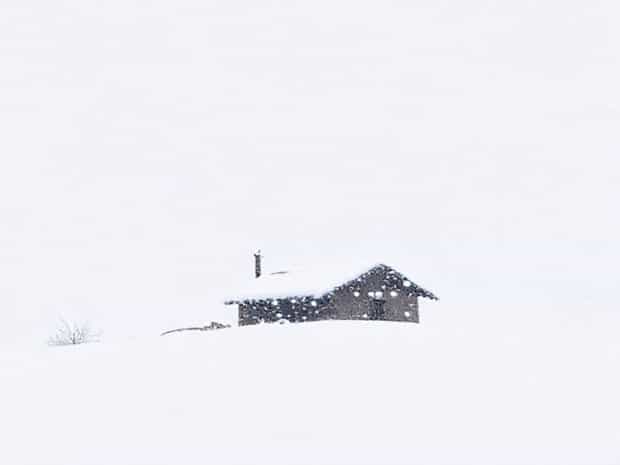
Snowfall in Afghanistan is most common in the winter season, typically from December to March. The amount of snow varies depending on the region. The rugged Hindu Kush mountain range, which stretches across much of the country, receives heavy snow during the winter months. These snow-covered peaks remain white well into the spring and even early summer, creating dramatic views and serving as a crucial water source.
Mountain Regions
The Hindu Kush and other high-altitude areas, such as Bamyan, Badakhshan, and Panjshir, experience some of the heaviest snowfall in Afghanistan. Temperatures often drop below freezing, and snow can accumulate to several feet in the coldest months. In Bamyan, famous for the Bamyan Buddhas, winters are particularly harsh, and snow can last for weeks or even months.
Urban Areas
Kabul, the capital of Afghanistan, also sees snow during the winter season. Although it is not as heavy as in the mountain regions, the city usually gets several snowfalls each year. The sight of snow-covered streets and rooftops is familiar to Kabul residents, and the cold weather shapes daily routines, from heating homes to adjusting transportation.
Southern and Desert Regions
In contrast, southern regions such as Kandahar and Helmand receive very little or no snow at all. These areas are much warmer and drier, reflecting the country’s diverse climate. Instead of snow, winter in the south often brings cold winds and lower temperatures compared to the scorching summers.
Climate Factors That Influence Snow
Afghanistan’s geography plays the biggest role in determining whether a region receives snow. The elevation of the land is the primary factor. Areas above 2,000 meters in elevation are more likely to see regular snowfall, while lowland deserts remain snow-free. The Hindu Kush mountains act as a natural barrier that influences rainfall and snow patterns across the country.
- ElevationHigher elevations have colder temperatures, which makes snowfall more common.
- SeasonSnow typically falls between December and March, though in very high mountains it can start earlier and last longer.
- Regional differencesNorthern and central Afghanistan receive more snow, while the south remains relatively dry.
Snow and Daily Life in Afghanistan
Snow is not just a weather event in Afghanistan; it affects nearly every aspect of life. Villages in mountainous areas can become isolated during heavy snowstorms, as roads become impassable. Families often prepare ahead of time by storing food and fuel before winter arrives. For many Afghans, snow means both challenges and opportunities.
Agriculture and Water Supply
Snowfall is extremely important for agriculture in Afghanistan. When the snow melts in the spring, it provides water for rivers, streams, and irrigation systems. This meltwater sustains crops, helps maintain livestock, and supports the livelihoods of millions of people. Without adequate snowfall in the mountains, drought becomes a serious concern.
Transportation Challenges
Travel during snowy months can be dangerous. Roads connecting rural villages to larger cities are often blocked by snow or ice. This isolation can make it difficult to access healthcare, markets, and schools. In some areas, people rely on animals or even walk through snow-covered paths to reach their destinations.
Traditional Lifestyle Adjustments
Afghan families have developed traditions and practices to adapt to the snowy months. Thick wool clothing, indoor heating from wood or coal stoves, and communal gatherings inside warm homes help people endure the long winters. Snow also influences cultural life, with children often enjoying simple games in the snow, despite the cold.
Snow and Afghanistan’s Natural Beauty
Beyond its practical importance, snow enhances Afghanistan’s natural beauty. Snow-covered mountains, frozen lakes, and frosty valleys create breathtaking landscapes. Bamyan, Band-e Amir, and the Salang Pass are particularly striking in winter. These areas highlight the contrast between Afghanistan’s harsh climate and its remarkable scenery.
Tourism Potential
Though Afghanistan has faced many challenges, its snowy mountains once attracted winter tourism. Skiing, snowboarding, and hiking in Bamyan and other regions used to be popular among adventurous travelers. Snow creates opportunities for eco-tourism and outdoor sports, though security conditions have limited international visits in recent decades.
Does It Snow Everywhere in Afghanistan?
The short answer is no. Snowfall is unevenly distributed across the country. While northern and central regions often experience heavy snow, southern areas may go years without a single snowflake. This uneven pattern highlights the diversity of Afghanistan’s climate and geography.
- Heavy SnowfallHindu Kush, Bamyan, Badakhshan, Panjshir.
- Moderate SnowfallKabul, Mazar-i-Sharif, Herat.
- Little to No SnowKandahar, Helmand, Farah.
Snow’s Role in Afghanistan’s Future
As climate change continues to affect weather patterns, snowfall in Afghanistan has become less predictable. Some years bring heavy snow, while others see unusually dry winters. This inconsistency threatens water supplies, agriculture, and the balance of daily life. Scientists and local communities are paying closer attention to how snow levels may change in the coming decades.
Environmental Concerns
Reduced snowfall can lead to drought, crop failures, and food insecurity. On the other hand, extreme snowfalls can trap families in remote areas and cause avalanches in mountainous regions. Balancing these extremes is a major challenge for Afghanistan’s future.
Adaptation Efforts
Communities are working on ways to adapt to changes in snowfall. This includes better water management systems, stronger infrastructure, and local strategies to prepare for extreme winters. International organizations have also supported projects to improve resilience against changing snow and rainfall patterns.
So, does it snow in Afghanistan? The answer is yes, especially in the mountainous and central regions of the country. Snow is both a challenge and a blessing, shaping agriculture, culture, and daily routines. While southern areas rarely experience snowfall, the snow-covered peaks of the Hindu Kush remain a defining feature of Afghanistan’s geography. Understanding the role of snow in Afghanistan reveals much more than just a weather pattern it highlights how climate, geography, and human life are deeply connected in this unique part of the world.