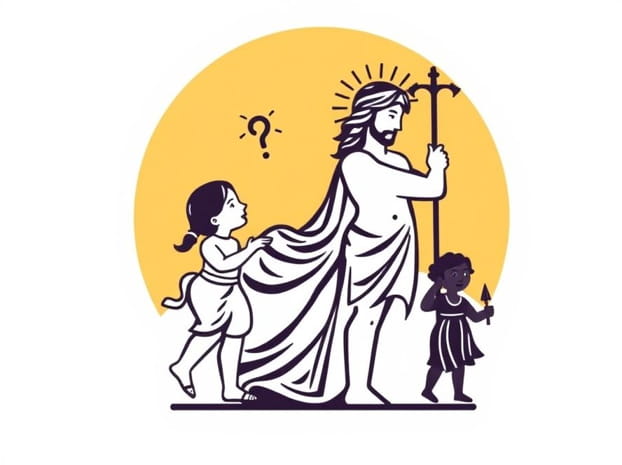
Does Dionysus Have Kids
Dionysus, one of the most fascinating deities in Greek mythology, is widely known as the god of wine, revelry, ecstasy, and theatre. His stories often emphasize freedom, passion, and the duality of joy and madness, capturing the imaginations of ancient worshippers and modern audiences alike. While much is known about his divine exploits, rituals, and interactions with mortals and gods, a question that intrigues many is whether Dionysus had children. Exploring this topic sheds light not only on his personal mythos but also on how his influence extended through family and divine lineages, demonstrating the complex relationships between gods, mortals, and demi-gods in Greek mythology.
Dionysus’ Divine Nature and Relationships
Dionysus was born from an unusual union between Zeus, the king of the gods, and Semele, a mortal woman. His birth story alone is remarkable Semele perished due to the overwhelming presence of Zeus in his divine form, and Dionysus was later sewn into Zeus’ thigh until he was ready to be born, giving him the unique title twice-born. As a god who straddled the worlds of mortality and divinity, Dionysus’ relationships often reflect the complexity and fluidity of his character, encompassing both romantic liaisons and mentorship roles over mortals, followers, and other deities.
Dionysus and His Known Children
Though Dionysus is primarily celebrated for his associations with wine, festivals, and the ecstatic rituals of his followers, mythology does attribute several children to him. Unlike other gods whose lineages are central to the stories of kings and heroes, Dionysus’ offspring often highlight themes of transformation, divine influence, and the continuation of his sphere of power over joy, chaos, and life’s pleasures. Some of the most frequently mentioned children include
- PriapusSometimes considered a son of Dionysus, Priapus is associated with fertility, gardens, and protection of livestock. His myth emphasizes the generative aspects of Dionysus’ nature, linking the god to the growth of life and abundance.
- StaphylusA figure closely connected to viticulture and winemaking, Staphylus represents Dionysus’ influence over the cultivation of grapes and the art of wine, embodying the god’s domain in a very tangible form.
- ThoasIn some traditions, Thoas is named as a son of Dionysus and Ariadne, highlighting the divine and heroic intersections in Greek mythology.
Dionysus and Ariadne
One of the most notable relationships in Dionysus’ mythos is with Ariadne, the daughter of King Minos of Crete. After being abandoned by Theseus on the island of Naxos, Ariadne was rescued by Dionysus, who married her. Together, some myths suggest they had children, whose roles symbolized the divine inheritance of power, creativity, and fertility. These stories portray Dionysus not just as a god of indulgence, but also as a deity capable of commitment and family, extending his influence into the mortal and divine spheres through his progeny.
Variations in Mythology
Greek mythology is not monolithic, and stories about Dionysus and his children vary across sources and regions. Some ancient texts emphasize his parentage and adventures more than his offspring, while others explore his role as a father and cultivator of life and joy. For example, the children associated with Dionysus often reflect his domains, such as fertility, vegetation, and the arts, rather than political or martial power typical of other Olympian lineages. These variations indicate the adaptability of Dionysus’ myths, allowing storytellers to highlight different aspects of his divine character.
Symbolism of Dionysus’ Children
The children attributed to Dionysus often embody symbolic and thematic elements rather than serving purely genealogical purposes. Priapus represents fertility and protection, Staphylus embodies viticulture and joy, and other figures emphasize continuity of Dionysian influence in human life and culture. By examining these children, one can better understand how the ancient Greeks conceptualized the transmission of divine power, favoring influence over rule, and joy over authority. Dionysus’ progeny serve as extensions of his domains, reflecting both the benevolent and chaotic elements of his character.
Cultural and Religious Context
Dionysus’ role as a father figure was reinforced by his cult practices and festivals. In Dionysian rites, followers often celebrated the cycle of life, growth, and renewal, which are closely tied to fertility and lineage. While myths about his children might be less politically significant than those of Zeus or Apollo, they were culturally meaningful, representing the perpetuation of Dionysian blessings and influence. These stories also demonstrate how Greek religion integrated familial concepts into the divine framework, making gods relatable while emphasizing their extraordinary powers.
Dionysus in Literature and Art
Classical literature, including works by Euripides, Homeric hymns, and later Roman sources, occasionally reference Dionysus’ offspring. In art, depictions of Dionysus often include symbolic representations of his children or followers, illustrating themes of fertility, celebration, and divine continuity. These portrayals reinforced the god’s connection to human life, emphasizing how divine lineage could manifest in everyday practices, seasonal cycles, and cultural rituals.
Modern Interpretations
In contemporary discussions of mythology, Dionysus’ children are sometimes interpreted symbolically, representing the spread of his influence rather than literal genealogical lines. Writers and scholars often view Priapus, Staphylus, and others as allegorical figures, embodying the perpetuation of joy, creativity, and the untamed forces of nature. These interpretations highlight how mythology evolves, with ancient stories providing metaphors for universal human experiences, such as growth, celebration, and the challenges of balancing chaos with order.
The Enduring Legacy
The question of whether Dionysus had children underscores the enduring fascination with his character. His children, whether interpreted literally or symbolically, reflect the god’s complex nature and his impact on both mortals and the divine. Through them, Dionysus’ domains of wine, fertility, joy, and transformation continue to influence cultural narratives, artistic expression, and religious thought. Exploring his progeny offers insight into the broader themes of Greek mythology, including the interconnection of gods, the natural world, and human society.
Dionysus is not only a god of revelry and wine but also a figure whose influence extended through his children, both literal and symbolic. Figures such as Priapus, Staphylus, and the possible offspring with Ariadne illustrate the ways in which his power and domains were perpetuated across generations. While myths vary, the central idea remains Dionysus’ legacy, like wine and celebration, is enduring, enriching human life, culture, and imagination. By studying Dionysus and his children, we gain a deeper understanding of how the ancient Greeks conceptualized divinity, influence, and the interwoven nature of pleasure, fertility, and creativity in their world.
Ultimately, the stories surrounding Dionysus’ children highlight not only genealogical connections but also thematic ones, showing how myths serve to transmit values, symbolize natural and human cycles, and celebrate the complexities of life itself.