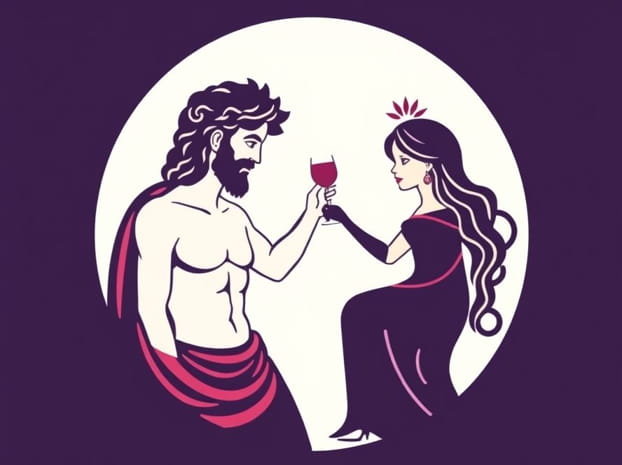
Does Dionysus Have A Wife
Dionysus, the ancient Greek god of wine, revelry, and ecstasy, holds a unique place in mythology due to his complex character and multifaceted relationships. Known for bringing both joy and chaos, he is often depicted with a retinue of followers, including satyrs and maenads, celebrating his gifts of wine, fertility, and freedom from societal constraints. Unlike many other Greek gods whose marital status is clearly defined, Dionysus’ romantic life is filled with ambiguity, multiple lovers, and mythological narratives that vary by region and source. One question that often arises among enthusiasts of Greek mythology is whether Dionysus had a wife, and exploring this topic reveals insights into his myths, his divine relationships, and the cultural significance of his stories.
Dionysus in Greek Mythology
Dionysus is the son of Zeus and Semele, a mortal woman, which makes him a unique figure in Greek mythology as a god with both divine and mortal lineage. His birth is itself extraordinary, as he was born from Zeus’ thigh after Semele perished. This duality of nature – mortal and immortal – reflects in Dionysus’ character, combining compassion with unpredictability, joy with destruction, and civilization with wildness. His myths often emphasize transformation, liberation, and indulgence, leading him to interact with humans, gods, and mortals in a variety of complex relationships.
The Nature of Dionysus’ Relationships
- Dionysus is associated with numerous romantic and sexual relationships, both mortal and divine.
- Unlike Olympian gods such as Zeus or Hades, he does not have a universally recognized single consort in all myths.
- He is closely linked with various female figures who symbolize fertility, nature, and ecstasy, reflecting his role as a god of life cycles and celebration.
- His relationships often symbolize union with nature, divine inspiration, and the liberation of the spirit.
Ariadne The Most Famous Wife of Dionysus
While Dionysus is depicted with multiple lovers, the most widely recognized figure considered his wife is Ariadne, the daughter of King Minos of Crete. According to myth, Ariadne aided the hero Theseus in defeating the Minotaur by providing him with a thread to navigate the labyrinth. After helping Theseus, she was abandoned on the island of Naxos. Dionysus discovered her there and took her as his consort, elevating her to immortality. This union symbolizes a merging of human and divine experiences, as Ariadne transitions from mortal to divine, reflecting Dionysus’ power to transform and redeem.
The Story of Ariadne and Dionysus
- Ariadne helps Theseus defeat the Minotaur and escape the labyrinth.
- After being abandoned by Theseus, she is found by Dionysus on Naxos.
- Dionysus marries Ariadne, granting her immortality and a divine status.
- Their union is celebrated in Greek art and literature, often highlighting love, redemption, and transformation.
- Ariadne becomes a symbol of loyalty, divine favor, and the blessings of Dionysus.
Other Relationships of Dionysus
Although Ariadne is the primary figure considered Dionysus’ wife, mythology also attributes other romantic and sexual relationships to him. These relationships include both mortal women and divine figures, reflecting his connection to fertility, pleasure, and the natural world. Dionysus’ affairs are less about traditional marital bonds and more about symbolic unions that illustrate themes of ecstasy, creativity, and chaos. He is often accompanied by female followers known as maenads, who are devoted to his rites and symbolize the passionate and untamed aspects of his nature.
Notable Figures Associated with Dionysus
- Semele His mortal mother, whose tragic death sets the stage for his divine birth.
- Ariadne Recognized as his wife and immortal companion.
- Maenads Devoted female followers who symbolize wildness and spiritual liberation.
- Various mortals and deities Myths depict other fleeting romantic or sexual encounters with figures like Ampelos, a male lover in some traditions, emphasizing the god’s fluid and inclusive nature.
The Symbolism of Dionysus’ Marital Status
Dionysus’ ambiguous marital status reflects broader themes in Greek mythology regarding divinity, mortality, and human experience. Unlike gods whose marriages serve political or symbolic purposes, Dionysus’ relationships highlight transformation, liberation, and the merging of different realms. His union with Ariadne, in particular, embodies redemption and eternal love, while his other relationships reflect pleasure, creativity, and the breaking of societal norms. The flexibility in his romantic life underscores his role as a god of freedom, unpredictability, and the life force.
Cultural and Religious Significance
- Dionysus’ marriage to Ariadne represents the immortalization of human love and virtue.
- His other relationships symbolize fertility, joy, and the transformative power of ecstasy.
- Religious cults of Dionysus often celebrated ritualistic union, reflecting both spiritual and communal aspects of his worship.
- His ambiguous marital and sexual life illustrates the blending of human and divine experiences, common in Greek mythology.
Modern Interpretations and Representations
In modern literature, art, and scholarship, Dionysus is often explored as a god whose romantic and marital life defies conventional norms. While Ariadne remains the central figure considered his wife, contemporary interpretations emphasize his fluidity in love and sexuality, his association with liberation, and his rejection of rigid structures. Scholars and enthusiasts examine these myths not only for their narrative value but also for insights into ancient Greek perspectives on divinity, human emotion, and social dynamics.
Impact on Literature and Art
- Dionysus and Ariadne’s story appears in classical Greek tragedies, poetry, and vase paintings.
- The god’s amorous and marital relationships are depicted in Renaissance and modern art, highlighting themes of love, ecstasy, and divine intervention.
- Literary interpretations often explore his symbolic marriages as metaphors for spiritual transformation and human aspiration.
While Dionysus is associated with multiple lovers and mythological figures, Ariadne is the most widely recognized and traditionally accepted wife of the god. Their union represents immortality, redemption, and the transformative power of divine love. Other relationships of Dionysus, including fleeting encounters and devout followers, illustrate his connection to ecstasy, fertility, and liberation. Understanding Dionysus’ marital and romantic life offers deeper insights into his role in Greek mythology, highlighting themes of human and divine interaction, freedom, and the power of transformation. Whether considered in ancient myths or modern interpretations, Dionysus’ relationship with Ariadne and other figures remains a testament to his complex, multifaceted nature as a god of wine, revelry, and ultimate liberation.