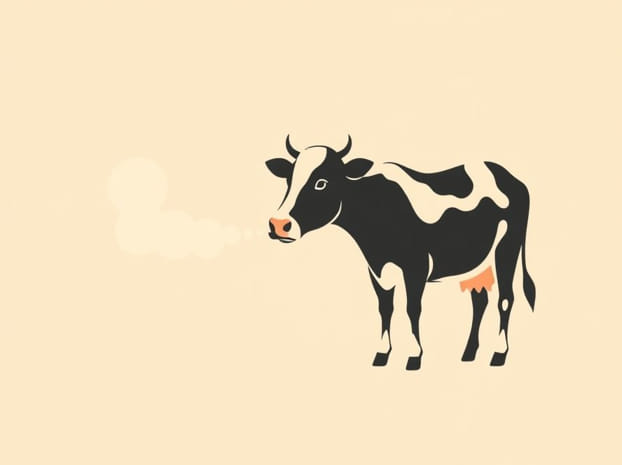
Does Cow Exhale Oxygen
Cows are large, domesticated herbivores that play an important role in agriculture, providing milk, meat, and other byproducts. As living mammals, cows, like humans and other animals, breathe to sustain life. Breathing is a critical biological process that allows oxygen to enter the body and carbon dioxide to be expelled. While plants are often associated with oxygen production, questions sometimes arise about whether animals, including cows, can exhale oxygen. Understanding the respiratory system of cows and the role of oxygen exchange in their bodies clarifies this topic and highlights the differences between plant and animal contributions to atmospheric oxygen.
How Cows Breathe
Cows breathe using a respiratory system similar to that of humans, with lungs playing a central role. Air enters through the nostrils, passes through the trachea, and reaches the lungs, where gas exchange occurs in tiny sacs called alveoli. Oxygen from the inhaled air diffuses into the bloodstream, while carbon dioxide, a waste product of metabolism, diffuses from the blood into the lungs to be exhaled. This process ensures that cells receive oxygen necessary for energy production and removes carbon dioxide to maintain the body’s pH balance.
Oxygen Intake
When cows inhale, oxygen-rich air enters their lungs. Oxygen molecules diffuse across the alveolar membrane and bind to hemoglobin in red blood cells. Hemoglobin then transports oxygen throughout the body, supplying organs, tissues, and muscles. This process is vital for aerobic respiration, which produces energy in the form of ATP for the cow’s bodily functions.
Carbon Dioxide Exhalation
After oxygen is absorbed, carbon dioxide, a byproduct of cellular respiration, is carried back to the lungs via the bloodstream. When the cow exhales, carbon dioxide is released into the environment. Unlike plants, which can produce oxygen through photosynthesis, cows primarily exhale carbon dioxide rather than oxygen. This is a defining feature of animal respiration, distinguishing mammals from photosynthetic organisms in terms of atmospheric gas exchange.
Respiratory Byproducts of Cows
The primary gas exhaled by cows is carbon dioxide, not oxygen. In addition, cows exhale small amounts of water vapor and trace gases. This process contributes to the carbon cycle but does not add oxygen to the atmosphere. Cows rely on plants and other photosynthetic organisms to maintain oxygen levels in the environment. While cows themselves do not produce oxygen through breathing, their activities, such as grazing, indirectly support oxygen production by promoting plant growth and maintaining ecosystems.
Water Vapor and Other Gases
- Water vapor Moisture from the respiratory tract is exhaled along with carbon dioxide, helping regulate the cow’s body temperature.
- Methane Due to fermentation in the cow’s digestive system, small amounts of methane can be exhaled, contributing to greenhouse gas emissions.
- Trace gases Exhaled air contains minimal quantities of nitrogen, oxygen (from residual air), and other trace gases, but not enough to significantly affect atmospheric oxygen levels.
Why Cows Do Not Exhale Oxygen
Oxygen is not a byproduct of animal respiration. The respiratory system of cows, like that of all mammals, is designed to absorb oxygen and remove carbon dioxide. During cellular respiration, oxygen is used to break down glucose into carbon dioxide, water, and energy. This metabolic process consumes oxygen, meaning that the air exhaled by cows has a lower oxygen concentration than the air they inhale. While plants produce oxygen through photosynthesis, animals cannot convert carbon dioxide back into oxygen in their cells. Therefore, cows exhaling oxygen is biologically impossible under normal physiological conditions.
Comparison with Plants
Plants produce oxygen as a byproduct of photosynthesis, where carbon dioxide and water are converted into glucose and oxygen using sunlight. In contrast, cows and other animals consume oxygen and release carbon dioxide. This fundamental difference explains why ecosystems require both plants and animals to maintain balanced oxygen and carbon dioxide levels. Plants replenish the oxygen that animals consume, creating a complementary cycle between respiration and photosynthesis.
The Role of Cows in the Carbon Cycle
While cows do not exhale oxygen, they play a significant role in the carbon cycle. By consuming plants, cows transfer carbon through food chains and release carbon dioxide and methane into the atmosphere. Their digestive process, particularly in ruminants, produces methane during fermentation. Methane is a potent greenhouse gas, making cows a focus of environmental studies related to climate change. Despite not producing oxygen, cows contribute indirectly to the health of ecosystems by influencing plant growth and nutrient cycles.
Grazing and Plant Growth
Cows’ grazing habits can stimulate plant growth by trimming vegetation, dispersing seeds, and returning nutrients to the soil through manure. This indirect support helps maintain healthy plant populations, which in turn produce oxygen through photosynthesis. Therefore, while cows themselves do not release oxygen, their presence in ecosystems indirectly supports oxygen production by plants.
Energy Flow in Ecosystems
Cows are herbivores and occupy a primary consumer role in ecosystems. By eating plants, they transfer energy from producers to higher trophic levels, such as predators or humans. The carbon dioxide they exhale contributes to the nutrient cycles that sustain plant growth. This interdependence ensures that oxygen-producing plants continue to thrive, highlighting the indirect but essential role cows play in maintaining balanced ecosystems.
Myths and Misconceptions
Some myths suggest that cows or other animals might exhale oxygen, possibly due to misunderstandings of plant-animal interactions or symbolic beliefs in oxygen-rich environments near forests or pastures. Scientifically, these claims are inaccurate. All mammals, including cows, consume oxygen and release carbon dioxide. Observations of fresh, oxygen-rich air in natural settings are primarily due to photosynthesis by surrounding plants, not the respiratory activity of animals.
Clarifying Misunderstandings
- Oxygen content in air While the air cows breathe contains oxygen, they do not replenish it; they use it for metabolism.
- Fresh air near pastures Oxygen levels in areas with cows are influenced by plant activity rather than cows exhaling oxygen.
- Animal-plant interactions Cows support oxygen production indirectly by promoting plant health, but they do not produce oxygen themselves.
Cows do not exhale oxygen. Like all mammals, they inhale oxygen and exhale carbon dioxide as a byproduct of cellular respiration. While they play an important role in ecosystems and indirectly support oxygen production by maintaining plant health, their respiratory process does not generate oxygen. Understanding the difference between animal respiration and plant photosynthesis clarifies the role cows play in the environment. Their contribution to the carbon cycle, grazing patterns, and nutrient distribution supports ecosystems, but oxygen production remains the domain of plants and other photosynthetic organisms. Recognizing this distinction helps us appreciate the balance between animals and plants in sustaining life on Earth.