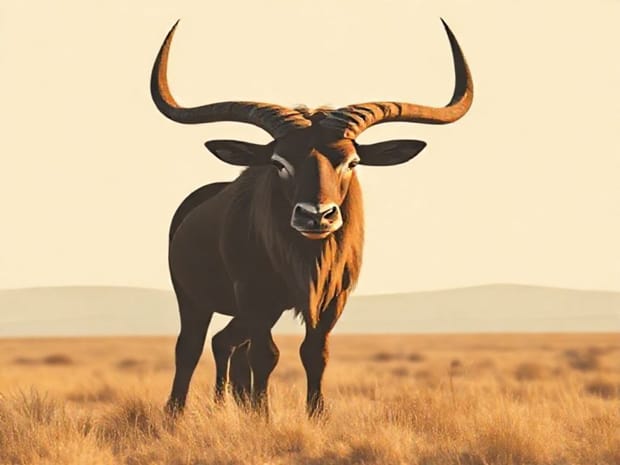
Does A Giant Eland Have Horns
The giant eland is one of the most remarkable antelope species in Africa, known for its impressive size, graceful movements, and distinctive physical features. Among the many questions wildlife enthusiasts and students often ask is whether a giant eland has horns. Understanding the presence and function of these horns provides insight into the animal’s behavior, social structure, and adaptation to its environment. Horns are not merely decorative; they play an essential role in defense, mating rituals, and establishing dominance within herds. Observing these majestic creatures in their natural habitat reveals the significance of their horns in survival and communication.
Physical Characteristics of the Giant Eland
The giant eland (Taurotragus derbianus) is the largest species of antelope, with males weighing up to 1,000 kilograms and females slightly lighter. They have a robust and muscular build, long legs adapted for running and leaping, and a distinct coat pattern that helps with camouflage. Both male and female giant elands exhibit horns, which are a defining characteristic of this species. The horns are long, spiraled, and slightly pointed, giving them a majestic and formidable appearance. These horns are present from a young age, though they grow and develop fully as the animal matures.
Horn Structure and Growth
The horns of giant elands are made of keratin, the same material that forms human hair and nails. They grow continuously throughout the animal’s life, with males generally developing thicker and longer horns than females. On average, male horns can reach lengths of up to 1 meter, while female horns tend to be slightly shorter and more slender. The spiral shape of the horns is not only visually striking but also functional, providing leverage and strength during confrontations with other elands or predators.
Functions of Horns in Giant Elands
Horns serve multiple purposes for giant elands, extending beyond mere decoration. They are essential tools for defense, social interaction, and survival in the wild.
Defense Against Predators
Giant elands face predation from large African carnivores such as lions, leopards, and hyenas. Their horns serve as a formidable weapon when threatened. When cornered or attacked, an eland can use its horns to gore, jab, or fend off predators. The combination of size, strength, and sharp horns makes adult elands difficult targets for most predators, particularly males, whose horn development and body mass provide extra protection.
Social Hierarchy and Mating
Horns also play a crucial role in establishing social hierarchy within herds. Male elands engage in ritualized sparring, using their horns to push and test each other’s strength without causing serious injury. These contests determine dominance and access to females during the mating season. Horns, therefore, are not only practical tools but also symbols of strength, fitness, and reproductive potential. Female elands may also use their horns to assert dominance within smaller social groups or defend their calves.
Communication and Display
In addition to defense and mating, horns can serve as visual signals. The size, shape, and condition of an eland’s horns convey information about age, health, and social status. Younger or weaker individuals may avoid confrontation with dominant males based on the visual impression of horn size alone. This indirect form of communication helps reduce unnecessary fights, conserving energy and reducing the risk of injury.
Comparing Male and Female Horns
Both sexes of giant elands possess horns, but there are noticeable differences between males and females. Male horns are generally thicker, longer, and more robust, reflecting their role in dominance contests and protection against predators. Female horns, while shorter and more delicate, are still fully functional for defense and social interactions. These sexual dimorphisms highlight the different pressures faced by males and females in the wild, with males needing to compete more aggressively for mates and territory.
Juvenile Horn Development
Young elands are born without fully developed horns. Calves begin to grow horn buds within the first few weeks of life. As they age, the horns elongate and spiral, gradually reaching adult dimensions over several years. During this growth period, young elands rely more on agility, herd protection, and camouflage for survival rather than their developing horns.
Ecological Significance of Horns
The horns of giant elands are not only essential for individual survival but also contribute to the broader ecosystem. By participating in sparring and displays, elands help regulate social structures within herds, which influences grazing patterns and movement across the landscape. These movements affect plant distribution, seed dispersal, and predator-prey dynamics, demonstrating the interconnectedness of horn function and ecological balance.
Horns in Conservation and Wildlife Management
Understanding the significance of eland horns is important for conservation efforts. In some regions, elands face threats from habitat loss, hunting, and human-wildlife conflict. Conservation programs often monitor horn growth and condition as indicators of health, genetic diversity, and population stability. Protecting individuals with mature horns ensures that strong genetic lines continue, maintaining the resilience of wild populations.
Interesting Facts About Giant Eland Horns
- Both males and females possess horns, a rarity among some large antelope species.
- Horns can grow up to 1 meter in males and slightly shorter in females.
- Spiral horns provide leverage and reduce the risk of breakage during sparring.
- Horn size is a visual indicator of age, strength, and social dominance.
- Young elands grow horn buds soon after birth, reaching full development in adulthood.
- Horns serve defensive, reproductive, and communicative functions simultaneously.
Yes, the giant eland does have horns, and these horns are a defining feature of the species. Present in both males and females, horns are long, spiraled, and highly functional, serving multiple purposes such as defense against predators, establishing dominance, facilitating mating, and communicating social status. From juvenile development to adult maturity, the horns are central to the eland’s survival and interaction within its ecosystem. Understanding the role of horns enhances our appreciation of this majestic antelope and emphasizes the importance of conserving their populations and natural habitats, ensuring that future generations can witness the impressive presence of the giant eland in Africa’s wild landscapes.