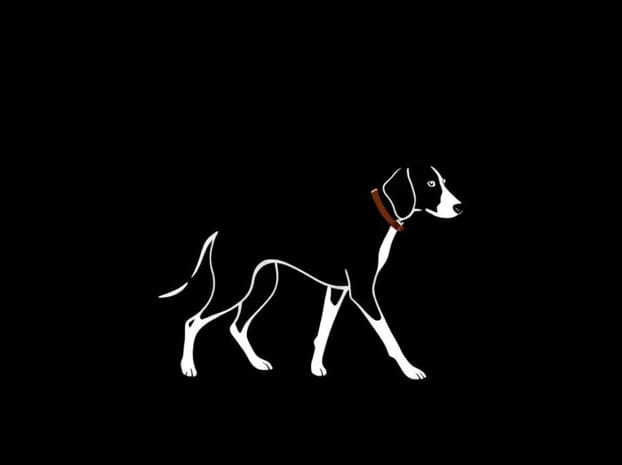
Do Treeing Walker Coonhounds Have Webbed Feet
Treeing Walker Coonhounds are renowned for their exceptional hunting abilities, loyalty, and energetic personalities. These dogs are highly prized by hunters for their tracking and treeing skills, especially when it comes to raccoons and other small game. Among dog enthusiasts and hunters alike, there is often curiosity about their physical traits, particularly their feet, and whether these dogs possess webbed feet that would aid in swimming or navigating wet terrain. Understanding the anatomy and capabilities of the Treeing Walker Coonhound can help owners, hunters, and potential adopters better appreciate the breed and its suitability for different environments and activities.
Overview of the Treeing Walker Coonhound
The Treeing Walker Coonhound is a breed developed in the United States, known for its speed, agility, and excellent sense of smell. They are medium to large-sized dogs with a sleek, muscular build, designed for endurance and stamina during hunting expeditions. Their coat is typically short, dense, and smooth, which helps them navigate through thick brush and rough terrain without getting tangled. The breed is a descendant of the English and American Foxhounds, combining traits from both to create a versatile hunting companion.
Physical Characteristics Relevant to Feet
The feet of a Treeing Walker Coonhound are an important aspect of their overall functionality. Their paws are generally strong and compact, with well-arched toes and thick pads. This structure allows them to traverse a variety of terrains, from muddy fields to rocky hills, providing both traction and protection. Hunters often rely on this breed’s sure-footedness, especially when tracking animals over uneven or slippery surfaces.
Do Treeing Walker Coonhounds Have Webbed Feet?
Webbed feet are a trait found in some dog breeds, typically those that are adept swimmers or have a history of working in aquatic environments. Breeds such as the Labrador Retriever, Newfoundland, and Portuguese Water Dog have webbing between their toes that aids in paddling and swimming. However, Treeing Walker Coonhounds are primarily land-based hunters, focused on scent tracking and treeing rather than swimming. While they are capable swimmers if necessary, they do not have fully developed webbed feet. Instead, their paws are designed more for agility, traction, and endurance on solid ground rather than propulsion in water.
Advantages of Non-Webbed Feet in Hunting
The lack of webbing is not a disadvantage for the Treeing Walker Coonhound in their intended role. Their non-webbed, strong paws provide several benefits for hunters
- Improved TractionTheir paws grip soil, rocks, and forest debris effectively, allowing them to maintain speed and balance.
- AgilityThe arched toes and compact structure help in navigating sharp turns and sudden changes in direction while tracking prey.
- DurabilityThick pads protect their feet from rough terrain, thorns, and other hazards encountered during hunting expeditions.
- EnduranceNon-webbed feet reduce water resistance while running over land, allowing for prolonged periods of activity without fatigue.
Swimming Ability in Treeing Walker Coonhounds
Although webbing enhances swimming efficiency, Treeing Walker Coonhounds can still swim when required. Their athletic build and muscular legs allow them to propel themselves in water for short distances. Many hunters have observed these dogs crossing streams or small rivers while following scent trails. However, water is not their primary environment, and they are not specialized aquatic dogs. The swimming ability is functional and incidental rather than a defining characteristic of the breed.
Care and Maintenance of Their Paws
Maintaining healthy paws is crucial for Treeing Walker Coonhounds, given the extensive activity they often undertake. Regular inspection for injuries, cuts, or debris can prevent complications. Some tips for paw care include
- Trimming nails to prevent overgrowth that could affect movement.
- Cleaning paws after outdoor activities to remove mud, sticks, and burrs.
- Checking for signs of irritation or infection, particularly in the pads and between toes.
- Applying protective balms or paw wax during extreme weather conditions to prevent cracking.
Comparisons With Other Hunting Breeds
When comparing the Treeing Walker Coonhound to other hunting breeds, the absence of webbed feet highlights the specialization of their paws for land-based hunting. Breeds such as the Labrador Retriever or Chesapeake Bay Retriever, which are often used for waterfowl hunting, benefit from webbed feet that enhance swimming efficiency. In contrast, the Treeing Walker Coonhound’s feet are optimized for endurance, traction, and agility in forests, fields, and rugged terrain rather than aquatic environments. This distinction emphasizes how evolutionary traits and breeding practices have shaped the physical characteristics of different hunting breeds to suit their specific purposes.
Behavioral Implications
Physical traits such as paw structure influence more than just mobility; they affect overall behavior and hunting style. The Treeing Walker Coonhound’s non-webbed feet allow them to sprint, climb, and pivot quickly while following a scent trail. Their behavioral tendencies, including persistence, focus, and intelligence, are complemented by their physical capabilities. A dog with webbed feet might excel in water retrieval but could lack the quick maneuverability needed for treeing or ground tracking in dense woodland environments.
Treeing Walker Coonhounds do not have webbed feet, as their breeding and purpose have focused on land-based hunting rather than swimming. Their paws are strong, compact, and well-arched, providing excellent traction, agility, and endurance for navigating rough terrain while tracking and treeing game. While they can swim if necessary, it is not their primary skill. Proper care of their paws ensures they remain healthy and functional, allowing these dogs to perform at their best in hunting activities. Understanding these physical traits helps prospective owners and hunters appreciate the breed’s unique capabilities and suitability for various outdoor adventures, highlighting why the Treeing Walker Coonhound remains a favored choice for avid hunters and outdoor enthusiasts alike.