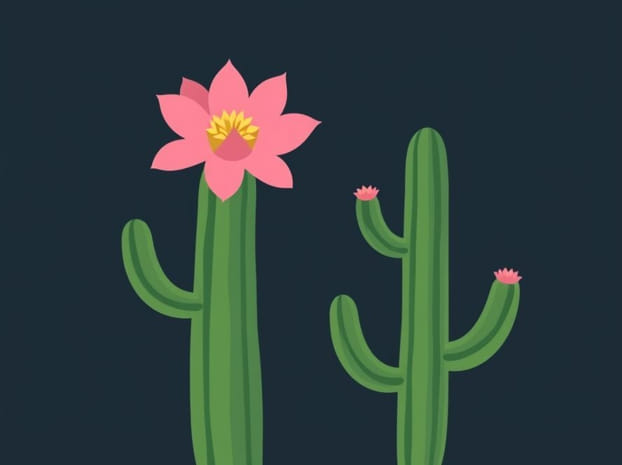
Do Saguaro Cactus Bloom
The saguaro cactus is an iconic symbol of the American Southwest, often seen towering over the desert landscape with its distinctive arms reaching skyward. Known scientifically as Carnegiea gigantea, this majestic cactus is not only remarkable for its size and longevity but also for its unique flowering process. Many people who encounter saguaros in the wild often wonder whether these desert giants bloom and, if so, what conditions are necessary for their flowers to appear. Understanding the blooming cycle of the saguaro cactus provides fascinating insight into desert ecology and the intricate relationships between plants and the pollinators that sustain them.
The Lifecycle of the Saguaro Cactus
The saguaro cactus has a slow but steady growth pattern. It can take anywhere from 10 to 30 years for a young saguaro to develop its first arm. Similarly, it often requires decades before it reaches the stage where blooming is possible. Typically, a saguaro begins to produce flowers once it reaches about 35 years of age, though this can vary depending on environmental conditions such as rainfall, temperature, and soil quality.
Environmental Factors Affecting Blooming
The ability of a saguaro cactus to bloom is closely tied to the desert environment in which it grows. Several key factors influence the timing and success of flowering
- TemperatureSaguaros thrive in regions where daytime temperatures are high but nights are cool, which supports their overall growth and energy accumulation.
- RainfallAdequate rainfall in the spring encourages flower development, as water is crucial for the cactus to produce the resources needed for blooms.
- Age and SizeLarger and older saguaros are more likely to bloom, as they have stored enough nutrients and energy reserves over the years.
- SunlightSaguaros require full sun exposure to develop flowers, as sunlight stimulates the biochemical processes necessary for flowering.
Characteristics of Saguaro Flowers
When a saguaro cactus blooms, it produces striking, creamy-white flowers with a subtle fragrance that attracts a variety of pollinators. Each flower typically opens at night and remains open until the following afternoon, creating a brief but critical window for pollination. The flowers are large, measuring around 3 inches in diameter, and grow at the tips of the cactus arms as well as the main trunk.
Pollinators and Flowering Season
The blooming period of saguaro flowers generally occurs between late April and early June. During this time, the flowers attract a wide array of pollinators, including bats, bees, and birds. Bats are particularly important for nocturnal pollination, visiting flowers after sunset and transferring pollen as they feed. Diurnal pollinators, such as bees and hummingbirds, continue the process during the day. This symbiotic relationship ensures that the flowers produce seeds for future generations of saguaros.
Reproduction Through Blooming
The primary purpose of saguaro flowers is reproduction. Once pollinated, the flowers give way to fruit, which is typically red, fleshy, and filled with seeds. These fruits provide essential nourishment for desert wildlife, including birds, mammals, and insects. In turn, animals help disperse the seeds throughout the desert, enabling saguaros to propagate across suitable habitats. This cycle highlights the critical role that blooming plays in the survival and expansion of the species.
Challenges to Flowering
Despite their resilience, saguaros face several challenges that can impact their ability to bloom. Environmental stressors such as prolonged drought, extreme temperatures, and habitat loss can reduce flowering frequency. Additionally, diseases and pests can weaken the cactus and inhibit flower production. Conservation efforts in regions like the Sonoran Desert aim to protect saguaros and their blooming cycles, preserving these natural landmarks for future generations.
Observing Saguaro Blooms
For nature enthusiasts, witnessing a saguaro in bloom is a rare and captivating experience. Blooming usually occurs in dense clusters of cacti within national parks and desert reserves. Observers should note that each saguaro may produce flowers for only a few weeks each year, making timing critical for those who wish to photograph or study these events. The fleeting beauty of saguaro blooms emphasizes the delicate balance of desert ecosystems.
Tips for Identifying Flowering Saguaros
- Look for saguaros that are at least 35 years old and have multiple arms.
- Visit during the blooming season from late April to early June.
- Observe in areas with recent rainfall, as hydration encourages flower production.
- Pay attention to desert wildlife activity, as birds and bats often frequent blooming saguaros.
Significance of Saguaro Blooming
Beyond their aesthetic appeal, saguaro blooms play an essential role in desert ecology. The flowers support pollinators and wildlife, contribute to the dispersal of seeds, and sustain the lifecycle of this iconic cactus species. For humans, the blooming saguaro symbolizes the resilience and beauty of the desert environment, inspiring conservation awareness and appreciation for natural habitats.
Conservation and Education
Educational programs and protected desert areas help raise awareness about the importance of preserving saguaros and their flowering cycles. By understanding how saguaros bloom and interact with their environment, people can contribute to conservation efforts that ensure these cacti continue to thrive. Promoting sustainable tourism and responsible observation practices also helps protect the delicate balance of the desert ecosystem.
In summary, the saguaro cactus does indeed bloom, but this remarkable event is the result of decades of growth and the right environmental conditions. Blooming typically begins when the cactus reaches around 35 years of age, with flowers appearing in late spring and attracting a range of nocturnal and diurnal pollinators. These flowers are essential for reproduction, supporting both the cactus and the desert wildlife that depend on it. Observing a saguaro in bloom offers a unique glimpse into the complex interplay of life in the desert, highlighting the resilience, beauty, and ecological importance of these towering plants. By appreciating and protecting these natural wonders, we help ensure that future generations can enjoy the sight of saguaro cacti flowering against the vast, sun-drenched desert landscape.