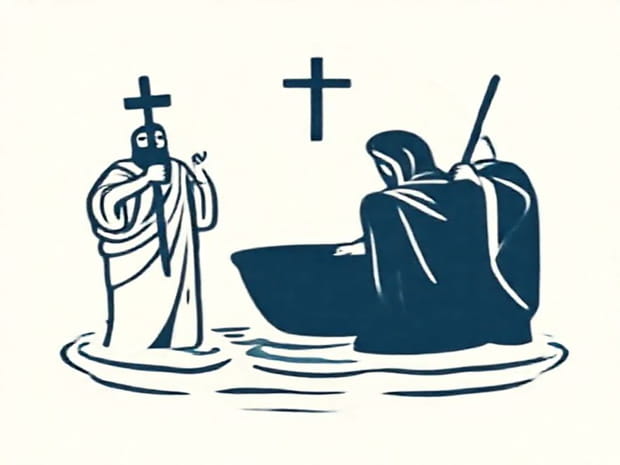
Do Protestants Get Baptized
Baptism is one of the most significant practices in Christianity, symbolizing a believer’s faith, repentance, and entrance into the community of Christ. Among Protestant denominations, baptism holds an important place as an outward expression of inward faith. The practice varies among different Protestant traditions, but it consistently serves as a public declaration of a personal relationship with Jesus Christ. Understanding whether Protestants get baptized requires exploring historical context, theological principles, methods, and the spiritual significance attached to the sacrament.
The Meaning of Baptism in Protestantism
For Protestants, baptism is a symbolic act representing spiritual cleansing, identification with Christ’s death and resurrection, and membership in the body of believers. Unlike some traditions that view baptism as a sacrament necessary for salvation, most Protestant denominations consider it a testimony of faith rather than a requirement for receiving God’s grace. The emphasis is on personal belief, repentance, and commitment to follow Jesus.
Faith and Repentance
Protestant theology emphasizes that baptism should follow an individual’s personal profession of faith. It is not typically performed on infants unless the denomination practices infant baptism, such as some Lutheran and Reformed churches. The act of baptism reflects repentance from sin and a conscious decision to live according to Christ’s teachings. This connection between faith and baptism underscores the belief that salvation comes through faith, with baptism serving as a public affirmation of that faith.
Different Protestant Views on Baptism
Within Protestantism, views on baptism differ, and understanding these variations helps clarify how Protestants approach the practice
- LutheransBelieve in infant baptism, considering it a means of grace and inclusion in the covenant community, though personal faith remains essential later in life.
- Reformed/PresbyteriansAlso practice infant baptism, emphasizing God’s covenant promises and the spiritual nurturing of the child within the church.
- BaptistsPractice believer’s baptism, requiring a personal profession of faith before baptism, typically by full immersion.
- Methodists and PentecostalsPractice both infant and believer’s baptism depending on the tradition, with an emphasis on the transformative work of the Holy Spirit.
Baptism as a Symbolic Act
In Protestantism, baptism is largely symbolic. It represents dying to the old life of sin and rising to new life in Christ. Water is used as an outward sign of this inward spiritual reality. The symbolism of immersion, pouring, or sprinkling varies among denominations but consistently points to spiritual renewal, cleansing, and identification with Jesus Christ. Protestant theology emphasizes that baptism, while important, does not save an individual; rather, faith in Christ alone brings salvation.
The Biblical Basis for Protestant Baptism
Protestant practices are grounded in biblical teachings. Several passages highlight the importance of baptism
- Matthew 2819Jesus commands His disciples to baptize in the name of the Father, Son, and Holy Spirit.
- Acts 238Peter links baptism with repentance and forgiveness of sins, emphasizing personal faith.
- Romans 63-4Paul describes baptism as participation in the death and resurrection of Christ, symbolizing new life in Him.
- Galatians 327Baptism is seen as putting on Christ, indicating unity with Him and membership in the body of believers.
Infant vs. Believer’s Baptism
The debate between infant baptism (paedobaptism) and believer’s baptism (credobaptism) reflects theological and historical differences among Protestants. Infant baptism stresses covenant inclusion and the nurturing of faith from an early age. Believer’s baptism focuses on personal decision, spiritual awareness, and conscious commitment. Both practices are rooted in Scripture and tradition, with each emphasizing faith and the transformative work of God.
The Method of Protestant Baptism
Protestant denominations vary in how they administer baptism. The most common methods include immersion, pouring, and sprinkling. Each method symbolizes the same spiritual reality
- ImmersionRepresents full identification with Christ’s death, burial, and resurrection.
- PouringSymbolizes the pouring out of the Holy Spirit and spiritual cleansing.
- SprinklingOften used in infant baptism, symbolizing purification and inclusion in the covenant community.
The choice of method often reflects theological emphasis rather than spiritual efficacy, highlighting the symbolic nature of baptism in Protestant thought.
Spiritual Significance of Baptism
Baptism in Protestantism is more than a ritual; it is a moment of spiritual significance and public witness. It demonstrates obedience to Christ, an acknowledgment of God’s saving grace, and a visible testimony of faith to the community. It fosters a sense of belonging, accountability, and identity within the body of believers. While views on timing and method may differ, the spiritual essence of baptism remains central across Protestant denominations.
Baptism and Christian Life
Receiving baptism encourages a lifelong commitment to spiritual growth, discipleship, and service. It marks the beginning of a journey of faith, encouraging the believer to live in accordance with Christ’s teachings. Baptism is often accompanied by prayer, teaching, and support from the church community, emphasizing the communal and covenantal aspects of Christian life. It is both a personal milestone and a shared experience of faith.
Contemporary Practices and Considerations
Today, Protestant churches continue to practice baptism with attention to faith, commitment, and community. Some congregations offer baptism classes, mentorship, and support to ensure that individuals understand the significance of the sacrament. Churches may also celebrate baptism as part of worship services, emphasizing both personal faith and corporate affirmation. The practice remains a central expression of Christian identity, unity, and devotion.
Protestants do indeed get baptized, though practices vary across denominations regarding age, method, and theological emphasis. Baptism symbolizes repentance, faith, spiritual renewal, and identification with Jesus Christ, serving as both a personal and communal declaration of commitment. Whether through infant baptism or believer’s baptism, the act remains a vital expression of Protestant faith, rooted in biblical teaching and historical tradition. Understanding Protestant baptism highlights the centrality of faith, obedience, and spiritual transformation in the Christian journey, providing insight into how believers publicly affirm their relationship with Christ and participate in the life of the church.