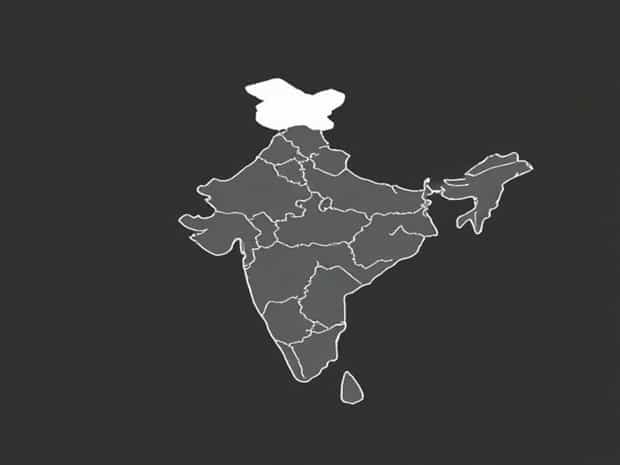
Distribution Of Manganese In India
Manganese is one of the essential industrial minerals in India, playing a critical role in steel production, battery manufacturing, and various chemical processes. The distribution of manganese across India is highly uneven, concentrated in specific regions that are geologically favorable for its formation. Understanding the geographical spread, mining locations, and industrial significance of manganese is vital for economic planning, resource management, and industrial development. India holds a significant share of the world’s manganese reserves, making it a key player in global manganese supply. The mineral occurs in various forms, including pyrolusite, psilomelane, and rhodochrosite, and its distribution is influenced by geological formations, tectonic activity, and historical mining trends.
Geographical Distribution of Manganese in India
The distribution of manganese in India is predominantly in the central and southern parts of the country. The mineral is mainly found in the states of Madhya Pradesh, Maharashtra, Odisha, Karnataka, and Jharkhand. These regions have specific geological formations known as the Dharwar and Cuddapah rock systems, which are rich in manganese-bearing ores. The concentration of manganese in these areas supports large-scale mining operations and contributes significantly to India’s overall production.
Madhya Pradesh
Madhya Pradesh is one of the leading producers of manganese in India. The Balaghat district is particularly rich in manganese deposits, with high-grade ore suitable for metallurgical and chemical uses. The ores here are primarily found in sedimentary formations, making extraction relatively efficient. Mining operations in Madhya Pradesh contribute to both domestic consumption and export, making the state a key player in India’s manganese industry.
Maharashtra
Maharashtra, especially in the Nagpur region, hosts significant manganese reserves. The manganese here is often associated with iron ore formations, providing a dual benefit for mining companies. The high-quality ore from Maharashtra is used in steel production, alloy manufacturing, and chemical industries. Infrastructure and accessibility in this region make it a favorable area for both large and small-scale mining operations.
Odisha
Odisha has emerged as a crucial manganese-producing state in India, with major deposits in districts like Sundergarh and Mayurbhanj. The manganese ores here are primarily of metallurgical grade, supporting the state’s steel plants and metallurgical industries. Odisha’s manganese mining sector benefits from proximity to major ports, which facilitates both domestic distribution and international export. The combination of high-grade ores and logistical advantages makes Odisha an important contributor to India’s manganese industry.
Karnataka
Karnataka’s manganese deposits are mainly concentrated in the Bellary, Chitradurga, and Tumkur regions. The ores in these areas are often high in purity and suitable for various industrial applications, particularly in steel and alloy production. The geological formations of Karnataka, including the Dharwar schists, provide ideal conditions for manganese accumulation. Mining in Karnataka supports both local industries and contributes to the national supply chain.
Jharkhand
Jharkhand is another state with significant manganese resources, particularly in the Singhbhum district. The ores here are often of lower grade compared to other states, but they still play a vital role in supporting metallurgical and chemical industries. Jharkhand’s manganese deposits are part of a larger mineral-rich belt, which includes iron ore and other strategic minerals, making the state a critical hub for mining activities.
Types of Manganese Ores in India
The types of manganese ores found in India vary depending on the geological formation and location. The primary forms include
- PyrolusiteA high-grade manganese dioxide ore commonly used in steel production.
- PsilomelaneA mixture of manganese oxides, suitable for chemical applications and battery production.
- RhodochrositeManganese carbonate, often processed for metallurgical and industrial purposes.
- BrauniteA silicate mineral containing manganese, found in specific regions like Karnataka and Maharashtra.
Economic and Industrial Significance
Manganese is indispensable for industrial development in India. It is primarily used in steel production to improve hardness, durability, and corrosion resistance. Additionally, manganese is essential for producing aluminum alloys, dry-cell batteries, chemicals, and fertilizers. India’s manganese reserves not only support domestic industries but also contribute to the global supply chain. With growing demand from steel and battery industries, efficient exploitation of manganese deposits is vital for sustaining economic growth and technological development.
Steel and Alloy Production
The steel industry is the largest consumer of manganese in India. Manganese enhances the strength, toughness, and wear resistance of steel, making it crucial for construction, infrastructure, and manufacturing sectors. Alloy production also relies on manganese for its deoxidizing and desulfurizing properties, which improve the quality of various metal products.
Chemical Industry
Manganese is used extensively in the chemical industry for producing manganese salts, fertilizers, and pigments. The chemical sector benefits from high-purity ores found in states like Odisha, Maharashtra, and Karnataka. These applications support agriculture, manufacturing, and domestic consumption of chemical products.
Battery Production
With the rise of battery-powered devices and electric vehicles, manganese has gained significance in the production of dry-cell batteries and lithium-ion batteries. High-grade manganese dioxide from India is used as a cathode material in batteries, contributing to technological advancements and energy storage solutions.
Challenges in Manganese Mining
Despite abundant reserves, manganese mining in India faces several challenges. Environmental concerns, including deforestation, water pollution, and habitat disruption, require careful management. Regulatory compliance, land acquisition issues, and fluctuating global prices also impact mining operations. Moreover, certain manganese deposits are located in remote or geologically difficult areas, increasing extraction costs and logistical challenges.
Environmental Management
- Proper waste disposal to prevent soil and water contamination.
- Reclamation of mined areas to restore ecological balance.
- Monitoring air quality to reduce pollution from dust and machinery.
- Adoption of sustainable mining practices to minimize environmental impact.
Logistical and Economic Challenges
- Transportation of ores from remote mines to processing plants.
- Price volatility in global manganese markets affecting profitability.
- Infrastructure limitations in certain mining regions.
- Balancing industrial demand with sustainable resource management.
Future Prospects
The future of manganese mining and distribution in India looks promising, driven by increasing demand from steel, battery, and chemical industries. Technological advancements in mining, ore processing, and environmental management are expected to improve efficiency and reduce ecological impact. Strategic exploration in underdeveloped regions may uncover new deposits, further strengthening India’s position as a leading manganese producer. Additionally, integration with renewable energy and electric vehicle initiatives will increase the importance of manganese, particularly high-grade manganese dioxide, for battery manufacturing.
Strategic Importance
- Supports national industrial growth and infrastructure development.
- Contributes to global supply chains for steel and battery production.
- Enhances technological capabilities through high-purity manganese applications.
- Encourages sustainable resource management and exploration initiatives.
The distribution of manganese in India is concentrated in a few key states, including Madhya Pradesh, Maharashtra, Odisha, Karnataka, and Jharkhand, each with unique geological formations and ore types. The mineral’s economic significance spans steel production, chemical manufacturing, and battery technology, making it a vital component of India’s industrial landscape. While challenges exist in terms of environmental management, logistics, and global market dynamics, the potential for growth and sustainable exploitation remains high. Understanding the geographic distribution, ore types, and industrial applications of manganese highlights its crucial role in India’s economic development and strategic resource planning. With proper management, India’s manganese reserves will continue to support both domestic industries and global markets for decades to come.